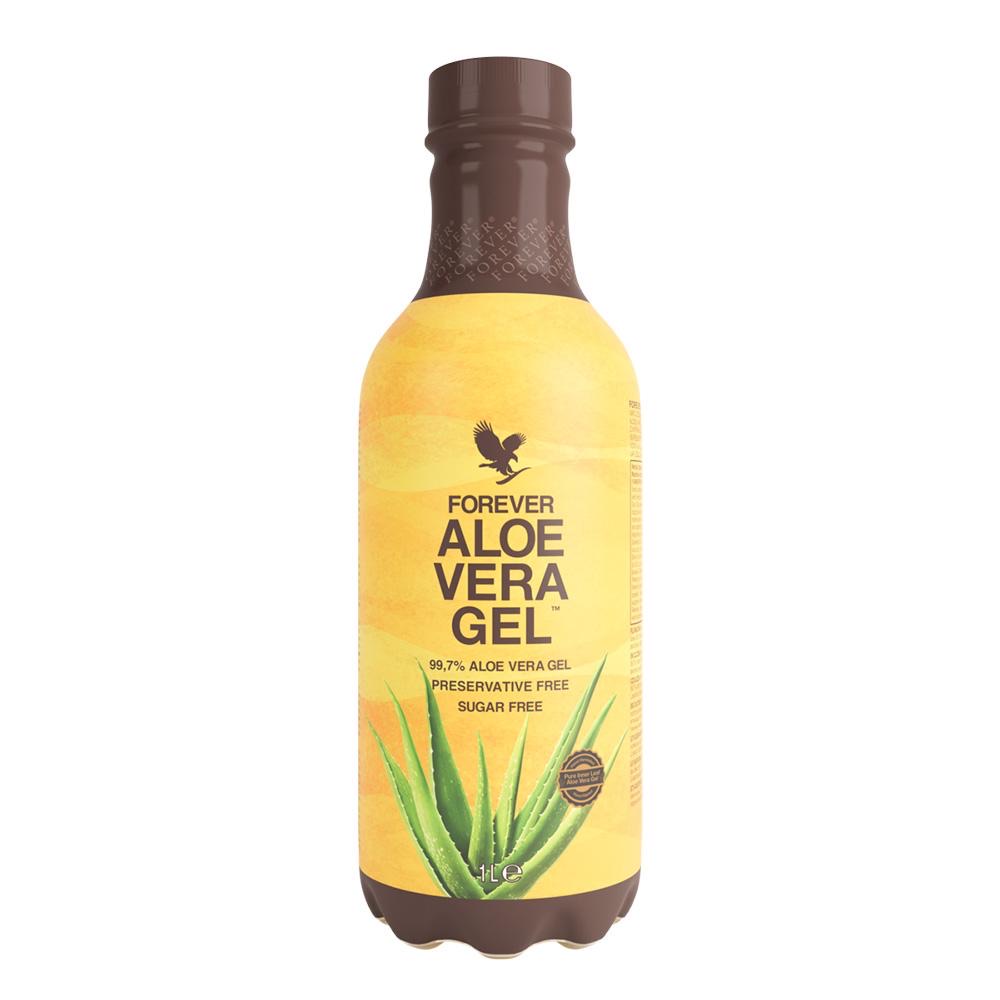
Aloe products may carry the name Aloe barbadensis. Kew lists it as a synonym of Aloe vera. This identifies a plant name, rather than separately proving that a particular pack is better quality or more medicinal than another.
A plant is not a finished formula
A leaf has different parts, and processing changes what enters a product. Inner gel, latex and whole leaf are different ingredients. Research on a molecule isolated from a plant does not establish the effect of a drink containing a different amount.
Read the label in four steps
- Find the intended use: drink, dietary supplement or cosmetic.
- Read the complete ingredients rather than the highlighted aloe name alone.
- Use the nutrition panel for vitamins, minerals and energy. Do not assign every substance ever found in the plant to the product.
- Check the serving and warnings for your own market.
You can compare Forever Aloe Vera Gel as a finished inner leaf gel drink using the ingredients on its local label. A real pack with visible ingredients and directions is useful, rather than an unverified claim about hundreds of active substances.
We do not use the botanical name to prove blood cleansing, tumour treatment, antiviral protection or replacement for pain medicine. If interested in growing the plant, check identity separately from food use. With medication or symptoms, discuss drink suitability with a health professional before adding a new product.
Sources: Royal Botanic Gardens Kew NCCIH Forever Living.
Common questions
Does a Latin name prove medicinal benefit?
No. It identifies the plant rather than providing clinical product evidence.
Does the drink contain every vitamin mentioned in aloe articles?
That must not be assumed. Check quantities in its own label.
Before first use
Choose products for your dietary routine and care needs. Follow a healthcare professional’s advice for diagnosis and treatment of symptoms. Check suitability first during pregnancy and for use by children.