In this guide
One symptom does not identify a deficiency
Sodium, potassium and chloride contribute to fluid balance and nerve and muscle function. Tiredness or cramp alone cannot show which mineral is low. Too little and too much can both cause problems. With kidney or heart disease, or medicines that affect electrolytes, do not independently add potassium or very salty mixtures.
Separate daily routines from illness
For an ordinary day, consider regular meals, water and actual fluid losses. Prolonged sweating, vomiting or diarrhoea needs a different assessment. Seek medical help for serious symptoms, palpitations, confusion or inability to keep fluids down. Replacement depends on the findings and cause, not a drink name.
Compare a drink accurately
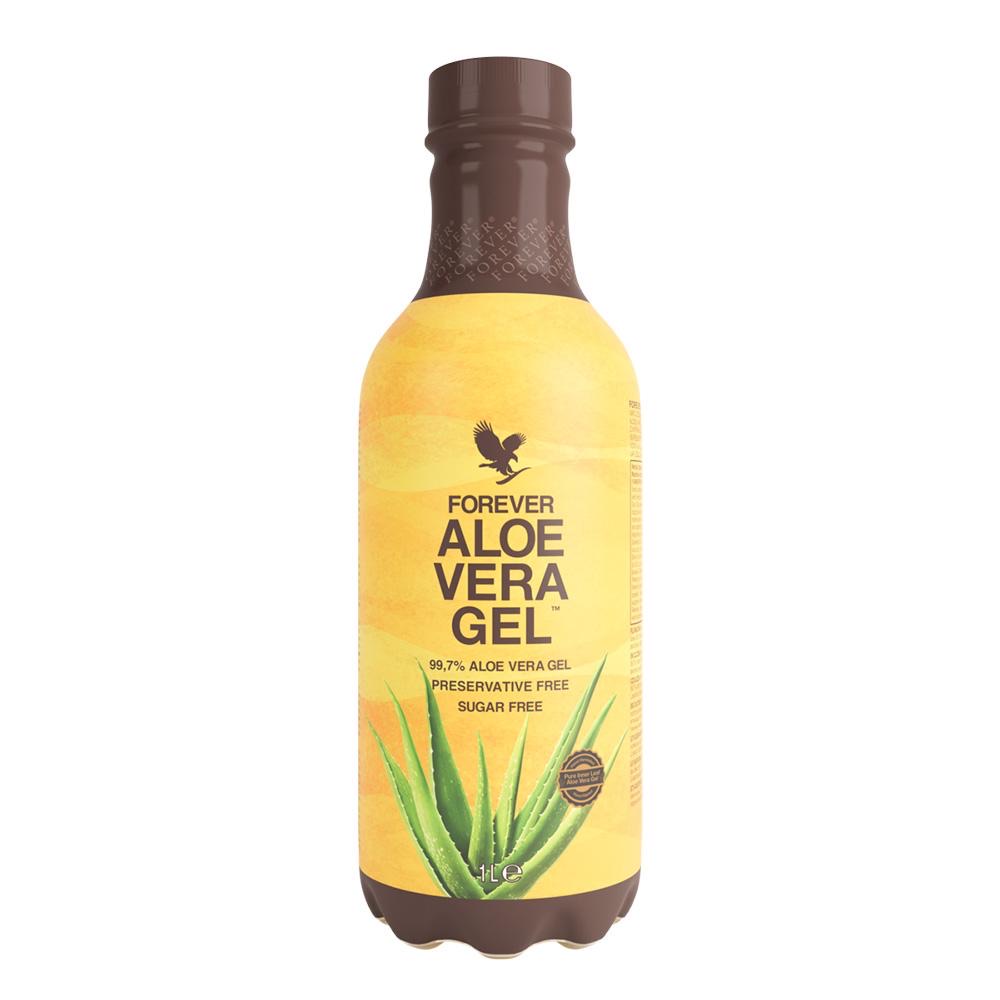
You can compare Forever Aloe Vera Gel as an oral drink by ingredients and taste, but not as an electrolyte replacement solution. Check sugars, serving size and declared minerals separately. Aloe does not replace a prescribed oral rehydration solution. Before a professional consultation, record the duration of exercise or illness and the medicines you take.
An ordinary working day does not require calculating every milligram of electrolytes. Repeated watery stools or being unable to keep fluids down are different circumstances. Describe their duration and your urination to a health professional and ask whether an oral rehydration solution is appropriate. If recommended, mix it with exactly the stated water quantity without adding honey, aloe or extra salt.
Sources: MedlinePlus Forever Living.
Common questions
Does every cramp need an electrolyte supplement?
No. Causes vary and assessment depends on the circumstances.
Can aloe replace a rehydration solution?
No. It must not be presented as prescribed electrolyte replacement.
Before first use
Choose products for your dietary routine and care needs. Follow a healthcare professional’s advice for diagnosis and treatment of symptoms. Check suitability first during pregnancy and for use by children.