The key points from this article
- Foot cream with urea and aloe vera is often the first rescue for dry, cracked heels.
- Maybe right now you're sitting on the couch taking off your socks with a slight sense of shame.
- For a personal choice, continue with a recommendation after reading.
Products most closely related to this topic
If you want to compare concrete options after reading, these products are the closest match to the article topic.
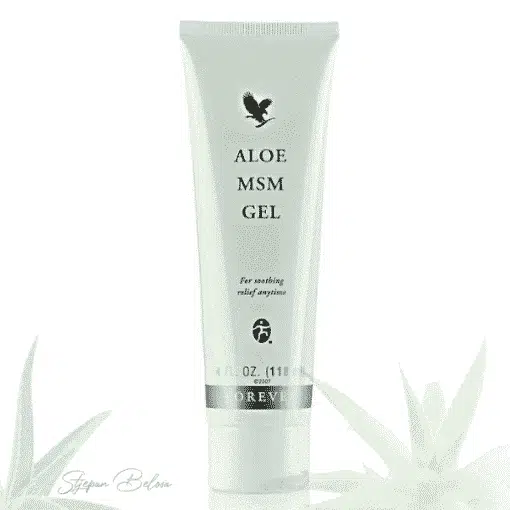 Aloe MSM Gel
A practical outer-care product when the goal is skin comfort and a simpler care routine.
Closest to a care routine for skin, hair or everyday personal care. Forever Bee Propolis
Natural daily support when you want a bee-derived or botanical product for energy and resilience.
A good comparison if you want natural daily support and a calmer ritual. Aloe Blossom Herbal Tea
A caffeine-free herbal tea for a calmer daily ritual, hot or cold.
A good comparison if you want natural daily support and a calmer ritual.Foot cream with urea and aloe vera: how to adapt the care to your skin type
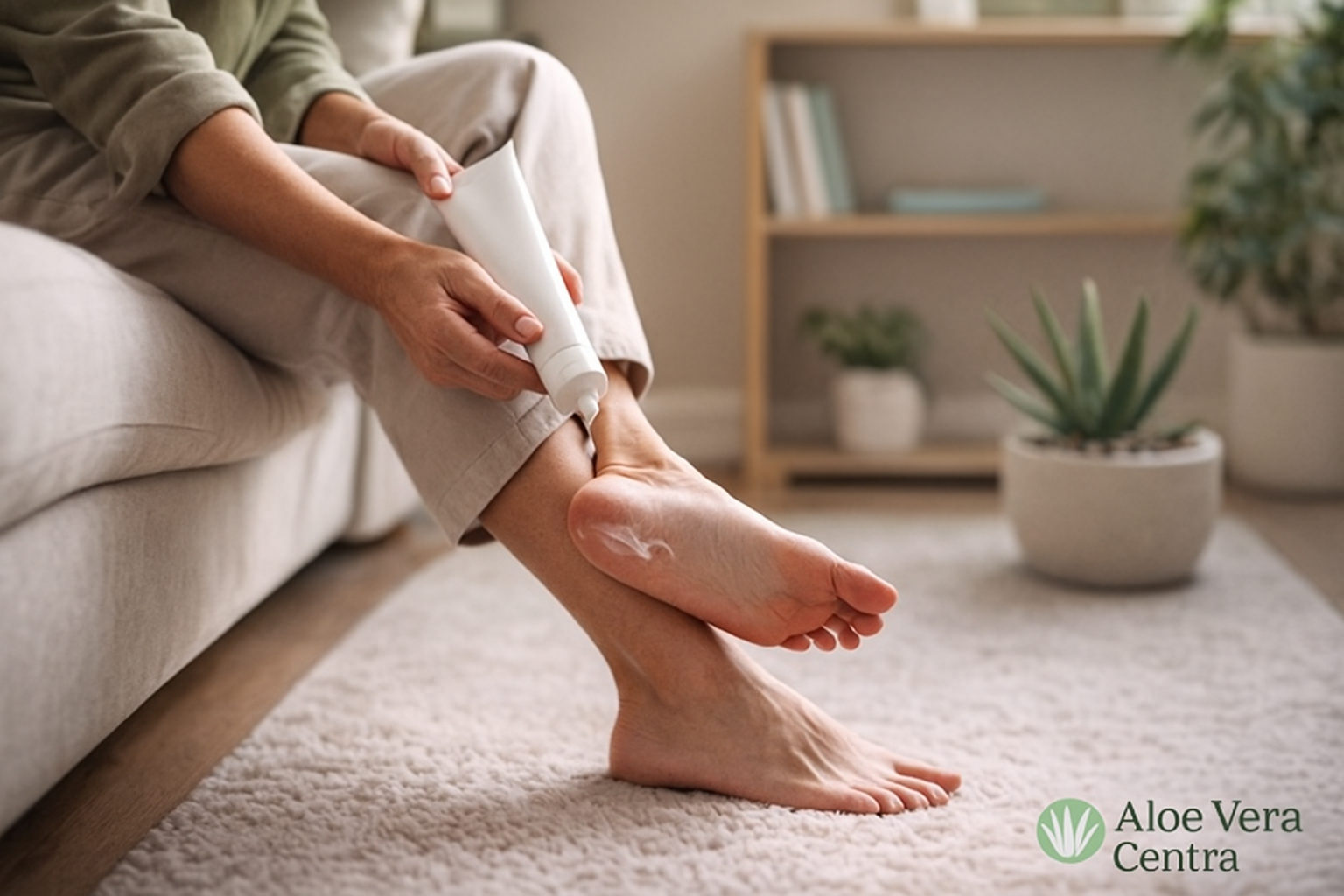
Foot cream with urea and aloe vera is often the first rescue for dry, cracked heels. Maybe right now you're sitting on the couch taking off your socks with a slight sense of shame. Cracks, thickened skin and unpleasant odor often remind us how much we neglect our feet. The good news is that the condition can be greatly improved with a clever combination of urea and aloe.
In this guide, we'll go through how urea works on thickened skin, why aloe soothes and hydrates, and how to adapt everything to your skin type. You will also see a practical routine that you can implement starting tonight. It doesn't matter if you have"concrete"heels or just mild dryness, it's important to find your formula that's really sustainable for you.
Why urea and aloe vera are the ideal duo for feet
Urea is a natural component of our skin that attracts and retains water. In higher concentrations, it also helps in mild peeling of thickened skin. Dermatological examinations show that urea simultaneously hydrates, softens thickenings and strengthens the skin barrier, which is perfect for dry heels and calluses, especially according to detailedexamination of urea in dermatology.
In addition to attracting moisture, urea can also have a keratolytic effect, which means it helps remove dead cells. With stronger thickening on the heels, this is a big advantage. According to onearticle on the use of urea in skin lotions, urea is also used for very dry, rough areas such as elbows and soles, precisely because of this double effect.
Aloe vera, on the other hand, brings a soothing and moisturizing effect. Aloe gel contains water, polysaccharides and antioxidants that help calm redness and irritation. According to onearticle about aloe vera in skin care, aloe can support the healing of surface damage and contribute to a softer, more elastic skin feel.
When you combine urea and aloe in one foot cream, you get a combination that"eats"thickening and fills the skin with moisture. Urea does deeper work on the stratum corneum, while aloe calms, cools and stimulates regeneration. This is precisely why many experience the feeling of"new feet"already after a few weeks of a consistent routine.
How to choose the concentration of urea according to the condition of the skin of the feet
Very dry, thickened and cracked skin
If your heels are thickened, rough and visibly cracked, look for creams with a higher percentage of urea. These are usually formulations with between 20 and 30 percent. They strongly soften hard skin and help dead cells fall off more easily with a light file or heel stone.
Takve kreme primjenjuju se najčešće navečer, na čista i potpuno suha stopala. Tanko ih nanesite na pete i područja zadebljanja, zatim obujte pamučne čarape. Važno je ne pretjerivati s količinom i uvijek pratiti reakciju kože. If persistent burning occurs, reduce the frequency or switch to a lower concentration.
Moderately dry skin and prevention
If you do not have deep cracks, but you are constantly accompanied by dry parts, slight peeling and a feeling of tightness, a cream with a lower percentage of urea is sufficient. Here we are talking about a range of 5 to 10 percent. Takva krema prvenstveno hidrira i održava kožnu barijeru stabilnom, dok blago pomaže uklanjanje viška suhog sloja.
Za većinu ljudi najbolja je kombinacija jedne jače kreme za ciljanu uporabu i lakše, svakodnevne kreme. The routines described in the article are also a good additionfoot cream with aloe, gdje se naglasak stavlja na redovitost, a ne savršenstvo.
Sensitive skin and special conditions
Ako imate dijabetes, periferne neuropatije, kroničnu vensku insuficijenciju ili autoimune bolesti, pristup mora biti posebno pažljiv. Kod ovih stanja osjet boli i pritiska može biti promijenjen. To znači da koža može biti oštećena, a da to ne osjetite odmah.
U takvim slučajevima često se preporučuju niže koncentracije uree i kraće faze testiranja. Start with a small area and observe the skin for a few days. Ako primijetite jače crvenilo, krvarenje ili znakove infekcije, potrebno je savjetovanje s liječnikom ili dermatologom prije nastavka njege.
Step by step routine with urea and aloe vera
Step 1: Gentle cleansing without drying
The first step is always cleaning. Hot water and aggressive soaps additionally remove the protective layer of lipids from the skin. Za svakodnevno pranje stopala birajte blage preparate na bazi aloe. Odlična opcija je blagi tekući sapun poput proizvodaAloe Liquid Soap, which cleans and at the same time helps retain moisture in the skin.
Step 2: Soaking and mechanical removal of excess thickening
Jednom do dva puta tjedno napravite kratku kupku za stopala u mlakoj vodi. You can add some sea salt or herbal tea for extra relaxation. Nakon 10 do 15 minuta koža će biti mekša, pa laganim kamenčićem ili turpijom uklonite samo površinski sloj zadebljanja.
Važno je ne strugati agresivno, jer pretjerano uklanjanje može potaknuti još brže stvaranje zadebljanja. Cilj je postepeno smanjenje, a ne “savršena” peta u jednom danu. Nakon toga dobro osušite i između prstiju, jer vlaga u tim područjima pogoduje gljivicama.
Step 3: Urea to soften, aloe to calm
After cleaning and, if necessary, light filing, the key part comes - the urea cream. Apply a thin layer of cream with a higher percentage of urea on the hardest areas, and a cream with a milder concentration on the rest of the foot. Then you can apply a layer of richer aloe cream over everything, which locks in moisture and soothes any redness.
For evening care, many people like to use a nourishing cream with aloe and propolis, because it creates a protective film and helps the skin overnight. A cream-like product is often chosen hereAloe Propolis Cream, which can be an excellent final layer on dry heels.
Step 4: Additional care for tired muscles and joints
If you spend most of the day standing or walking a lot, it's not just your skin that's the problem. Tired calf muscles and foot joints need extra support. After the foot cream is absorbed, you can gently massage your calves and ankles with a gel with MSM and aloe, such asAloe MSM Gel.
Such a gel usually gives a slight feeling of cooling and relaxation, which is ideal before going to bed. This routine helps not only the appearance of the skin, but also the feeling of lightness in the legs. It is especially useful for people who stand a lot at work or do sports with loads on their feet.
How to adapt foot care to your skin type
Dry skin type
If your skin is generally dry, your feet are probably more prone to cracking and tightening. For this type, a routine with richer, nourishing textures and slightly fatter creams is ideal. Urea in medium concentrations in combination with aloe vera provides an excellent balance of softening and hydration.
For additional inspiration, you can read the article aboutantioxidant properties of aloe, because antioxidants additionally protect dry skin from external influences. Dry skin especially likes regular care, so it's better to apply smaller amounts every day than a lot of product once a week.
Mixed skin type
Some people have dry heels and the rest of the foot is normal or even slightly moist. In that case, there is no need to smear everything with the same cream. Apply a stronger urea cream to the heels and areas of horizontal stress, and a lighter aloe moisturizing cream to the middle of the feet and toes.
Sensitive and reactive skin
The sensitive skin of the feet can react with redness and burning even to mild formulations. In this case, start with a very low percentage of urea and a higher proportion of aloe gel base. Always do a small test on a limited area before regular application.
If you are prone to superficial sores, scratches and slow healing, see the article on the topichealing of superficial wounds. There you will get a broader picture of the safe use of aloe and other natural preparations for damaged skin.
Seasonal adjustments: summer, winter and days on your feet
In winter, we often hide our feet in boots and warm socks. The air is dry, and the skin is further dried by heating. During this period, increase the frequency of nourishing evening care and, if necessary, add a thin layer of oil over the cream. Urea and aloe then work best if used regularly, at least a few times a week.
In summer, the feet are exposed to the sun, sand and open shoes. Then make sure that the cream with urea is not used immediately before going out in the sun if it contains potentially irritating additives. For additional protection of the skin from the sun on the exposed parts of the feet, a special protective cream with aloe, such as the preparation, can helpAloe Sunscreen.
If you often suffer from a feeling of heaviness in your legs, it is good to combine foot cream with simple habits. Elevating your legs on a pillow, short ankle-mobility exercises, and hot-cold showers can make a difference. You will find more advice on this topic in the articleNatural relief of heavy leg syndrome.
The most common mistakes when using foot cream with urea
The most common mistake is improper dosing. People often overdo it and apply a thick layer, thinking that they will get results faster. Urea in too high a concentration and too much can cause irritation, especially in sensitive skin or open cracks.
Another common mistake is impatience. The skin of the feet may have been thickening for years, so expecting a complete turnaround in a few days is unrealistic. It is better to set a goal of four to six weeks and monitor the progress. If there is no visible improvement within this period, it makes sense to consult a dermatologist.
A third mistake is to ignore signs of more serious problems, such as skin discoloration, severe burning, bleeding, or unpleasant, persistent pain. In these situations, foot cream is only additional support, but by no means the only solution. Sometimes there is a fungal infection, diabetic foot, or other medical problem that requires professional evaluation.
When to seek personalized advice
You may be wondering how to know if you have chosen the right combination of products, concentration and routine. If you are confused by the ingredients, instructions and various tips from the Internet, you can make the process easier for yourself. One possibility is to use oursAI advisors, which can suggest a personalized product plan based on your habits and goals.
In addition to digital assistance, it is useful to periodically photograph the heels and feet before and after a few weeks of care. In this way, you will monitor the result more objectively and will not rely only on the impression. If you notice improvement, continue the routine. If the condition worsens, get a professional opinion.
Frequently asked questions
How often should I use urea and aloe vera foot cream?
For most people, once a day in the evening is enough, increasing to twice a day for very dry heels. Continuity and monitoring of the skin reaction is important. If you notice more redness or burning, reduce the frequency.
Can I use urea cream if I have cracks that bleed?
In the case of fresh, bloody cracks, it is better to stabilize the condition first and, if necessary, consult a doctor. Urea in high concentrations can increase the burning sensation. Then he usually starts with milder care and protective creams until the skin calms down.
Can foot cream with urea also help with thickening of the toes
You can, but be careful. The skin on the toes is thinner and more sensitive than the heel. Therefore, it is good to use lower concentrations of urea and avoid aggressive filing. If thickening is caused by footwear, it is important to solve the cause.
How to combine foot cream with other foot care products
You can combine the foot cream with mild detergents and soothing muscle gels. An example is a combination of urea and aloe with a gel for muscle relaxation or light herbal teas for soaking. It is important not to use too many active preparations at once, so that you can monitor what really helps you.
Bottom line: a small ritual for big relief
Foot care is often only necessary when a problem arises. However, regular application of foot cream with urea and aloe vera can prevent cracked heels, uncomfortable tightness and visible thickening. Urea softens and reduces dry layers, while aloe soothes, hydrates and gives the feet a pleasant, fresh feeling.
Pay special attention to signs of more serious problems, such as deep cracks, skin discoloration or severe pain. In these cases, the foot cream is a support, but not a substitute for a medical examination. When you combine quality products, realistic expectations and a little discipline, your feet can become your silent ally rather than a source of discomfort.
For more inspiration on how modern technology and artificial intelligence are used to build a global online business, read the article"How this couple is building a global business with AI and working 95% online".
Note: This article serves as general educational content and is not a substitute for the advice of a physician or other health professional. If you have chronic diseases, diabetes, serious wounds, severe pain or other worrisome symptoms, be sure to consult a doctor or dermatologist before starting a new foot care routine.
Products most closely related to this topic
If you want to compare concrete options after reading, these products are the closest match to the article topic.
Aloe MSM GelA practical outer-care product when the goal is skin comfort and a simpler care routine.
Closest to a care routine for skin, hair or everyday personal care.Forever Bee PropolisNatural daily support when you want a bee-derived or botanical product for energy and resilience.
A good comparison if you want natural daily support and a calmer ritual.Aloe Blossom Herbal TeaA caffeine-free herbal tea for a calmer daily ritual, hot or cold.
A good comparison if you want natural daily support and a calmer ritual.Short answers that help
If you are still comparing options, these are the points worth checking before you continue.
What should I take from this article?
Use it to understand the topic in practical terms and compare it with your current routine, needs and next step.
When does it make sense to ask for a recommendation?
Ask when the topic feels relevant, but you are not sure which Forever Living Products product or routine fits you best.
Does this article replace professional advice?
Foot cream with urea and aloe vera is educational content. For medical conditions, medication, pregnancy or persistent symptoms, include qualified professional advice.
Describe what you want to achieve
If you do not know which product to choose, write your goal, habits or doubts and get a more concrete suggestion.
Recommended products


Related articles to keep exploring