The key points from this article
- Split ends are a silent problem that is only seen at the end of the month.
- The next day the ends look dry and messy.
- For a personal choice, continue with a recommendation after reading.
Products most closely related to this topic
If you want to compare concrete options after reading, these products are the closest match to the article topic.
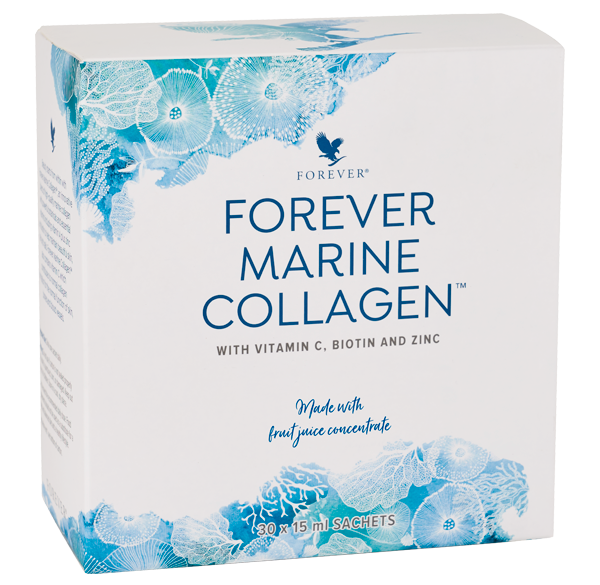 Forever Marine Collagen
A good fit when the goal is a routine for skin, hair, nails or joint-support habits.
Closest to a care routine for skin, hair or everyday personal care.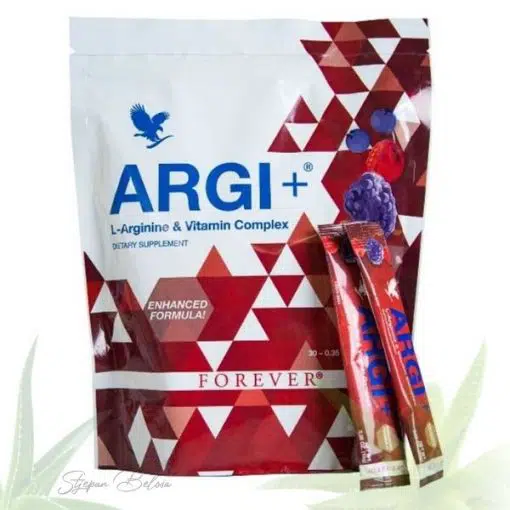 Forever Argi+
A supplement for energy, heart and circulation routines when you want longer-term daily support.
Useful to compare when you are looking for energy, focus or vitality support.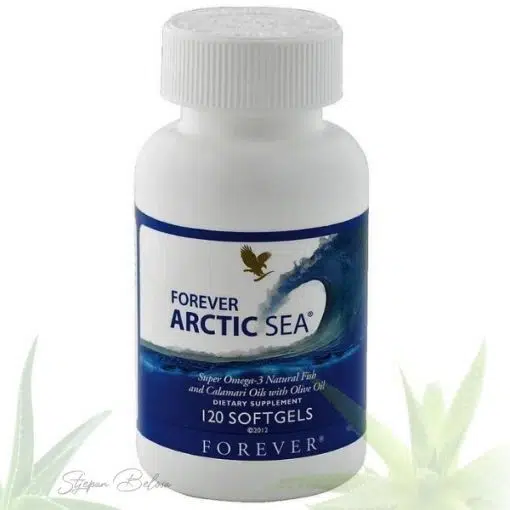 Arctic Sea Omega
A supplement for energy, heart and circulation routines when you want longer-term daily support.
Useful to compare when you are looking for energy, focus or vitality support.How to prevent split ends: the most common mistakes and how to avoid them?
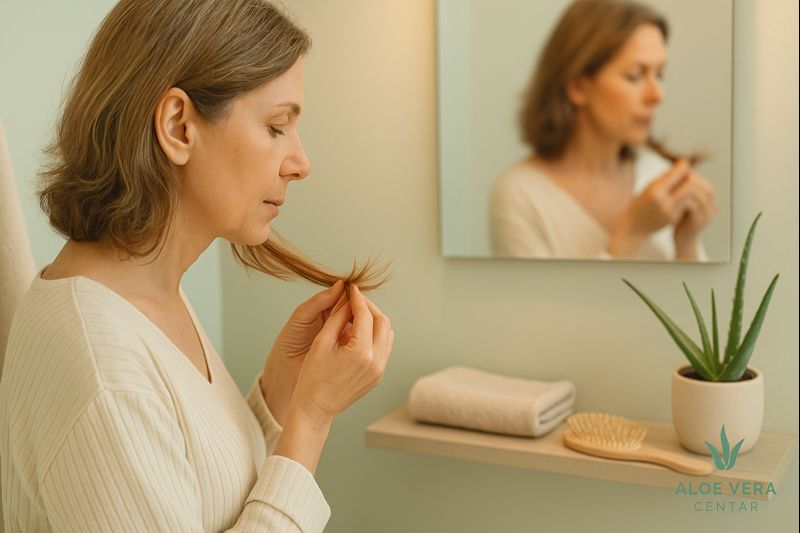
Split ends are a silent problem that is only seen at the end of the month. One day the hair looks normal. The next day the ends look dry and messy.
You may be wondering why this is happening to you. You are not the only one. Split ends are the most common sign that the routine has a few hidden pitfalls.
You will get clear steps in this guide. You will learn to recognize mistakes. You will also receive a plan that you can apply immediately.
The good news is that the change is visible quickly. After two washes, the tips can be calmer. After four weeks, there are usually fewer short hairs.
Maybe your hair doesn't seem to be growing. The tops are popping week after week. That's why the length remains the same. When you change it, the hair looks fuller.
What is tip breakage and how to recognize it
Split ends mean that the hair breaks or splits at the very end. Sometimes it breaks along its length. The result is shorter hair and a"fluffy"look.
The classic"blooming"of the tips often looks like a small fork. The hair splits into two or more strands. This is called trichoptilosis.
Here's the thing: there is no magic glue for damaged hair. You can smooth it temporarily. But the permanent solution is prevention and cutting the damaged part.
If you want a deeper read, check it outreview of papers on PubMed about trichoptilosis and"split ends". There you will find professional terms and a description of hair damage. The text is technical but useful.
Why tips crack: three levels of damage
The first level is mechanical friction. It's combing, rubbing with a towel and sleeping on rough fabric. The ends suffer the most because they are the oldest part of the hair.
The second level is heat and chemistry. Iron, figaro and hairdryer at high temperature are frequent culprits. Dyeing and bleaching additionally open the cuticle.
The third level is dryness and porosity. Hair loses water and lipids. Then it becomes brittle and cracks easily.
For additional scientific abstracts, openPubMed search on heat styling hair damage. You will see how the heat changes the surface of the hair. This explains why the peaks become rough.
Quick test at home: dryness or breakage
Take one strand and gently pull it. If it cracks without stretching, the problem is brittleness. If it stretches and returns, the elasticity is better.
See the peaks in daylight. Look for white dots and short"hairs"along the length. These are micro-fractures.
Touch the tips with your fingers. If they are rough and"stuck", the cuticle is raised. This often means more care and less friction.
The most common mistakes that break tips
1) Washing on autopilot and aggressive scrubbing
Shampoo is for the scalp, not the ends. When you rub the length, you create friction. The tips then thin out and crack faster.
The solution is simple. Wash your scalp and let the foam slide down the length. Treat tops like a delicate fabric.
2) Handling wet hair without a plan
Wet hair is more sensitive to stretching. Then it breaks more easily. The biggest mistake is rough combing immediately after washing.
Instead, squeeze out the water with a towel without rubbing. Then use a wide-toothed comb. Go from the tops up.
3) Heat without protection and without limits
Hair dryer and iron are not enemies, if you have the rules. The problem arises when the temperature is too high. Repetition every day is also a problem.
Set a boundary. Dry from a greater distance. Use the iron less often, and at a lower temperature.
Want more details on mechanical damage? Take a lookPubMed search on friction, brushing and cuticle damage. That's a good starting point. You will also find papers on the influence of combs.
4) Too narrow rubber bands and hairstyles that"cut"the hair
A rubber band without protection works like a small saw. Especially if you wear it in the same place. The tips suffer indirectly, because the hair breaks along its length.
Choose softer rubbers. Change the position of the tail. Give your hair a break from tightening.
5)"Repair"with oils without water and without conditioning
Oils can add shine. But they do not return the water to the hair. If you put oil on dry hair, it often just seals the dryness.
First you need water and a moisturizing layer. Only then a little oil, as a final layer. Thus, the tips remain more elastic.
6) Too little haircut, so too much mask at once
Some wait six months without a haircut. The damaged tip then just spreads. The mask can smooth, but it does not restore the lost material.
Schedule a mini-haircut every eight to twelve weeks. This removes the part that is already splitting. The rest of the routine then"holds"better.
7) Sleeping without friction protection
You sleep eight hours, and your hair"works"all night. Friction against the pillowcase creates knots. Knots break when combing in the morning.
The solution is a light braid or a loose tail. A smooth pillowcase also helps. It is important to reduce friction.
A Routine That Protects Your Ends: 7 Steps That Work
Now we come to practice. These steps are simple. And most importantly, they can become a habit.
Step 1: Wash the scalp, not the length
Apply shampoo to the scalp and back of the neck. Massage with your fingers, without nails. Leave the length alone.
If you want a soft start, try itAloe Jojoba Shampoo. Use a small amount. Two short washes are often better than one aggressive one.
Step 2: Conditioner is mandatory on the length
Conditioner restores smoothness. This reduces friction when combing. The tips then tear less.
Apply to the lengthAloe Jojoba Conditioner. Leave for two to three minutes. Then rinse with lukewarm water.
Step 3: Keep the towel soft
Do not rub. Squeeze your hair with a towel as if you were wringing a T-shirt. Make every movement slow.
If you can, use a cotton t-shirt instead of a rough towel. The difference is seen in the nodes. Fewer knots means less breakage.
Step 4: Combing has an order
First, separate your hair into two to four sections. Comb each section from the ends upwards. That way you don't"pull"the knot through the hair.
Slow down and listen to your hair. If it gets stuck, stop. Add a little water or leave-in conditioner.
Step 5: Heat with measure
Blow drying can be gentle. Keep the hair dryer at a medium temperature. Direct the air down the hair, not against the cuticle.
Leave the iron for special days. The goal is to reduce the total"dose"of heat. The tops will thank you.
Step 6: Weekly"spa"for the tips
Make a mask once a week. The focus is on the ends and mid-length. You don't have to stress the scalp.
If you like natural tricks, read oncastor oil masks. You'll get ideas and alerts. This helps to avoid overdoing it.
Step 7: Final"closing"of the cuticle
Warm water at the end of washing is a good start. Some also like a mild acid rinse. It can give more shine.
For an idea of rinsing seealoe vera and apple cider vinegar. Follow the ratios and be careful. Excessive acidity can irritate the skin.
Mini protocols that save hair in real life
After the sea, pool or sun
Salt and chlorine are drying. UV rays additionally damage the surface. The tops become rough and hard.
Wash your hair as soon as possible. Then apply conditioner and leave for longer. Finally, gently dry without rubbing.
When the tips get tangled in five minutes
Do not pull the knot. It's the fastest way to shoot. First, separate the knot with your fingers.
Then add some leave-in conditioner. Comb with a comb, but slowly. If necessary, wash only that part.
When you have little time but want a neat look
A quick trick is to smooth the ends with a minimal amount of product. Too many products only weigh the hair down. Then the tips break again when brushing.
Instead, use less and use smarter. The focus is on protection, not on"light". A neat appearance comes from a healthy structure.
Nutrition, sleep and stress: three factors that the top remembers
Hair is a"showcase"of habits. If you are under stress, you often touch your hair more often. This increases friction and knots.
When you're tired, you reach for the iron faster. You want a quick result. But a quick score often means a bigger bill at the top.
If you want a reminder of the power of routine, read abouta dream. Quality nights help the whole body. This includes skin, nails and hair.
To support the structure, proteins, iron and zinc are important. B group vitamins are also important. You don't need a perfect menu, but you do need a rhythm.
Hydration is often underestimated. Dry hair is not just"cosmetics". Dryness can mean that the body is asking for more fluids.
If you are considering a supplement, choose simple and proven. Some chooseForever Marine Collagen as nutritional support. Always check the ingredients and your needs.
How to know you are doing a good thing
The first sign is fewer nodes. Another sign is a softer touch of the tips. The third sign is a neater look without much styling.
Don't look for perfection. You are looking for direction. If it breaks less each week, you're on the right track.
If you want a broader context of scalp care, read the guide onhair growth. There you will find massage and routine ideas. A healthy scalp often means a calmer length.
When it's time for professional help
Sometimes tip breakage isn't the only problem. If you have itching, redness or dandruff, a different approach is needed. Then it is not wise to experiment.
If you notice increased shedding, talk to your doctor. Especially if the skin or nails are also changing. This may indicate nutritional or hormonal factors.
In more serious situations, use professional judgment. A hairdresser and a dermatologist can help. They see what you don't.
Frequently asked questions
Can split ends be permanently"glued"?
I can't, at least not permanently. The products can temporarily smooth the hair. But the damaged part separates again over time.
How often should I trim the ends?
It depends on your hair and habits. A good range is eight to twelve weeks. If you iron often, consider a shorter distance.
Is it better to dry your hair naturally or with a hair dryer?
Natural drying can be gentle, but it takes a long time. Prolonged contact with water can also weaken the hair. A hairdryer at medium temperature is often a good compromise.
What is the single most impactful step?
Length conditioner is often the biggest change. It reduces friction. Less friction means less cracking.
Bottom line: fewer mistakes, more length
Start with three things. Be gentler with wet hair. Reduce the heat. Add conditioner and a weekly mask.
But that's not all. When you need direction, personalized recommendations are worth their weight in gold. That's why you can use oursAI advisors and describe your hair.
For inspiration about modern technology and AI in online business, read this content. Open it"How this couple is building a global business with AI and working 95% online".
Note: This article is informative content. It does not replace the advice of a doctor or pharmacist. If you have serious symptoms, contact a specialist.
Products most closely related to this topic
If you want to compare concrete options after reading, these products are the closest match to the article topic.
Forever Marine CollagenA good fit when the goal is a routine for skin, hair, nails or joint-support habits.
Closest to a care routine for skin, hair or everyday personal care.Forever Argi+A supplement for energy, heart and circulation routines when you want longer-term daily support.
Useful to compare when you are looking for energy, focus or vitality support.Arctic Sea OmegaA supplement for energy, heart and circulation routines when you want longer-term daily support.
Useful to compare when you are looking for energy, focus or vitality support.Short answers that help
If you are still comparing options, these are the points worth checking before you continue.
What should I take from this article?
Use it to understand the topic in practical terms and compare it with your current routine, needs and next step.
When does it make sense to ask for a recommendation?
Ask when the topic feels relevant, but you are not sure which Forever Living Products product or routine fits you best.
Does this article replace professional advice?
Split ends: 7 mistakes and a routine for stronger ends is educational content. For medical conditions, medication, pregnancy or persistent symptoms, include qualified professional advice.
Describe what you want to achieve
If you do not know which product to choose, write your goal, habits or doubts and get a more concrete suggestion.
Recommended products
Related articles to keep exploring