The key points from this article
- Sensitive skin can be a source of frustration every day.
- Redness, burning and tightness often occur without a clear reason.
- For a personal choice, continue with a recommendation after reading.
Products most closely related to this topic
If you want to compare concrete options after reading, these products are the closest match to the article topic.
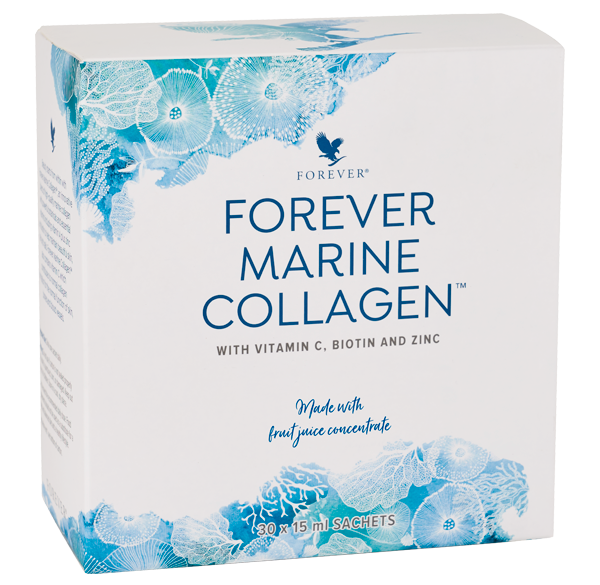 Forever Marine Collagen
A good fit when the goal is a routine for skin, hair, nails or joint-support habits.
Closest to a care routine for skin, hair or everyday personal care.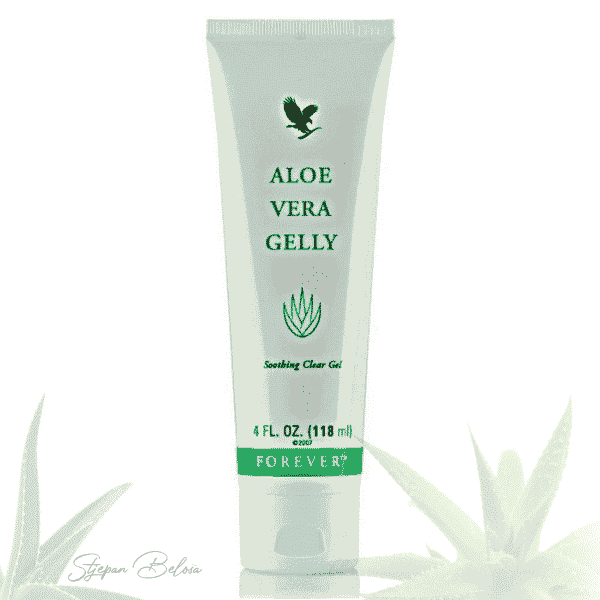 Aloe Vera Gelly
A practical outer-care product when the goal is skin comfort and a simpler care routine.
Closest to a care routine for skin, hair or everyday personal care.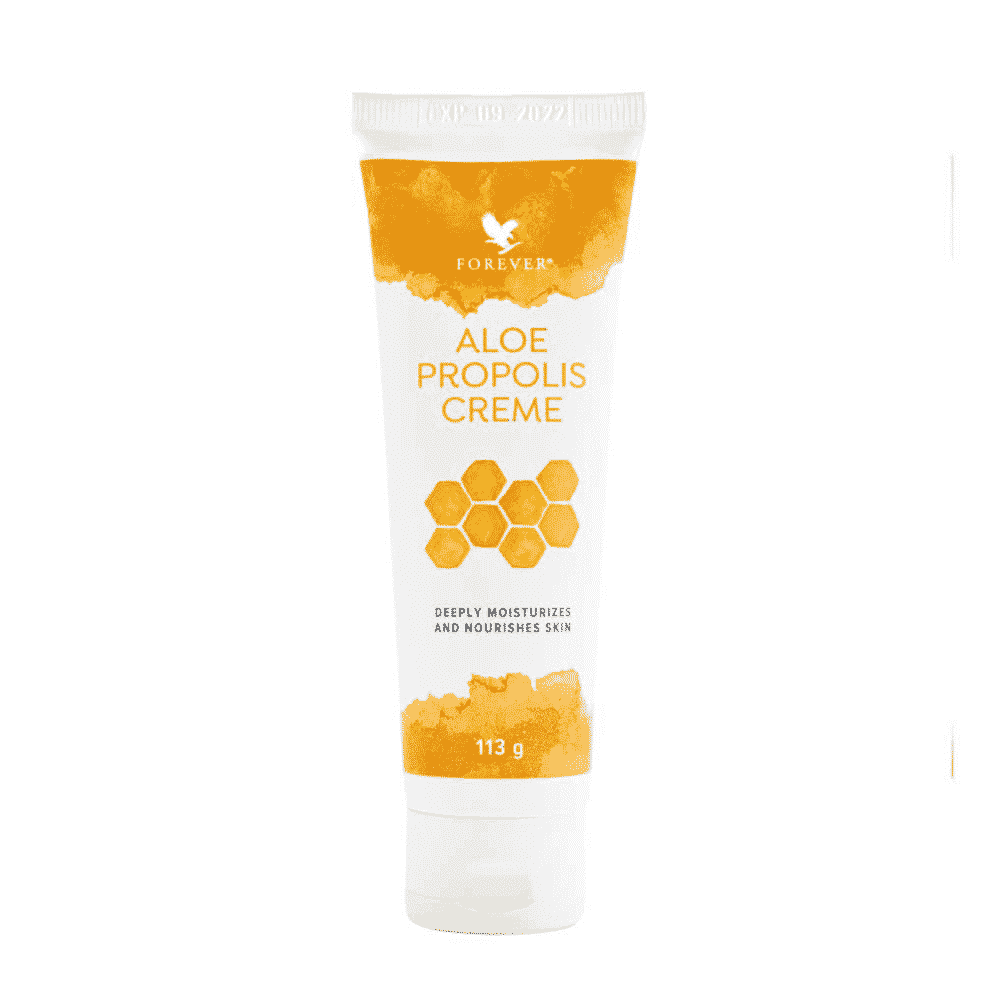 Aloe Propolis Cream
Natural daily support when you want a bee-derived or botanical product for energy and resilience.
Closest to a care routine for skin, hair or everyday personal care.Sensitive skin: how to choose a minimal care routine
Sensitive skin can be a source of frustration every day. Redness, burning and tightness often occur without a clear reason. The bathroom is full of products, and the skin reacts worse and worse.
You may be wondering why. The answer is simple. Sensitive skin usually does not like complicated routines and aggressive ingredients. She needs minimalism, consistency and a few proven habits.
In this practical guide, I take you step by step through a simple routine for sensitive skin. You will learn how to recognize triggers, which products to leave and which to eliminate. And how cleverly to include aloe vera as a gentle support for the skin barrier.
How to recognize sensitive skin
Sensitive skin is not an official diagnosis, but a description of skin behavior. It is about skin that reacts violently to common stimuli. These can be cosmetics, weather, heat, cold or physical touch.
The most common symptoms are burning, tightness, redness and a feeling of heat on the face. Sometimes small bumps or dry, scaly patches appear. Often there is no visible rash, but the feeling of discomfort is constant.
Sensitive skin can overlap with conditions such as rosacea, eczema or atopic dermatitis. If you already have a diagnosis, you also objectively have sensitive skin. Then it is even more important that the routine be calm and simple.
For a deeper understanding of the connection between sensitive skin and inflammatory conditions, you can read a guide on the topicsensitive skin and atopic dermatitis.
Why less is often more with sensitive skin
In recent years, routines with ten or more steps have become a trend. Acids, retinoids, active serums and powerful peels are often combined without a clear plan. The result is overloaded skin and a broken barrier.
The skin barrier is a protective layer that preserves moisture and protects against irritants. When it is damaged, it burns, tightens and reacts more and more. Irritation is then not a sign that the product is working, but that the skin is asking for a break.
Studies show that simple routines with mild products protect the skin barrier better in people prone to irritation. Especially when using ingredients that support renewal, such as glycerin, ceramides and aloe vera extract.
A minimal routine means a focus on the basics. Cleansing, hydration and sun protection. Everything else comes only later, and carefully.
Step 1: Gentle cleansing without drying
The first step of any routine is cleansing. For sensitive skin, it must be extremely mild. The goal is to remove impurities and SPF, not to remove all the protective sebum.
Choose a syndet or cream cleaner without perfume, strong surfactants and dyes. Foaming gels with aggressive surfactants are often additional drying. Especially if they are used twice a day.
The evening is ideal for a thorough but gentle cleansing. Remove make-up with a mild product, then wash your face with a gentle cleanser. In the morning, it is often enough to just wash your face with lukewarm water.
Ideas for the routine after removing makeup can be studied in more detail in the article on the topicskin care after removing make-up.
How to recognize a good cleanser for sensitive skin
- The texture is milky, creamy or gel that does not foam excessively.
- In the list of ingredients, there are no strong fragrances and alcohol is high in the composition.
- The skin after washing is not tight or rough to the touch.
If you're wondering if you should double cleanse, the answer is usually no. With sensitive skin, double cleansing can easily become too aggressive. Rather, use one reliable, mild product that washes off makeup and SPF well.
Step 2: Hydration and renewal of the skin barrier
After cleansing, the skin needs moisture and protection. With sensitive skin, the main role of care is to restore and strengthen the barrier. This is an area where simple ingredients make a big difference.
Look for creams that contain glycerin, hyaluronic acid, ceramides, aloe vera or squalane. These ingredients bind water and help the skin retain it within the surface layer.
Mild gels with a high content of aloe vera are especially useful for burning sensations and redness. They can be used alone or under a richer cream, depending on how dry your skin is.
As an example of a simple moisturizing gel, you can consider an internal skin support drink such asForever Aloe Vera Gel, with an agreement with a doctor if you have chronic complaints.
Many people find a gel cream like product suitable for local calming of irritated areasAloe Vera Gelly, which is applied in a thin layer on clean skin.
For extremely dry and sensitive skin, you can introduce a richer facial moisturizer. An example of such a cream with an emphasis on moisture and tenderness isSonya Deep Moisturizing Cream.
Why aloe vera is a common ally of sensitive skin
Research shows that aloe vera extract can contribute to better hydration and faster recovery of the surface layer of the skin. Especially when used in well-formulated topical preparations.
You can find an overview of clinical studies on the application of aloe vera on the skin in a review paper available on the Internet, which describes the effect of the gel on healing and reducing irritation, for example in the resource atscientific review available here.
Step 3: Sun protection for sensitive skin
UV radiation is one of the main triggers of redness, burning and premature aging of the skin. Sensitive skin reacts particularly quickly to the sun. That's why sun protection is a daily step, not a seasonal habit.
Choose an SPF with a high factor and a texture that is comfortable for you. Many with sensitive skin better tolerate mineral filters or combined formulas without strong perfume.
An example of a product that combines aloe vera and protective filters is sun creamAloe Sunscreen, which you can use on your face and body according to the manufacturer's instructions.
The key is to apply enough product and renew protection throughout the day. Especially if you spend time outdoors or spend a lot of time in your car.
A minimum routine of three to four products
It may seem like all of this is still too many steps. Here's a simple version that you can apply right away. The goal is for the routine to be realistic, sustainable and enjoyable.
Morning routine
- Wash your face with lukewarm water or a very mild cleanser.
- Apply a thin layer of moisturizing gel or light cream.
- Wait a few minutes and apply SPF all over your face and neck.
Evening routine
- Remove makeup and SPF with a gentle cleanser, without harsh scrubbing.
- Apply aloe gel or serum to calm the skin.
- Seal everything with a rich moisturizer, especially on dry areas.
This is your base. When the skin calms down and the barrier is strengthened, only then can you think about additional serums or targeted treatments.
When there is enough aloe, and when you need less active acids
Sensitive skin often cannot tolerate aggressive chemical peels and high concentrations of acids. The good news is that in most cases you don't need that many active ingredients for healthy looking skin.
Mild peels and gentle formulas can only be introduced when the skin has been stable for several weeks. And then it is wise to start once a week and monitor the reaction.
If you want to learn more about the anti aging approach with aloe vera and collagen support, a guide on the topic can help youaloe vera and skin aging.
How to test new products on sensitive skin
The biggest mistake with sensitive skin is introducing several new products at once. Then it is difficult to know exactly what the skin is reacting to. That's why you introduce only one new product every ten days.
Before putting it all over your face, do a test on a small area. For example, on the inside of the forearm or behind the ear. Apply a small amount twice a day for several days.
If there is no redness, itching or burning, the face is more likely to react well. However, with extremely sensitive skin, the reaction may appear later, so continue to observe the skin.
The role of nutrition and supplements in sensitive skin
The skin is a reflection of what is happening inside. Stress, lack of sleep and an unbalanced diet often overlap with sensitive skin. All this can increase skin reactions.
Try to include vegetables rich in antioxidants, healthy fats and enough protein in your menu more often. Drink plenty of water throughout the day, especially if you are staying in heated or air-conditioned areas.
It is always good to consult a doctor or pharmacist with food supplements. Especially if you have chronic diseases, are taking therapy or are pregnant.
For additional ideas on how aloe vera can support the body from the inside, see product reviews such asForever Aloe Vera Gel combined with expert advice.
How to know a routine is working
With sensitive skin, progress is often gradual. You won't wake up overnight with completely different skin. But there are clear signs that you are on the right track.
- The skin burns less after washing or applying cream.
- Redness is no longer constantly present, but occurs less often.
- The surface of the skin looks smoother and there is less flaking.
- You can use the same products for weeks without sudden reactions.
If you notice an opposite trend, stop. Go back to the simplest routine of two to three products. Only when the skin has calmed down, think about the next steps.
When to seek the help of a dermatologist
Sensitive skin is sometimes a sign of a more serious condition. Be sure to contact your doctor or dermatologist if:
- you have severe pain, swelling or a sudden rash that spreads
- the skin cracks, sores or bleeds
- nothing from basic care helps for weeks or months
- irritation affects sleep, work or everyday life
A professional evaluation helps rule out allergies, autoimmune diseases and other causes. Then cosmetics can be combined with medical therapy, with clear instructions from the doctor.
How AI advisor and online support can help you
Choosing a minimal routine is often confusing, especially if you're not sure where to start. This is where structured tools and personalized recommendations can help.
If you want to get a suggested routine adapted to your habits, existing therapy and skin type, you can use oursAI product selection advisor. It guides you through questions and offers suggestions that you can then check with your doctor or pharmacist.
Frequently asked questions about sensitive skin and the minimal routine
How many products are enough in the daily routine for sensitive skin
For most people, three products are enough. Gentle cleanser, moisturizer and creamy SPF. Everything else is an addition, not the basis. When the skin is stabilized, you can carefully add one targeted serum.
Can I use a scrub if I have sensitive skin?
You can, but very carefully. Avoid harsh mechanical scrubs and strong acids. A better choice is a very mild exfoliation once a week, while monitoring the reaction. If the skin burns or peels, take a break.
How often should I change products?
Sensitive skin likes stability. If you have found products that do not cause reactions, there is no need to change them often. The reason for the change is only when the skin changes seasonally or when you get expert advice.
Can diet make sensitive skin worse?
It can affect everyone, but not in the same way. For some people, certain foods are associated with redness or worsening of the condition. It is best to keep a short journal and follow the links. In case of severe complaints, consult a doctor or nutritionist.
Bottom line: your plan for calmer, more stable skin
Sensitive skin does not demand perfect products. He is looking for understanding, patience and consistency. When you reduce the number of steps and eliminate aggressive ingredients, the skin gets a chance to recover.
Focus on three pillars. Gentle cleansing, barrier-supporting hydration and daily sun protection. Aloe vera can be a valuable ally, both externally and internally, if it is well integrated into your plan.
If you want more inspiration on how to combine natural care, smart accessories and modern technology, you can also explore the articleabout a simple routine for sensitive skin as an additional source of ideas.
For inspiration on how modern technology and AI are used to build a global online business, read the articleHow this couple is building a global business with AI and working 95 percent online.
Note: This text serves as an educational guide and does not replace the advice of a doctor, dermatologist or pharmacist. If you have a diagnosed skin condition, are taking therapy, or notice a sudden worsening of your symptoms, be sure to consult a professional before introducing new products or supplements.
Products most closely related to this topic
If you want to compare concrete options after reading, these products are the closest match to the article topic.
Forever Marine CollagenA good fit when the goal is a routine for skin, hair, nails or joint-support habits.
Closest to a care routine for skin, hair or everyday personal care.Aloe Vera GellyA practical outer-care product when the goal is skin comfort and a simpler care routine.
Closest to a care routine for skin, hair or everyday personal care.Aloe Propolis CreamNatural daily support when you want a bee-derived or botanical product for energy and resilience.
Closest to a care routine for skin, hair or everyday personal care.Short answers that help
If you are still comparing options, these are the points worth checking before you continue.
What should I take from this article?
Use it to understand the topic in practical terms and compare it with your current routine, needs and next step.
When does it make sense to ask for a recommendation?
Ask when the topic feels relevant, but you are not sure which Forever Living Products product or routine fits you best.
Does this article replace professional advice?
Sensitive skin: a minimal care routine in 3 simple steps is educational content. For medical conditions, medication, pregnancy or persistent symptoms, include qualified professional advice.
Describe what you want to achieve
If you do not know which product to choose, write your goal, habits or doubts and get a more concrete suggestion.
Recommended products

Related articles to keep exploring