The key points from this article
- seborrheic dermatitis it often appears as a stubborn combination of redness, flaking and itching on the face, scalp, chest or ears.
- If your symptoms seem to come in waves there, you're not alone.
- For a personal choice, continue with a recommendation after reading.
Products most closely related to this topic
If you want to compare concrete options after reading, these products are the closest match to the article topic.
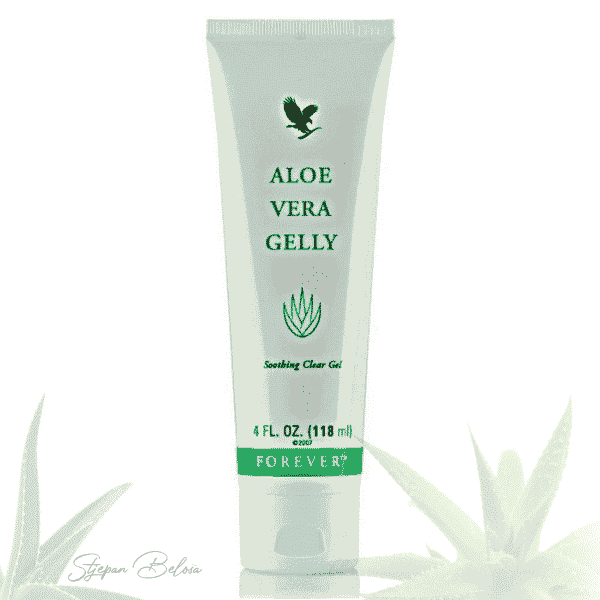 Aloe Vera Gelly
A practical outer-care product when the goal is skin comfort and a simpler care routine.
Closest to a care routine for skin, hair or everyday personal care.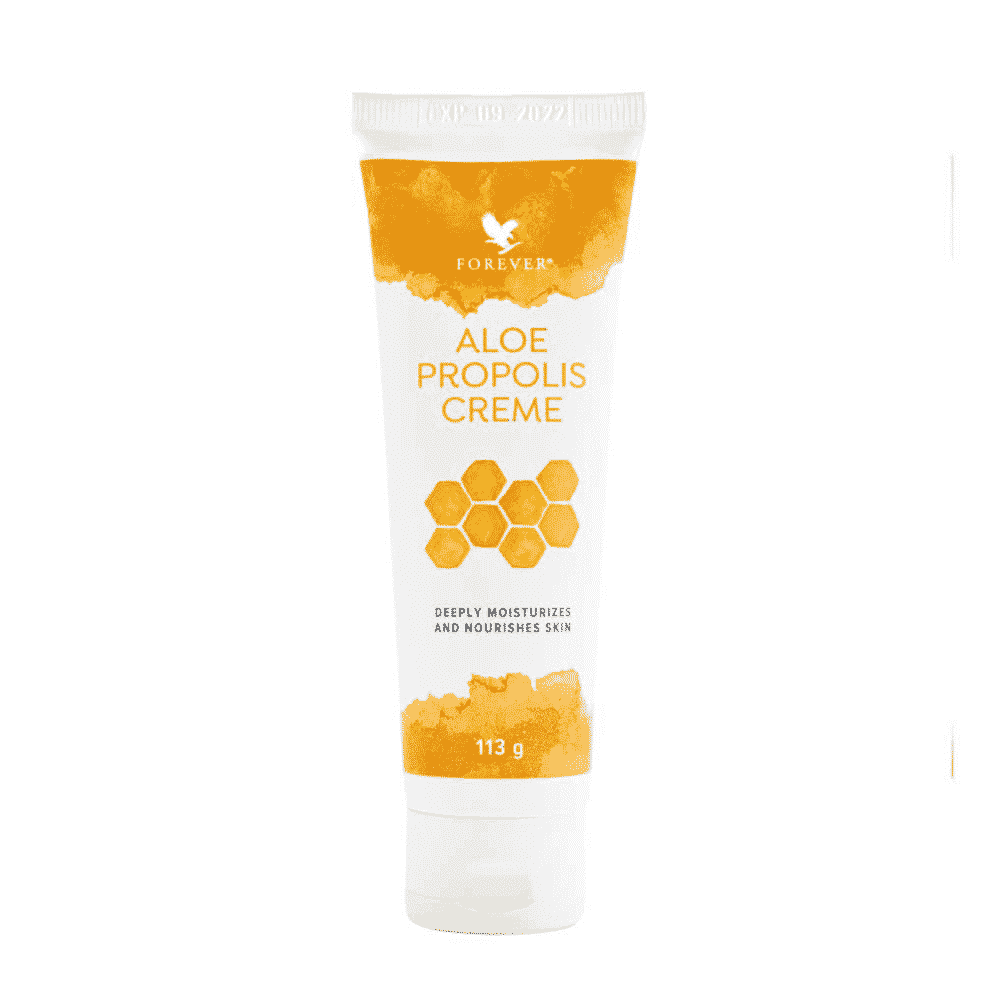 Aloe Propolis Cream
Natural daily support when you want a bee-derived or botanical product for energy and resilience.
Closest to a care routine for skin, hair or everyday personal care.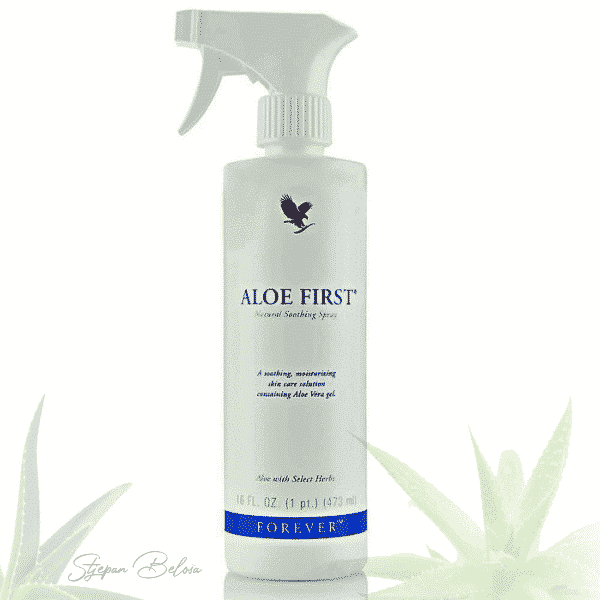 Aloe First – First aid for the skin with Aloe vera and propolis
A practical outer-care product when the goal is skin comfort and a simpler care routine.
Closest to a care routine for skin, hair or everyday personal care.Seborrheic dermatitis: mini first aid protocol with aloe vera (step by step)
seborrheic dermatitis it often appears as a stubborn combination of redness, flaking and itching on the face, scalp, chest or ears. If your symptoms seem to come in waves there, you're not alone. Good news? There is a gentle but effective mini-protocol with aloe vera that you can implement immediately, at home, without aggressive treatments.
You may be wondering why aloe? Here's the thing: stressed skin needs balance, not combat. Aloe vera has a calming effect, hydrates and supports the skin barrier, and can be combined with smart hygiene and lifestyle habits. Below is a clear plan, step by step, optimized for the face, scalp and body.
What exactly happens in seborrheic dermatitis
It is an inflammatory skin condition associated with overactive sebaceous glands, a reactive microbiome and a sensitive skin barrier. Malassezia yeasts live naturally on the skin, but in sensitive people and under certain conditions (stress, cold, hormonal changes) they can trigger redness and scaling. Sound familiar?
Additionally, skin with this problem is often both oily and dehydrated. This leads to a vicious circle: aggressive degreasing stimulates even stronger sebum secretion, and the irritated skin barrier reacts with more itching. According to the practical guide for patients onHealthline this condition is chronic, but can be kept under good control with proper care.
Why aloe vera helps with acute irritation
Aloe is rich in polysaccharides that help retain moisture and create a protective"film", and it also contains phytonutrients that soothe the burning sensation. If you're interested in learning more about how it works on skin microorganisms, explore our explanation of how aloe works as an antimicrobial and antifungal in the articleantibacterial and antifungal action of aloe.
In addition to traditional use, you can read about the role of Malassezia and inflammatory pathways in this condition in summaries of professional literature. A useful entry into review papers isreview on PubMed, where you will find links to studies that explain mechanisms and therapeutic approaches.
Mini first aid protocol with aloe vera: step by step
Before you start: 3 golden rules
- Gentle, not aggressive. Avoid scrubbing, strong products and rough towels.
- Little, but consistent. Better two thin, soothing routines a day than one"shock"treatment.
- Test it. For sensitive skin, test on a small area first.
STEP 1: Soothe the skin with lukewarm water and a compress
Rinse the affected area with lukewarm water. If a visible"film"of scale is present, apply a soft towel soaked in lukewarm water for 1 to 2 minutes. This softens the scales and reduces the need to rub. But that's not all: you will already notice less itching.
STEP 2: Gentle cleansing and balancing of the scalp
For the scalp, a good starting point is a shampoo that cleanses without drying and helps maintain the skin's pH and barrier. Try it outAloe Jojoba Shampoo 2 to 3 times a week, massaging the scalp with your fingertips for 60 to 90 seconds, then rinse well.
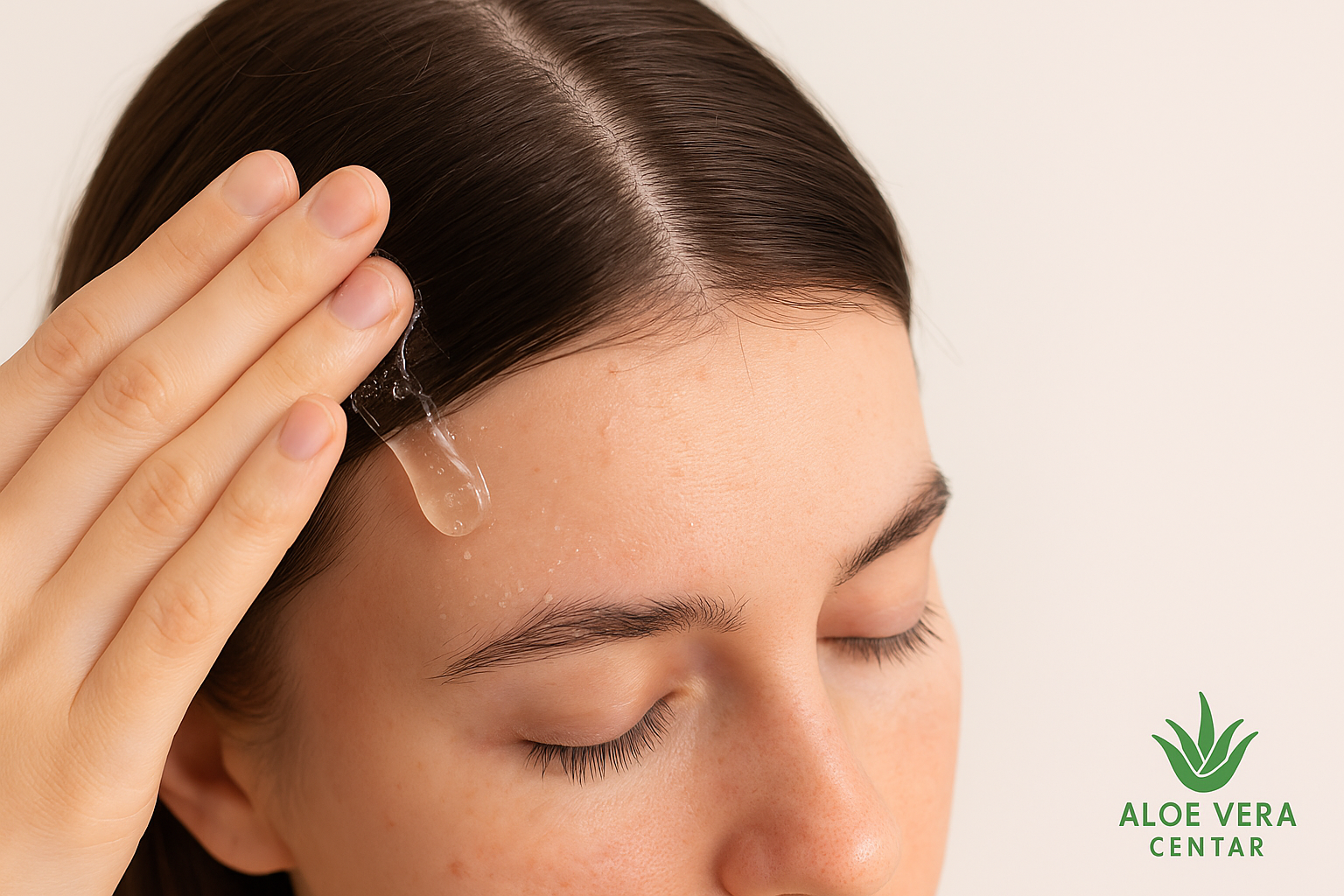
STEP 3: Soothing redness with aloe gel
Apply a thin layer of clear gel to a clean and slightly damp face or affected area.Aloe Vera Gelly it's a great choice when you want to soothe"hot"skin without being heavy or greasy. Let it absorb for 2 to 3 minutes.
STEP 4: Restoration of the skin barrier
After the gel, seal in moisture with a richer, barrier-focused cream.Aloe Propolis Cream it contains soothing and occlusive ingredients that reduce flaking and the feeling of tightness, while not being heavy if you apply it in a thin layer.
STEP 5: SOS spraying during the day
When you feel a sudden wave of burning or itching, spray a thin layer of the spray at a distance of 20 to 30 cm and let it dry.Aloe First it is practical for the bag or the office and is often enough to prevent the skin from"tearing"during the day.
STEP 6: Conditioning and easy combing
For hair prone to flaking and itchiness, finish washing with a little conditioner only on the lengths of the hair.Aloe Jojoba Conditioner it makes combing easier and helps not to irritate the scalp by combing.
STEP 7: Support the microbiome from within
The condition of the skin often goes hand in hand with the balance of the intestinal ecosystem. Many users notice a difference with a quality probiotic supplement. Consider an option such asForever Active Pro B and monitor how the skin reacts over 4 to 6 weeks.
Weekly maintenance plan (7 days for reset)
Here's what a practical schedule looks like:
- Monday: Soothing wash, aloe gel, barrier cream. Repeat thinly in the evening.
- Tuesday: Scalp shampoo + short facial compress. Aloe gel as needed during the day.
- Wednesday: Day for"less is more": only cleaning with water in the morning, gel + cream in the evening.
- Thursday: Shampoo, conditioner for lengths, SOS spray if it itches.
- Friday: Focus on the barrier: gel + cream, sleep on a clean pillowcase.
- Saturday: A short walk and air, no aggressive products, mild cleaning.
- Sunday: Calming ritual: lukewarm compress, gel, cream, early evening routine.
Another trick: wash hats, powder pads and towels more often. Small hygiene details often make a big difference.
Mistakes that worsen the condition
- Too much degreasing. Aggressive gels, alcohol tonics or peeling with coarser particles.
- Too many products at once. The skin does not like"fireworks"of active substances in a crisis.
- Hot water and steam. Temporary relief, but stronger reactivity.
- Persistent combing and"scraping"of scales. Soft compression is a better strategy.
- Irregular sleep and stress without a valve. Cortisol likes to increase skin reactivity.
Adaptation of protocols for different regions
Face
The nasolabial folds, eyebrows and edges of the nose are most often affected. Apply a thin layer of gel, then barrier cream only on dry, red areas. If the shine returns quickly, reduce the amount of cream and leave a heavier layer only at night.
Scalp
Massage with your fingertips, not your nails. Leave the shampoo on for 60 to 90 seconds and rinse well. If you wear a hat or hood, wash them more often to reduce heat and moisture on your scalp.
Chest and back
The key here is a thin, breathable layer. After showering, apply the gel to towel-dried skin and wait for it to be completely absorbed before dressing.
Additional guidelines and smart links
If you want to extend the plan with natural support from the inside, check out our guide oneczema and dermatitis and how probiotics and zinc can help skin calm down over a few weeks.
Looking for a light scent"shield"before bed? Gentle essences can be useful, and combinations likealoe vera and lavender many people like them for the evening routine when the skin needs a signal and peace.
Plan for stress and triggers
Sound too good to be true? Continue reading. The most common triggers are sleepless nights, fast food and a busy schedule. Introduce short"wellness breaks": 5 minutes of breathing, 10 minutes of walking and a glass of water before coffee. Little things, big impact.
Personalization and tracking
Keep a skin diary: what you ate, slept, the weather and what you applied. After 14 days you will see clear patterns. If you need quick help choosing a routine according to your skin type and the intensity of your symptoms, use oursAI advisors and you will receive personalized guidance in minutes.
When to seek medical help
Contact your doctor immediately if swelling, crusting that cracks and hurts, spreading to the eyelids with eye irritation, or if you suspect a secondary bacterial infection. Also, seek professional evaluation if symptoms persist despite careful care for 4 to 6 weeks.
Conclusion: your"reset"in three sentences
Frequently asked questions
How soon can I expect relief?
The first feeling of calm often occurs after several applications of the gel and spray during the same day. Visibly less flaking and redness usually takes 3 to 7 days of a consistent routine.
Can I do mechanical peeling?
Not during the acute phase. Instead, use lukewarm compresses and gently remove the softened scales without rubbing. Only consider peeling when the skin is completely calm.
Can I wear make up?
Yes, but choose breathable formulas and apply them over a fully absorbed barrier cream. Remove makeup with gentle cleansing and avoid alcohol wipes.
What if the conditioner makes my condition worse?
Keep the conditioner away from the scalp and apply only to the lengths. If the scalp reacts, reduce the amount and use it less often.
Inspiration for reading and further progress
For inspiration on how modern technology and AI are used to build a global online business, read the articleHow this couple is building a global business with AI and working 95% online.
Note: This content is for educational purposes and is not a substitute for professional medical advice, diagnosis or treatment. For more severe or persistent symptoms, consult a doctor or pharmacist.
Products most closely related to this topic
If you want to compare concrete options after reading, these products are the closest match to the article topic.
Aloe Vera GellyA practical outer-care product when the goal is skin comfort and a simpler care routine.
Closest to a care routine for skin, hair or everyday personal care.Aloe Propolis CreamNatural daily support when you want a bee-derived or botanical product for energy and resilience.
Closest to a care routine for skin, hair or everyday personal care.Aloe First – First aid for the skin with Aloe vera and propolisA practical outer-care product when the goal is skin comfort and a simpler care routine.
Closest to a care routine for skin, hair or everyday personal care.Short answers that help
If you are still comparing options, these are the points worth checking before you continue.
What should I take from this article?
Use it to understand the topic in practical terms and compare it with your current routine, needs and next step.
When does it make sense to ask for a recommendation?
Ask when the topic feels relevant, but you are not sure which Forever Living Products product or routine fits you best.
Does this article replace professional advice?
Seborrheic dermatitis: a mini protocol with aloe vera for quick relief is educational content. For medical conditions, medication, pregnancy or persistent symptoms, include qualified professional advice.
Describe what you want to achieve
If you do not know which product to choose, write your goal, habits or doubts and get a more concrete suggestion.
Recommended products

Related articles to keep exploring