In this guide
Separate a wound from a scar
A scar remains after healing and may change gradually. An open wound, scabs, discharge or stitches needs wound care instructions. Do not add fresh aloe leaf, an aloe drink or cosmetics to that area based on an internet recipe. Consider massage only when the wound is fully healed and it is appropriate for your situation.
Ask about the scar itself
If a scar hurts, is very raised, restricts movement or bothers you, speak to a clinician. Its type affects the options, such as silicone products or specialist treatment. Cosmetic moisturizing is a different intervention and does not guarantee your skin will look as it did before injury. Include sun protection in a suitable care plan.
A cosmetic comparison
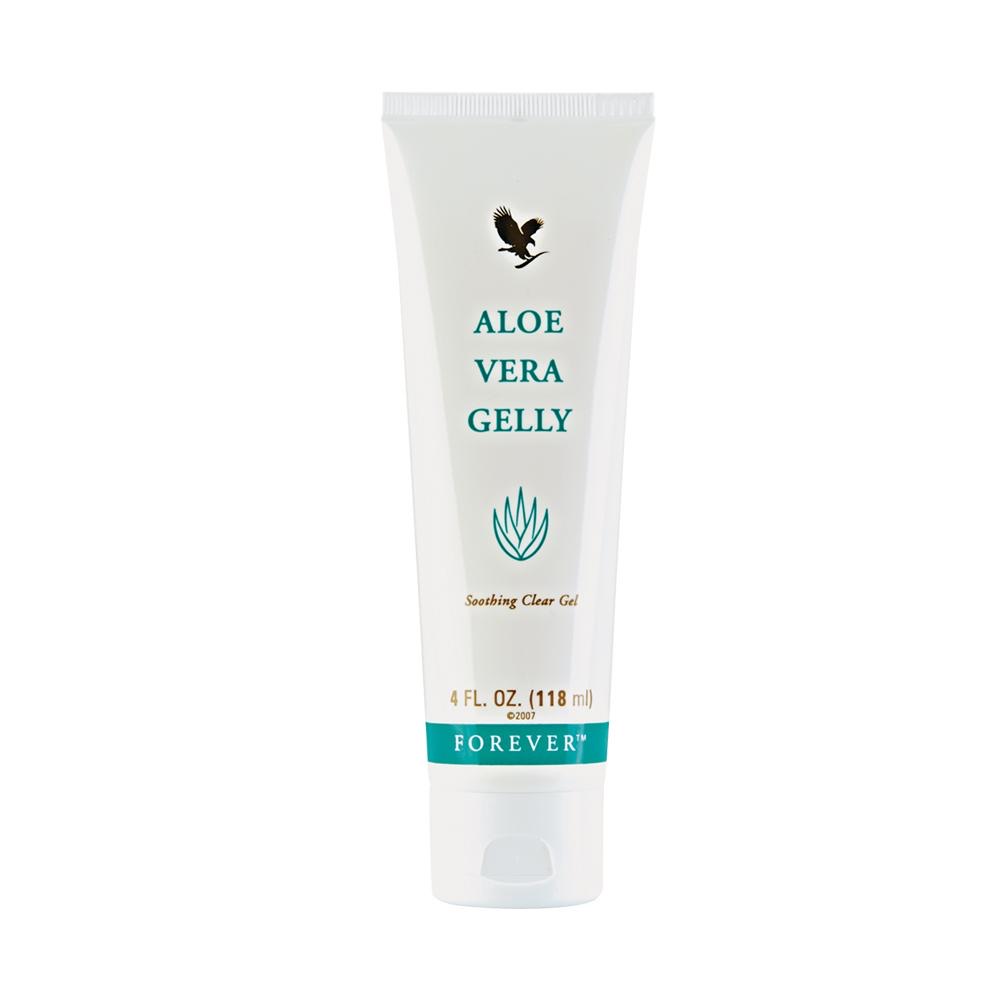
You can compare Aloe Vera Gelly as a cosmetic gel for fully healed skin care, without promising scar removal. Check ingredients, skin sensitivity and official instructions. No invented success percentage or eight week promise is attached to it. Stop if a reaction occurs. A warm, swollen or discharging area requires medical assessment rather than stronger massage.
Before scar care, check that the surface is completely closed, without discharge or crusts that reopen. Otherwise it remains a wound and needs care appropriate to that stage. To monitor appearance, take occasional photographs in similar lighting rather than scrubbing daily or changing several products. This record is more useful than judging after one application and can support a follow up discussion.
Sources: NHS Forever Living.
Common questions
Can aloe be applied to an open wound?
Not under this cosmetic guide. Follow your wound care instructions.
Does gel guarantee scar removal?
No. Skin care and scar treatment have different aims.
Before first use
Choose products for your dietary routine and care needs. Follow a healthcare professional’s advice for diagnosis and treatment of symptoms. Check suitability first during pregnancy and for use by children.