Water is usually a practical choice for a short, easy activity. Sodium and carbohydrate may also matter during prolonged effort with heavy sweating, but there is no single amount for every person and session.
Prepare before leaving
Carry a bottle and check where you can refill it. Consider the heat, activity duration and your own experience. For long races, practise a plan during training with professional guidance. Do not introduce a new concentrated mixture for the first time on competition day.
Do not force drinks to meet a number in an app. Excessive intake, including sports drinks, can be dangerous. Headache and nausea do not prove you need more water; after prolonged exercise they can have different causes.
Flavour is different from electrolytes
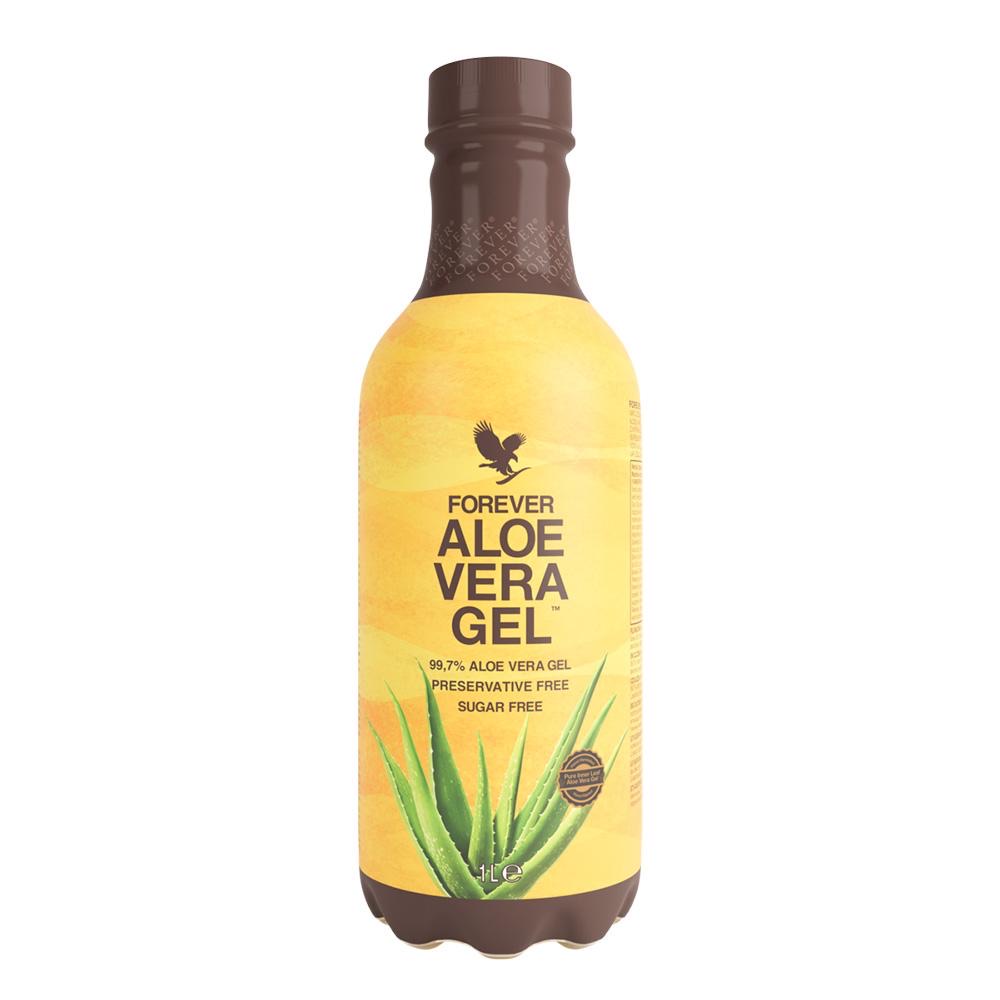
Forever Aloe Vera Gel can be an optional oral beverage outside exercise according to its label. It does not replace electrolyte replenishment when that is actually needed. Confusion, collapse or marked weakness means stopping activity and seeking immediate help rather than experimenting with salt.
For short easy exercise in mild conditions, arrange access to water. Longer training in heat needs a plan matching conditions, tolerance and rest opportunities rather than copying someone else’s bottle and salt quantity. Keep an optional flavoured drink distinct from anything intended for hydration. An aloe beverage does not become a rehydration solution merely because both products come in a drinking bottle.
Sources: NATA Forever Living.
Common questions
Must I put salt in every bottle?
No. The need depends on sweating, duration, diet and health circumstances.
Is more fluid always better?
No. Excessive drinking can also be dangerous.
Before first use
Choose products for your dietary routine and care needs. Follow a healthcare professional’s advice for diagnosis and treatment of symptoms. Check suitability first during pregnancy and for use by children.