A pimple may leave a flat, darker mark. This is different from a depressed or raised scar. If a mark looks unusual, grows or bleeds, do not assume it is simply an acne aftereffect.
Start simply
Avoid squeezing spots and vigorous scrubbing. Choose a gentle cleanser and moisturising care that does not sting. Treating new acne matters because each new inflammation may leave another mark. A dermatologist can select treatment for acne and pigmentation, especially when lesions are painful or persistent.
Check the protection label
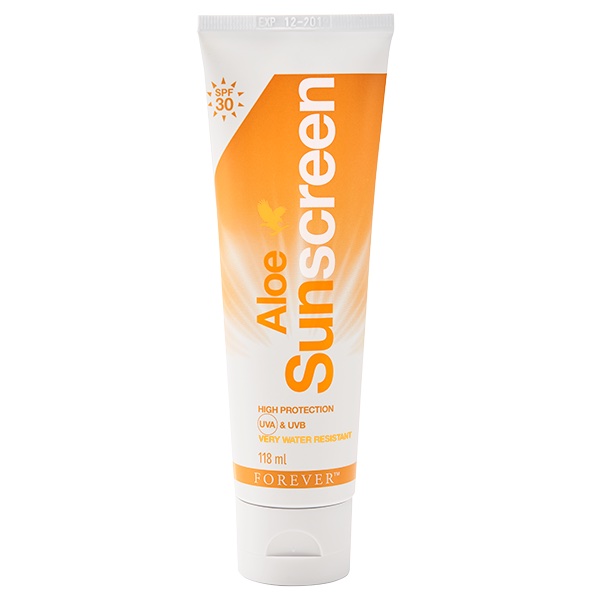
Aloe Sunscreen is available as a sun protection product rather than a dark spot remover. Check the locally labelled SPF, UVA protection and skin tolerance. Tinted protection containing iron oxides is also considered for pigmentation; do not assume every sunscreen contains them. Use shade and clothing too, and reapply according to the instructions. Colour changes fade at different rates, without a guaranteed deadline.
To monitor marks, occasionally photograph the same area in similar lighting without filters. Record new breakouts and products that sting, since persistent irritation complicates care. Avoid introducing several acids and scrubs on one day. A raised, changing or bleeding lesion should not automatically be called an acne mark; arrange assessment before further cosmetic experimentation and bring the record to explain what has changed.
Sources: AAD Forever Living.
Common questions
Does aloe gel erase dark spots?
There is no basis to promise removal of pigmentation with aloe gel.
How quickly will marks fade?
Timing varies considerably; assessment helps identify the cause and suitable treatment.
Before first use
Choose products for your dietary routine and care needs. Follow a healthcare professional’s advice for diagnosis and treatment of symptoms. Check suitability first during pregnancy and for use by children.