In this guide
- No-poo method: washing hair with only water and baking soda - safe?
- What is no-poo and how does it work?
- pH, cuticles and scalp health: why it's a game changer
- Water-only washing: is only water enough?
- Baking soda: when it helps and when it degreases
- Apple cider vinegar as an acid rinse
- Aloe vera in the no-poo routine
- Hard water and no-poo: the hidden factor
- Safe recipes and ratios
- When no-poo doesn't go smoothly: smart alternatives
- Transition plan in 21 days
- Common mistakes that ruin the results
- What the profession says about the frequency of washing
- Examples of routines for different hair types
- Frequently asked questions
- Conclusion
- Common questions
No-poo method: washing hair with only water and baking soda - safe?
The no-poo method is an increasingly loud trend in the world of natural hair care. It sounds simple: instead of a classic shampoo, you wash your hair only with water or occasionally use baking soda paste and then rinse with apple cider vinegar. You might be wondering why? The idea is to preserve the natural oils of the scalp, reduce irritation and restore hair shine without aggressive surfactants. But is it really safe for all hair and scalp types? Below is a balanced, practical and scientifically supported guide on how to make the decision that is best for you.
Here's the thing: no-poo isn't a black-and-white method. Some will be fine with small adjustments, while others will be better suited to compromise solutions such as the"low-poo"approach with mild shampoos or the clever combination of aloe gel and acid rinses. Through the article, we provide proven advice, mini recipes and safety guidelines, along with discreet recommendations that do not sound like advertising but like the help of a friend.
What is no-poo and how does it work?
No-poo literally means"no shampoo". In practice, this can mean:
- Water-only - rinsing the hair with water only and thorough mechanical cleaning of the scalp.
- Baking soda - occasional washing with a paste made of soda and water for a stronger removal of deposits.
- Acid wash - after water or soda, rinsing with diluted apple cider vinegar to close the hair cuticle.
Sound too good to be true? Continue reading. The key is in pH values, relative to skin barrier i hair type.
pH, cuticles and scalp health: why it's a game changer
The hair cuticle"likes"a slightly acidic environment. When preparations are too alkaline, the negative charge on the surface of the hair increases, the friction is greater, and the result can be more frizz, damage and breakage. It's not a myth.Research published in the International Journal of Trichology showed that an alkaline pH increases friction and the potential for damage, while lower pH preparations can reduce electricity and frizz. Interesting information from the same paper: only about 38 percent of popular shampoos had pH ≤ 5, while in professional salons this proportion was approx 75 percent.
And where is the baking soda in all this? Her pH is about 8 to 9, which is significantly higher than optimal for hair and scalp. According tosummary at MedicalNewsToday iarticle on Healthline, frequent use can dry out the skin, increase brittleness and worsen irritations. In other words, soda can be occasional cleaning booster, but not a long-term solution for most hair types.
Water-only washing: is only water enough?
Water-only relies on mechanical cleaning and massaging, without surfactants. In the first weeks of the transition, the scalp can produce more sebum, so the hair looks greasier. The good news is that the condition often stabilizes once a new routine of brushing and rinsing with lukewarm water is established. However, some people may experience itching, scaling or an unpleasant odor if the cleaning is not thorough enough.
How often do you wash your hair? Dermatologists' recommendations depend on hair type and scalp fat.American Academy of Dermatology advises that people with hair prone to dryness wash less often, while those with oily scalp can wash more often. It is important to observe your own scalp and adjust the rhythm.
Baking soda: when it helps and when it degreases
Baking soda breaks down styling product deposits and grease well. But the price can be high: greater moisture loss, porosity, rougher surface and increased tangles.Healthline notes that the high pH of soda can damage both hair and skin in the long term when used as a shampoo. If you're really determined to give soda a try, so be it rarely and with good preparation.
A safer way to use soda
- Stir 1 level teaspoon of soda in 200 ml of lukewarm water. Gently massage only scalp 20 to 30 seconds, then rinse immediately.
- Be sure to finish with an acid rinse and hydration of the length of the hair.
- Avoid if hair chemically treated, lightened or very dry.
- Limit to no more than 1 cleaning per month. Hairdressers sources and dermatologists often they do not recommend regular use.
Apple cider vinegar as an acid rinse
After an alkaline cleanse or even plain water, many people reach for diluted apple cider vinegar to slightly lower the pH and smooth the cuticle.According to Healthline, ACV has a pH of 2 to 3 and can contribute to a smoother appearance and shine. Keep in mind that there is no direct clinical evidence for hair growth, so take it as it is cosmetic support, not as a cure. If you want detailed recipes and ratios in practice, check out our guidealoe vera and apple cider vinegar.
Aloe vera in the no-poo routine
Aloe gel is naturally soothing and moisturizing, with polysaccharides such as acemannan. With a sensitive or itchy scalp, it can help reduce discomfort and make combing easier. Interestingly, in a double-blind trial at seborrheic dermatitis a reduction in scaling was reported when using an emulsion with Aloe vera compared to a placebo (J Dermatol Treat, 1999).
How to use aloe?
- Before washing - a thin layer of pure aloe gel on the scalp for 10 minutes reduces friction during massage.
- After acid washing - a spoonful of aloe gel in 200 ml of water as a light leave-in spray.
- Targeted at dandruff - try it out anti-dandruff mask recipe with aloe gel.
Want more home ideas without too much chemistry? We bring you an overviewnatural ingredients for shiny hair which work well with a no-poo approach.
Hard water and no-poo: the hidden factor
If you live in an area with hard water, minerals can be deposited on your hair that make combing difficult and reduce shine. Studies have shown that hard water can change the mechanical properties of the hair and increase the deposition of minerals on the surface(Effects of Hard Water on Hair). If you switch to water-only, this is important because without surfactants it is difficult to remove deposits. Decision? Occasional acid rinse, shower filter and gentle mechanical exfoliation of the scalp.
Safe recipes and ratios
1) Mild acid washing
- 1 to 2 tablespoons of apple cider vinegar in 200 to 250 ml of water. Apply after washing, leave for 1 minute and rinse well.
- If necessary, add a teaspoon of aloe gel or try the ideas from the article aloe vera and apple cider vinegar.
2) Occasional clear cleaning with soda
- 1 teaspoon of soda in 200 ml of water. Massage only the scalp for up to 30 seconds, then rinse. Be sure to finish with an acid rinse and hydration of the length.
- Not more often than once a month and avoid on chemically treated hair.
3) Soothing aloe spray after washing
- 200 ml of boiled and cooled water + 1 tablespoon of pure aloe gel. Along the length and slightly on the scalp. Do not rinse.
When no-poo doesn't go smoothly: smart alternatives
Maybe you did everything"according to the rules"and your hair is still heavy, lifeless or your scalp itches. You are not the only one. For many it is a permanent solution low-poo - very mild shampoo and carefully selected conditioners.
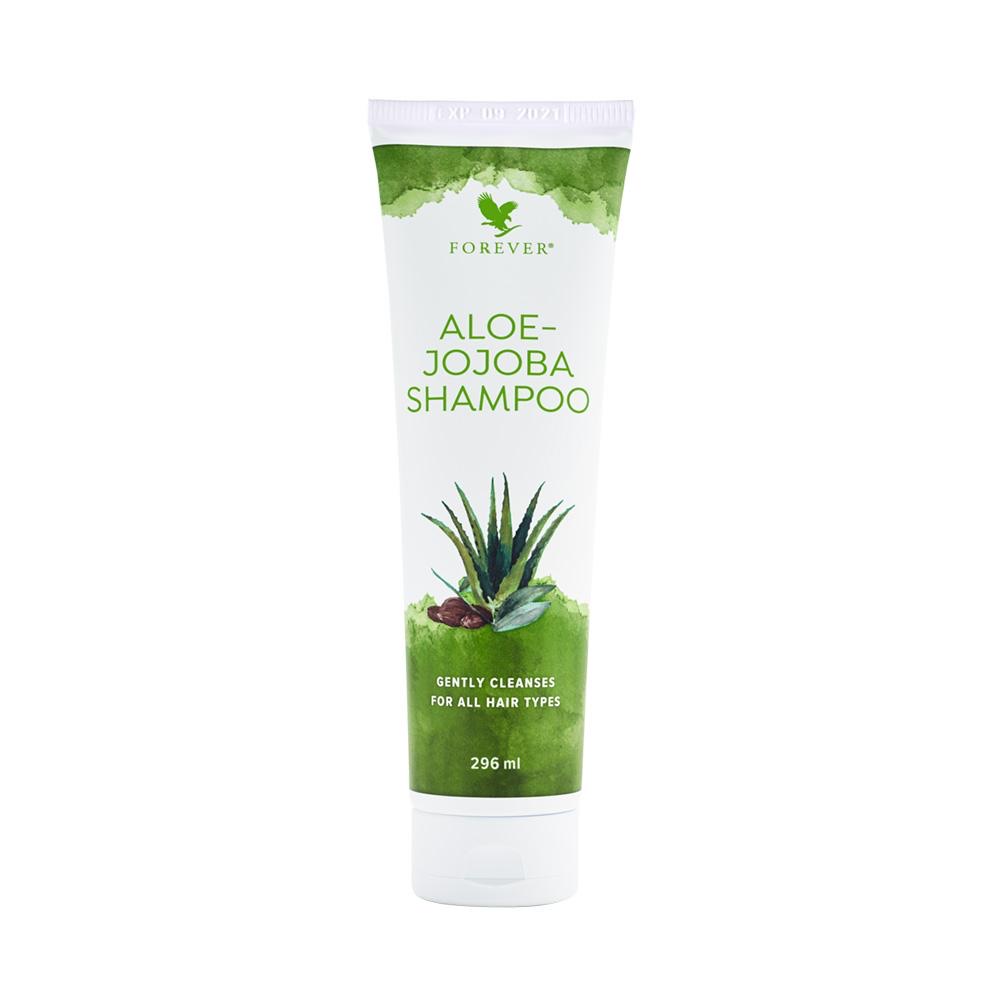
- If you need a gentle, non-drying daily cleanse, consider a shampoo like Aloe Jojoba Shampoo and combine it with plenty of water and a short scalp massage.
- For a co-wash approach and easy combing, try it Aloe Jojoba Conditioner only in length.
- For occasional scalp irritations, a thin layer of pure gel can be helpful, for example Aloe Vera Gelly in local areas.
Need a quick, personalized assessment based on hair type, plumbing and lifestyle? In a few questions you canuse our AI advisor and receive a customized mini-care plan.
Transition plan in 21 days
You don't need to change everything at once. Make changes gradually to allow your scalp to adjust.
Week 1
- Wash with water every 2 to 3 days, thoroughly massage the scalp for 60 to 90 seconds.
- Add 1 acid rinse treatment and a light leave-in with aloe gel.
Week 2
- Depending on the appearance of the scalp, insert 1 gentle wash with a mild shampoo or a co-wash approach with a conditioner, and leave the other washes as water-only.
- If necessary, 1 short clarification with soda - only if the deposit is visible.
Week 3
- Stabilize the rhythm. Photograph the scalp and length before and after.
- To stimulate circulation, massage the scalp for a minute or two a day - see the article for ideas hair growth.
Common mistakes that ruin the results
- Too long soda massage - more does not mean better. Short and only on the scalp.
- Insufficient rinsing - residues of soda or vinegar can irritate the skin and change the smell.
- Skipping length hydration - water and acid do not feed the tips. Add aloe leave-in or light oil to the ends.
- Hard water without compensation - without a filter and acid washing, the results will be weaker (hard water studies).
What the profession says about the frequency of washing
A recent observational study found greater subjective and objective satisfaction with scalp condition with more frequent washing compared to a weekly regimen, with no adverse effects at this level of cleaning. Bottom line: there is no one-size-fits-all solution. Someone will respond better to less frequent washing and no-poo, and someone to low-poo with carefully selected products and acidic rinses.
Examples of routines for different hair types
Oily scalp and thin hair
- Rhythm: 2 to 4 washes per week.
- Scheme: water - mild shampoo - acid rinse - light leave-in with aloe.
- Note: soda possibly once a month for clarification.
Dry, frizzy or porous hair
- Rhythm: 1 to 2 washes per week.
- Scheme: co-wash with conditioner, occasional mild shampoo, mandatory length hydration and final acid rinse.
- Note: avoid soda - it is too alkaline and can increase dryness.
Sensitive or reactive scalp
- Rhythm: individual - the goal is comfort and cleanliness without itching.
- Scheme: water - mild shampoo only on the scalp - aloe gel locally, acid rinse as needed.
- Note: If you suspect seborrheic dermatitis, consider aloe emulsions and talking to a dermatologist.
Frequently asked questions
1) Can no-poo be used on colored hair?
Caution. Alkaline agents such as soda can open the cuticle and wash away the pigment faster, while hard water further mattifies the color. If color is a priority, choose a low-poo with a mild shampoo and acid rinse.
2) Will apple cider vinegar stimulate hair growth?
There is no direct evidence that ACV promotes growth. Its role is primarily cosmetic - by lowering the pH, it can smooth the cuticle and increase shine.
3) How often should I wash my hair in the no-poo regime?
It depends on the oiliness of the scalp, texture and habits. GuidelinesAAD suggest that the frequency is individual - from every day for an oily scalp to every 2 to 3 weeks for extremely dry, textured hair.
4) What if my scalp is itchy or flaky?
Take a break from soda, introduce a mild shampoo and topical soothing care with aloe gel. If symptoms persist, seek professional advice. For home recipe inspiration, see oursanti-dandruff mask topic.
Conclusion
The no-poo method can be a great starting point for those who want a simpler and more natural care. But to be safe, it requires an understanding of pH, quality water, smart acid endings and a good dose of patience. If you feel"stuck", no drama - low-poo with mild shampoo, co-wash and aloe as a soothing ally often give the best of both worlds.
Do you want a routine tailored to your scalp, time and budget? Feel freeuse our AI advisor. And when you decide to get proven products, it's easyget a 15% discount when ordering.
Note: This article is for informational purposes only and is not a substitute for professional medical advice. If you have persistent scalp problems, consult a doctor or dermatologist.
Common questions
What should I take from this article?
Use it to understand the topic in practical terms and compare it with your current routine, needs and next step.
When does it make sense to ask for a recommendation?
Ask when the topic feels relevant, but you are not sure which Forever Living Products product or routine fits you best.
Does this article replace professional advice?
No-poo method and baking soda - washing hair without shampoo is educational content. For medical conditions, medication, pregnancy or persistent symptoms, include qualified professional advice.
Before first use
Choose products for your dietary routine and care needs. Follow a healthcare professional’s advice for diagnosis and treatment of symptoms. Check suitability first during pregnancy and for use by children.