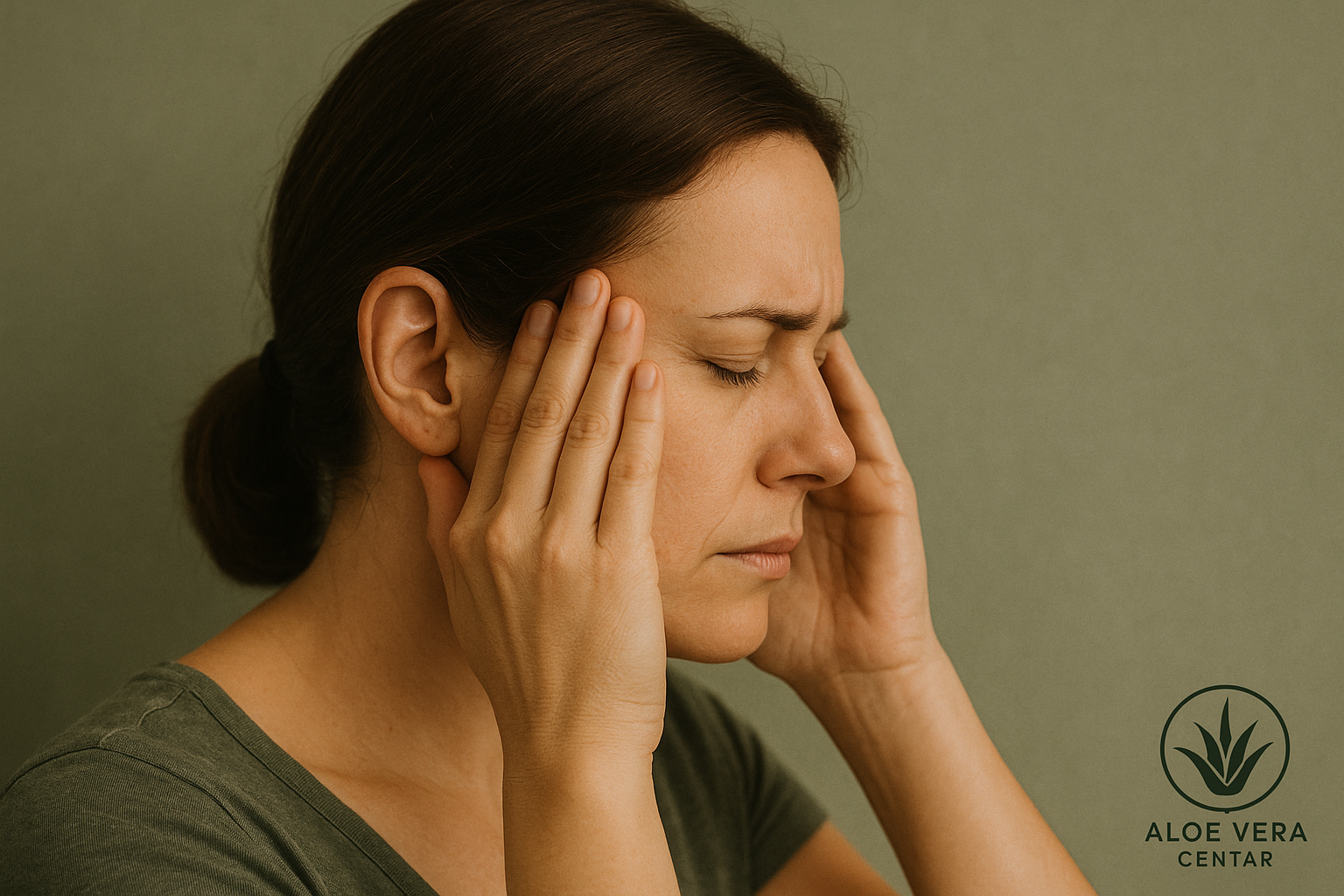
Migraine is not just a stronger headache. The NHS describes it as a throbbing pain, often on one side of the head, with nausea and sensitivity to light and sound. An attack usually lasts from 4 hours to 3 days, and some people have an aura first, such as flashes of light. A tension headache is more often a dull, pressing pain on both sides of the head, without nausea. This is general information, and a doctor makes the diagnosis.
Diary and triggers
- Record the date, duration, strength and symptoms of each attack.
- Note possible triggers: skipped meals, stress, tiredness, too little sleep, too much caffeine or alcohol, and the menstrual cycle.
- Eat at regular times, drink enough water and keep a steady sleep rhythm.
- Move regularly and find a way to reduce stress.
- During an attack, rest in a dark, quiet room.
Painkillers and supplements
The NHS warns against taking painkillers on more than 2 days a week, because this can cause even more frequent headaches. A doctor may suggest preventive options, including medicines, relaxation techniques or vitamin B2. Do not start magnesium, vitamin B2, omega 3 or other supplements on your own. Doses, duration and interactions with medicines should be assessed by a doctor or pharmacist, especially in pregnancy.
When to get help at once
Call emergency services for a sudden, extremely severe headache, weakness on one side of the body or face, trouble speaking, loss of vision, confusion, a seizure, a high temperature with a stiff neck, or a headache after a head injury. Also contact a doctor if an attack lasts longer than 72 hours or an aura longer than an hour.
Sources: NHS.
Common questions
Does magnesium help migraine?
Some doctors suggest it for certain patients, but the dose and suitability must be assessed by a doctor. Do not start it alone, especially with medicines.
How often may I take a painkiller?
The NHS advises no more than 2 days a week, because more frequent use can cause extra headaches. If you need them more often, talk to a doctor.
Before first use
Choose products for your dietary routine and care needs. Follow a healthcare professional’s advice for diagnosis and treatment of symptoms. Check suitability first during pregnancy and for use by children.