Period pain can interfere with work, school and rest. You do not have to simply endure it, but introducing a new supplement combination each cycle is unhelpful. Record when pain begins, its duration, bleeding and its effect on everyday activities. These notes make a discussion with a clinician more useful.
What to prepare at home
You can place a hot water bottle wrapped in fabric on your lower abdomen, using comfortable warmth that does not burn the skin. Try a warm shower and gentle movement if they feel helpful. Prepare a regular meal and rest instead of missing food because of commitments. Ask a pharmacist about suitable pain medicine, especially with other illnesses or medicines.
Magnesium is found in beans, nuts and other foods. This does not establish magnesium supplements and aloe as a proven treatment for cramps. There is no established aloe beverage dose for period pain, and hormonal regulation should not be expected.
Separate food choices from treatment
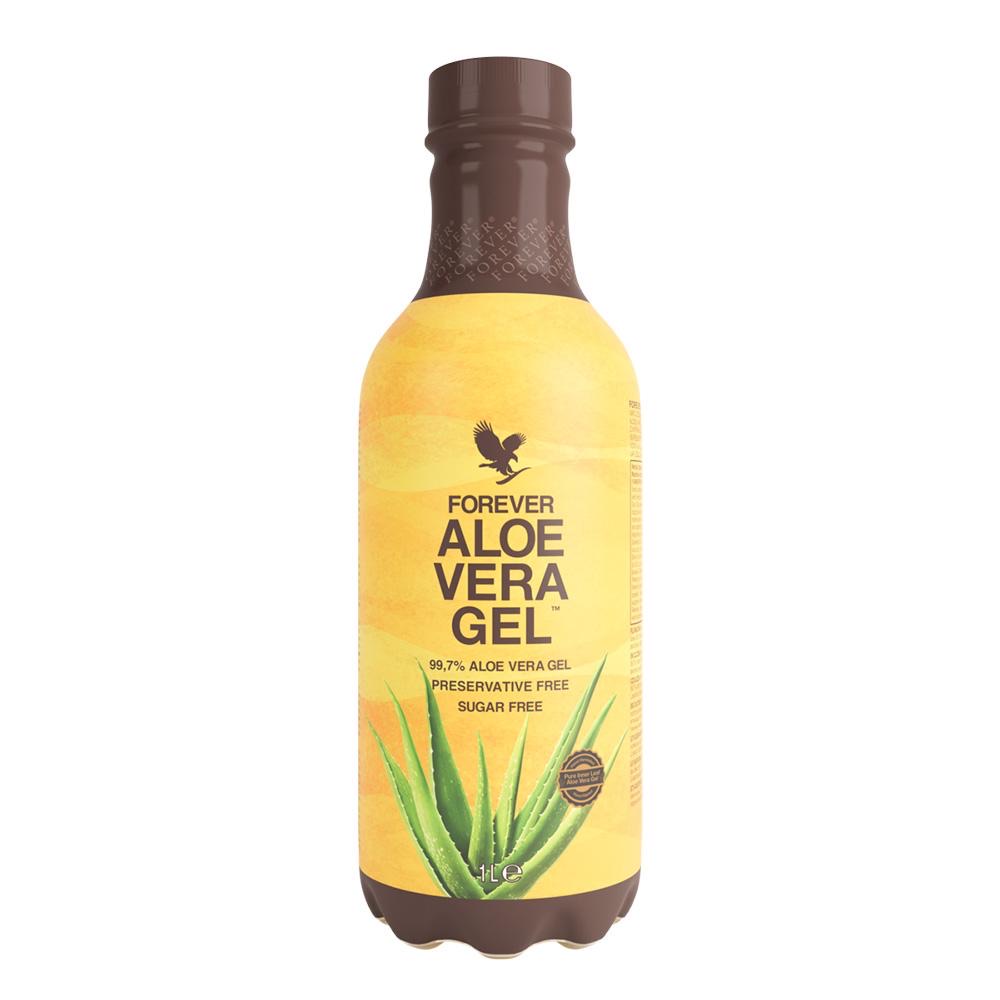
Forever Aloe Vera Gel is available as a beverage if its taste and ingredients suit you. Choose it by the local label as a food product, without promises of reducing cramps or regulating the cycle.
Seek prompt assessment if pain is severe or worse than usual and your usual measures do not help. Arrange an appointment for increasingly painful, heavy or irregular periods, pain during sex or bleeding between periods. If pregnancy is possible, do not automatically attribute new pain to a period.
Sources: NHS NCCIH Forever Living.
Common questions
Is there an aloe dose for period cramps?
There is no established treatment dose for that purpose.
When are cramps more than usual discomfort?
Arrange assessment if they prevent activities, worsen or accompany bleeding changes.
Before first use
Choose products for your dietary routine and care needs. Follow a healthcare professional’s advice for diagnosis and treatment of symptoms. Check suitability first during pregnancy and for use by children.