The phrase net lactose tolerance is not a necessary new diagnosis. With lactose intolerance, there is insufficient lactase enzyme to digest milk sugar, which may cause bloating, gas or diarrhoea. This differs from milk protein allergy; lactose free milk can still contain those proteins.
Prepare your own comparison
If allergy is not suspected and your clinician has not advised otherwise, record which food, amount and accompanying meal you tolerate. Some people manage smaller portions or fermented products better. One uncomfortable day does not establish that every dairy food is forbidden.
When shopping, compare a regular product, its lactose free counterpart and a fortified plant drink. Note calcium, protein and added sugars per equivalent amount. Plant drinks are not all nutritionally identical. Lactase enzyme can help some people, but follow its label; a probiotic is not automatically a substitute.
Check what removing foods has removed
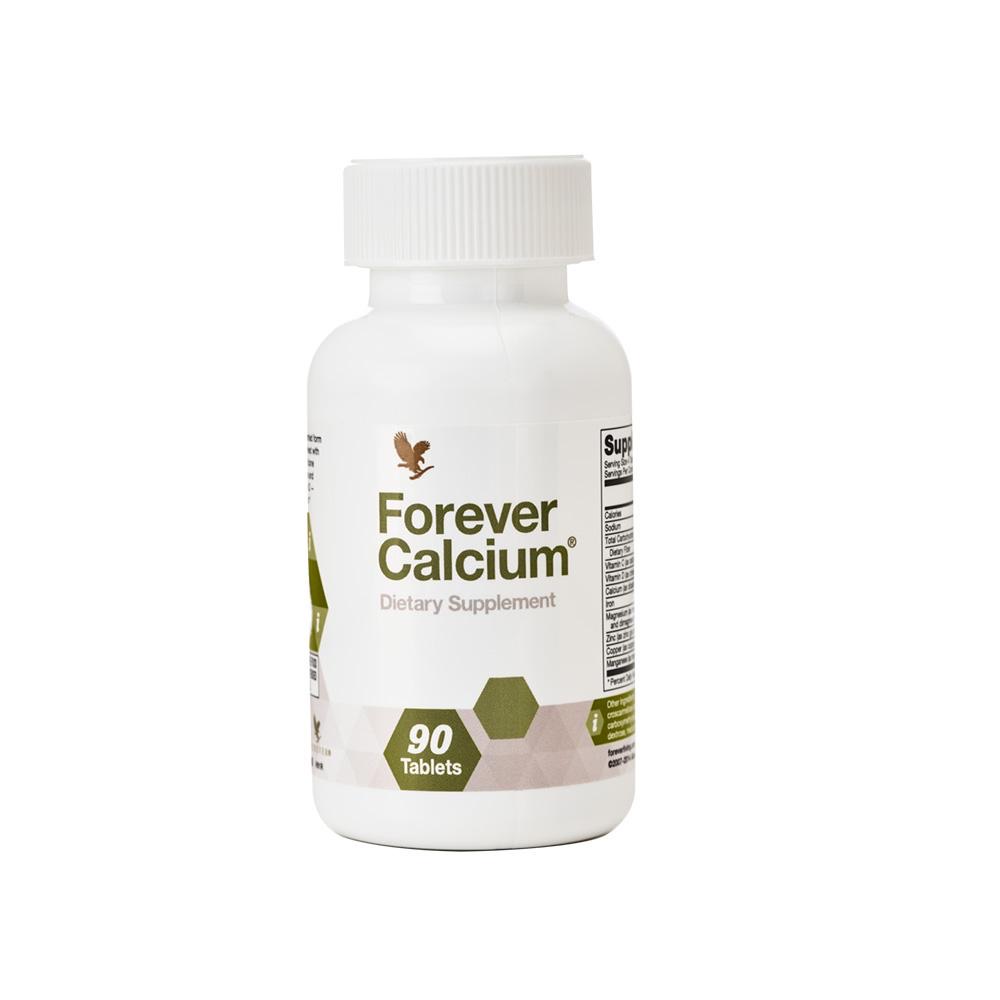
If your overall diet provides insufficient calcium, Forever Calcium is a specific supplement to discuss with a pharmacist for that dietary gap. It is not a lactose digesting enzyme and cannot prevent an allergic reaction. Assess the whole diet rather than the absence of one glass of milk.
Bring a symptom record to your clinician and ask whether the cause needs confirmation or other digestive conditions need investigation. Blood in stools, weight loss or persistent symptoms warrant assessment rather than further expanding restrictions.
Sources: NIDDK NIDDK Forever Living NIH ODS.
Common questions
Is lactose free milk safe for milk allergy?
Not necessarily. It can still contain milk proteins.
Does everyone need a calcium supplement?
No. It depends on the overall diet and individual assessment.
Before first use
Choose products for your dietary routine and care needs. Follow a healthcare professional’s advice for diagnosis and treatment of symptoms. Check suitability first during pregnancy and for use by children.