In this guide
A ketogenic or keto diet is very low in carbohydrates, higher in fat and moderate in protein. When the body gets few carbohydrates, the liver makes ketones from fat, which muscles and the brain use as fuel. This way of eating has medical uses, for example for children with epilepsy under medical supervision, but there is little evidence for long term weight loss.
What to expect at first
Australia's government health service Healthdirect says that the quick early weight loss is largely water. In the first days the so called keto flu is common, with dizziness, tiredness, constipation and difficulty exercising, and headache, nausea, bad breath and dehydration can also occur. Too many ketones in the blood can lead to ketoacidosis, a dangerous condition, so this diet must be managed carefully.
An example of a more sensible week
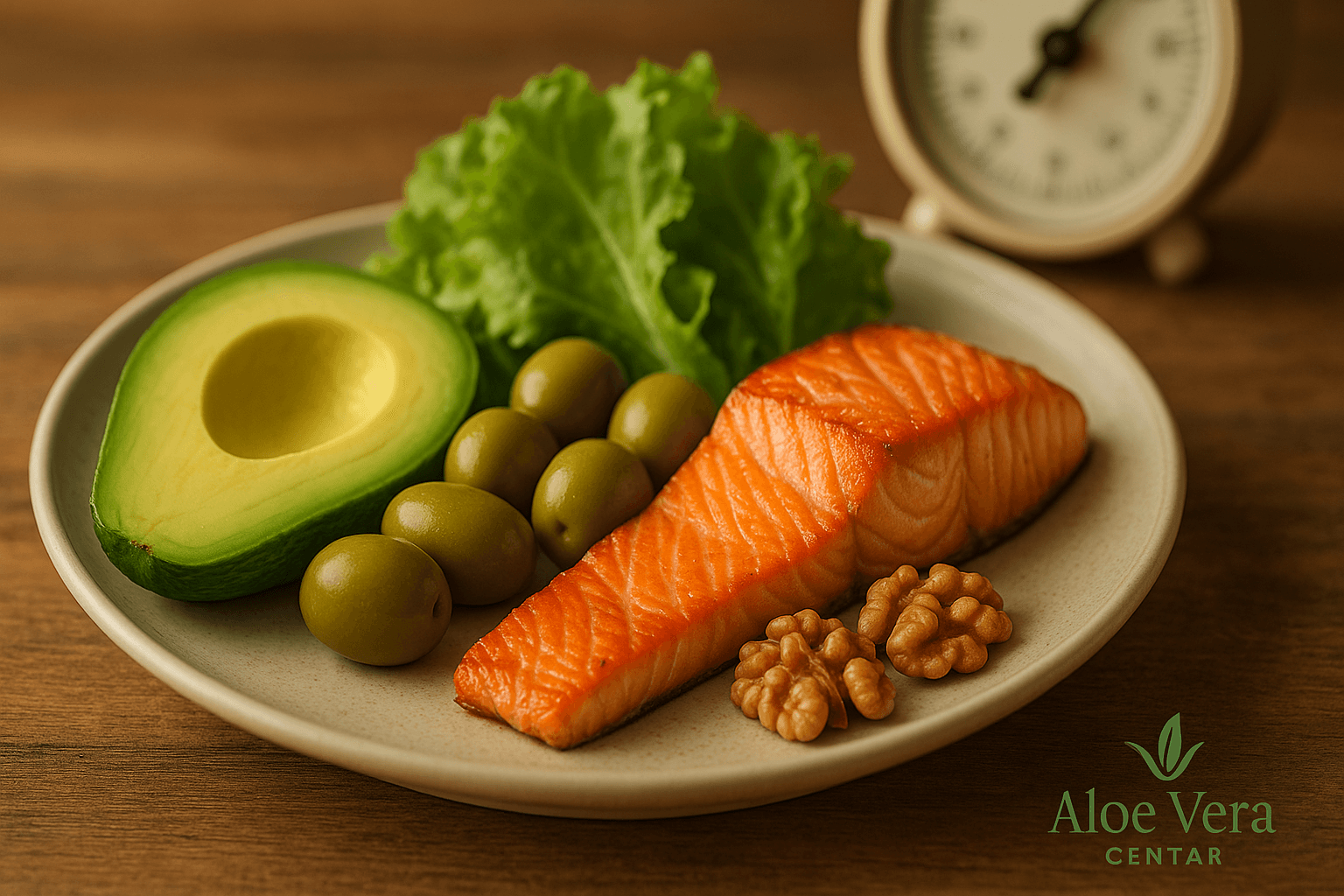
If you decide to try it with professional advice, build meals around low starch vegetables and good protein sources:
- Breakfast: an omelette with spinach and mushrooms, or Greek yoghurt with a few raspberries and seeds.
- Lunch: a large salad with chicken, tuna or eggs, olives and olive oil.
- Dinner: baked fish or meat with broccoli, courgette, cauliflower or chard.
- Snack: a handful of nuts or half an avocado.
- Throughout the week, drink enough water and choose unsweetened drinks.
Watch for hidden sugars in sauces, dressings and processed meat. The WHO recommends limiting salt and saturated fat and choosing unsaturated fats, and this applies to keto meals too. So do not build your week on bacon, butter and processed meat.
Who should be careful
Healthdirect advises talking to a doctor or dietitian before you start, to check that the diet is safe for you and that you get enough fibre, vitamins and minerals. This conversation matters especially if you have diabetes and take medicines for it, have kidney, liver or pancreas disease, are pregnant or breastfeeding, or have had an eating disorder. Children should not start a keto diet without medical supervision.
Sources: Healthdirect Australia World Health Organization.
Common questions
Is a keto diet good for long term weight loss?
There is little evidence for that. Early weight loss is largely water, and what matters more is what you can keep up for years.
Do I need supplements on a keto diet?
Not automatically. A dietitian can check whether you get enough fibre, vitamins and minerals from food and recommend a supplement only if it is really needed.
Before first use
Choose products for your dietary routine and care needs. Follow a healthcare professional’s advice for diagnosis and treatment of symptoms. Check suitability first during pregnancy and for use by children.