Anaemia is not always caused by iron deficiency. A clinician interprets blood counts and other results and investigates causes such as blood loss or poor absorption. Buying another supplement can delay an important assessment.
Clarify what you take
Distinguish the weight of the compound from the amount of elemental iron on the pack. Agree dose, frequency and duration from your results rather than a universal online plan. Report nausea or constipation to a clinician or pharmacist instead of stopping treatment or doubling the dose yourself.
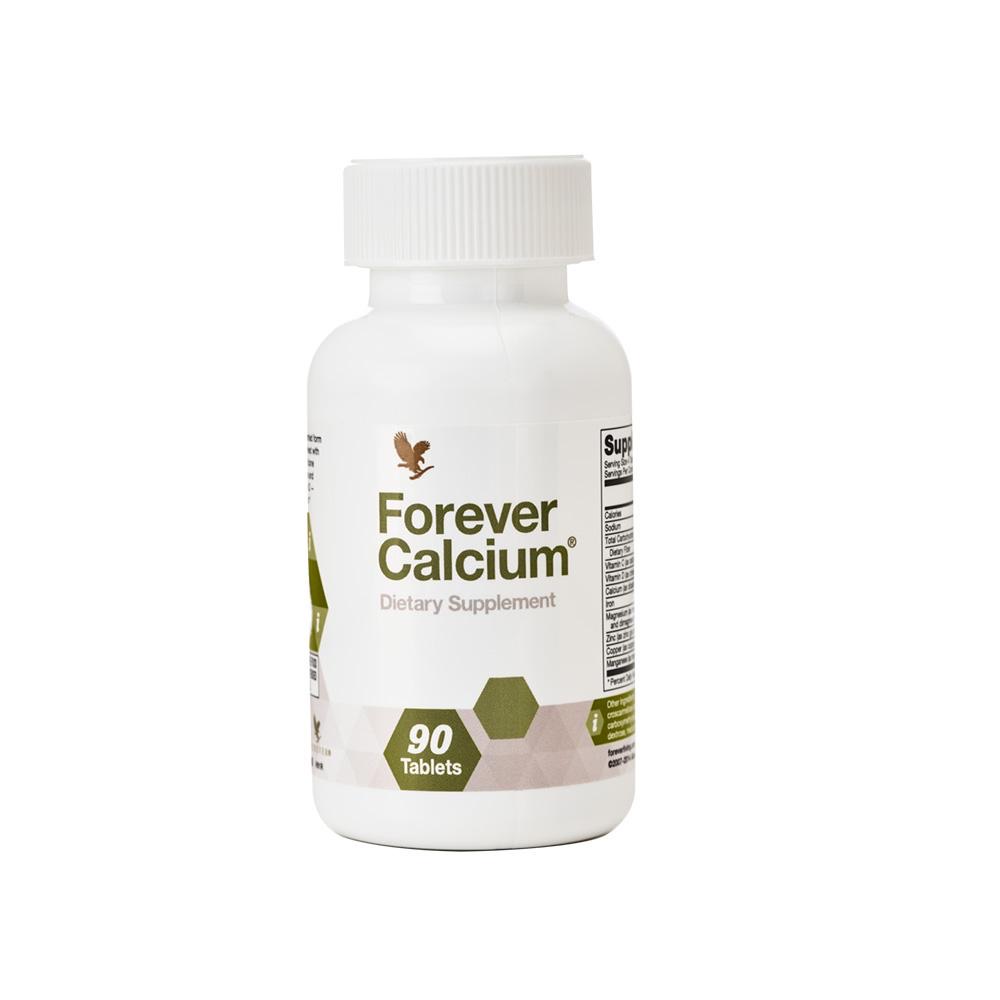
If you already take Forever Calcium, show it to the pharmacist when planning your iron schedule. It is a calcium supplement rather than iron replacement. Other medicines, multivitamins and tea or coffee around the dose also need review. Spacing is not identical for every combination.
Keep the follow up
Feeling better does not establish restored iron stores. Agree when to repeat tests and how long treatment continues. Severe breathlessness, chest pain or fainting needs immediate help. Keep iron out of children’s reach.
Bring the preparation name, strength, actual frequency and troublesome symptoms to follow up. Tell your clinician if constipation or nausea makes you skip doses, because this matters for adjusting the plan. Stool darkening can complicate interpretation; do not independently dismiss a new tarry stool or weakness as simply the tablet. Ask which changes are expected and which require earlier contact with the team.
Sources: NHS NIH ODS Forever Living.
Common questions
Can I take iron just because I feel tired?
Speak with a clinician first because tiredness has many possible causes.
Does calcium treat anaemia?
No. Calcium is not iron replacement and belongs in the schedule review.
Before first use
Choose products for your dietary routine and care needs. Follow a healthcare professional’s advice for diagnosis and treatment of symptoms. Check suitability first during pregnancy and for use by children.