

The key points from this article
- Iodine is a small mineral with big consequences.
- We often notice it only when the body starts to "shut down".
- For a personal choice, continue with a recommendation after reading.
Products most closely related to this topic
If you want to compare concrete options after reading, these products are the closest match to the article topic.
 Forever Fiber - FIBER
A simple fiber add-on when you want digestion and satiety support during the day.
It fits topics such as appetite, portions, energy or a weight-management routine. Forever Nature Min
Mineral support when you want an easier way to care for bones and daily nutrition.
Useful to compare when joints, bones or mobility are the topic.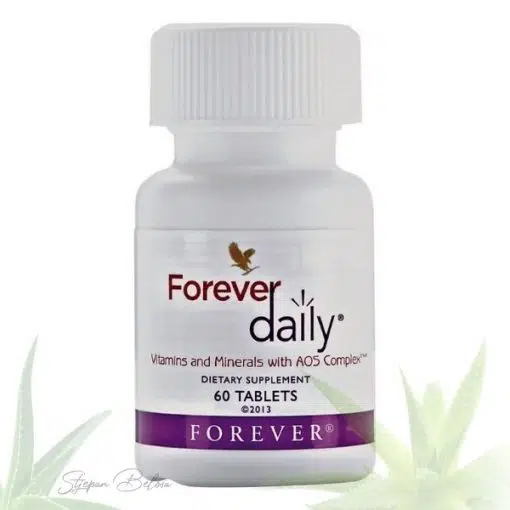 Forever Daily
Daily vitamin support when you want a steadier immunity, energy or nutrition routine.
Connected with daily support for immunity, energy or baseline nutrition.Iodine: deficiency, symptoms, risks and what to ask the doctor
Iodine is a small mineral with big consequences. We often notice it only when the body starts to"shut down". Fatigue becomes everyday. The skin becomes dry. The weight is easier to collect. And suddenly we ask ourselves:"What is happening to me?"
What many people don't know is this. Iodine deficiency can act silently. It can hide behind symptoms that we attribute to stress, age or poor sleep. And the thyroid gland, which controls the speed of your"inner engine", doesn't like a deficit.
In this article you will get a clear overview. You will learn the most common symptoms and risks. You will see who is particularly sensitive. You will receive a handy list of questions for the doctor. And you'll get steps you can apply today.
Why iodine is important and where in the body it is"used up"
Iodine is essential for the production of thyroid hormones. These two hormones affect energy, body temperature and mood. They also affect the work of the heart. They also affect digestion. They also affect the skin, hair and cycle.
The thyroid gland uses iodine as"raw material". Without iodine, it cannot work stably. Then the metabolism slows down. Then the body gets tired more easily. Then the concentration suffers.
You may be wondering why this is so important. Here's the thing. Thyroid hormones affect almost every cell. That is why iodine deficiency can be shown in several ways.
If you want a broader overview of needs and resources, a guide on the topic is usefulthyroid iodine.
Iodine deficiency: the most common symptoms that people ignore
Symptoms are often not dramatic. They are often"grey". That's exactly why they take too long. And then they create additional stress.
Typical symptoms of iodine deficiency
- fatigue and lack of energy
- feeling cold, even when others are not cold
- dry skin and brittle nails
- weaker concentration and"fog in the head"
- slow digestion and tendency to constipation
- mood swings and irritability
- weight gain for no apparent reason
- neck sensitivity or feeling of a"lump"in the throat
It is important to know one thing. These symptoms are not evidence of iodine deficiency. They can also occur with other conditions. But they are a good signal to check.
What can be seen on the skin, hair and nails
The skin may become rough. Hair may become thinner. Nails can be flipped. It may be thyroid related. It can also be related to nutrients.
In practice, iodine deficiency and other deficits often overlap. Vitamin D deficiency is also common. If in doubt, it is good to know the signs described in the guidevitamin D3 deficiency.
Who is at greater risk of iodine deficiency?
Not everyone takes the same risk. Some diets and life stages carry a greater risk. That's why it's important to look at the bigger picture.
Groups with higher risk
- pregnant and nursing women
- people who do not use iodized salt
- people who avoid fish and seafood
- vegan and strictly vegetarian dietary patterns
- people with thyroid diseases
- people with frequent food restrictions
Pregnancy is particularly sensitive. Iodine is important for fetal brain development. Because of this, the needs may increase. During this period, you don't go to"your own doctor". Clear arrangements are made with the gynecologist.
The risks of iodine deficiency and what can happen in the long term
Fatigue is often felt in the short term. More serious problems may develop in the long term. The work of the thyroid gland is especially important here.
The most common consequences
- thyroid function disorders
- enlargement of the thyroid, or throat
- elevated cholesterol with slow metabolism
- fertility and cycle problems
- tends to recover energy and mood
Sound too good to be true? Continue reading. Because there is another side to the story. Too much iodine can also be a problem. Especially with a sensitive thyroid.
How much iodine do you need and can too much be harmful?
The required amount depends on age and stage of life. The safest approach is to rely on the recommendations of professional institutions. And to rely on the laboratory image, when it is needed.
A review of recommendations, sources and intake limits explains in detailNIH ODS fact sheet on iodine.
Too much iodine can trigger thyroid problems. This can also happen with iodine drops. This can also happen with algae. This can also happen with too frequent"detox"protocols.
That's why the rule applies. If you have symptoms, check your condition. If you plan to take a supplement, discuss it with your doctor. This is especially important with Hashimoto's or knots.
How is iodine deficiency diagnosed?
One test rarely gives the whole picture. Doctors usually combine interview, symptoms and laboratory. Sometimes a thyroid ultrasound is also done.
The most common verification steps
- TSH, fT4 and, if necessary, fT3
- thyroid antibodies, as assessed
- thyroid ultrasound, as needed
- assessment of diet and habits
Iodine can also be assessed through urine. This is more often used in population analyses. In individual practice, the whole picture is important. This includes symptoms.
If you have long-term stress, the symptoms may increase. Cortisol affects sleep and energy. That's why it helps to understand the topicstress and cortisol.
Food sources of iodine and practical habits
The most famous tool is iodized salt. But it is not the only source. Good sources are also fish. There is also seafood. There are also dairy products, depending on the diet.
Practical advice without complications
- make sure you use iodized salt
- if you eat fish, aim for 1 to 2 times a week
- do not rely on algae without professional guidance
- do not skip protein and stable meals
One of the simplest ways is to assemble a stable"plate". This reduces energy oscillations. A good frame explains the textHow to stack a plate.
Supplementation: when it makes sense and when it doesn't
The supplement is not a"shortcut"for everyone. But it can be useful. Especially when the diet does not cover the needs. Especially when there are food restrictions.
The key is to distinguish between two things. One is targeted intake of iodine. Second is general nutritional support. That support can help the body function better. But it should not replace diagnostics.
If you want mineral support with your diet, some chooseForever Nature Min as a supplement to daily habits.
Many choose a multivitamin frame for their daily routine. This can be practical in busy phases. One example isForever Daily.
A clear sentence is important here. Do not assume the iodine content of the product. Always read the declaration. If you have thyroid disease, ask your doctor. This also applies to"natural"options.
What to ask the doctor when you suspect iodine deficiency
A doctor's appointment is an opportunity for clarity. But people often come unprepared. Then they forget half the question. That's why it's useful to have a list.
Questions worth asking
- What are the most likely causes of my symptoms?
- What laboratory findings do you recommend and why?
- Do I need a thyroid ultrasound?
- Does the iodine check make sense in my case?
- What iodine intake is safe for me?
- Are there medications or conditions that change the needs?
Do you want faster preparation for the interview? You can put together a short summary of the symptoms. Record the duration and intensity. Add eating habits. Also add the supplements you take.
A common pitfall: iodine and thyroid are not always a"simple pair"
The public often hears:"Take iodine and you will get rid of the thyroid gland."That can be dangerous. Especially in autoimmune conditions. Especially with excessive intake.
According to reviews in educational sources, both deficiency and excess can create a problem. That's why dosage is important.
Another trap is this. People try to"raise energy"with supplements. They forget about sleep and stress. They forget to move. They forget about meals.
You don't need a perfect plan. You need a sustainable plan. If you want to further understand the connection between habits and fatigue, practical symptoms are also describedHealthline article on symptoms of iodine deficiency.
A small protocol for 14 days: how to organize without panic
This is not a diagnosis. This is a framework that can help you. The goal is to get data. The goal is to reduce chaos.
1) Monitor symptoms
Write down your energy in the morning and in the afternoon. Write down the dream and the awakenings. Record the digestion. Write down the mood.
2) Check the salt and the main sources of iodine
See if the salt is iodized. Look at how often you eat fish. See if you have too much algae. See if you are taking iodine drops.
3) Stabilize meals
Add protein to your breakfast. Add fiber to your lunch. Add a healthy fat to your dinner. The goal is calm energy.
4) Arrange an inspection
If symptoms persist, don't wait. Ask for a thyroid evaluation. Bring notes. It speeds up the conversation.
Frequently asked questions
How do I know if I have an iodine deficiency?
One cannot be sure by the symptoms. Assessment and lab required. Talking to your doctor is the best first step.
Can I take iodine drops on my own?
This is not recommended. Too much iodine can worsen thyroid conditions. Especially in autoimmune diseases.
Is iodine important in pregnancy?
Yes, needs often grow. Iodine is important for child development. Supplementation is agreed with the gynecologist.
Can too much iodine cause symptoms?
It can, especially with a sensitive thyroid. That is why dosing and monitoring are important."More"does not mean"better".
Conclusion: clear steps bring peace
Iodine deficiency is more common than we think. Symptoms are often silent. That's why they are easily overlooked. But the solution is not to panic. The solution is a check and a smart routine.
Start with notes and nutrition. Then make a lab. Then talk to your doctor. So you get a plan that is safe and personal.
If you want a quick orientation about habits and accessories, you can use oursAI advisors and prepare review questions.
For inspiration on how modern technology and AI are used to build a global online business, read the article"How this couple is building a global business with AI and working 95% online".
Note: This article is for informational purposes only and is not a substitute for professional medical advice. If you have more severe symptoms, chronic diseases or therapy, consult a doctor or qualified professional.
Products most closely related to this topic
If you want to compare concrete options after reading, these products are the closest match to the article topic.
Forever Fiber - FIBERA simple fiber add-on when you want digestion and satiety support during the day.
It fits topics such as appetite, portions, energy or a weight-management routine.Forever Nature MinMineral support when you want an easier way to care for bones and daily nutrition.
Useful to compare when joints, bones or mobility are the topic.Forever DailyDaily vitamin support when you want a steadier immunity, energy or nutrition routine.
Connected with daily support for immunity, energy or baseline nutrition.Short answers that help
If you are still comparing options, these are the points worth checking before you continue.
What should I take from this article?
Use it to understand the topic in practical terms and compare it with your current routine, needs and next step.
When does it make sense to ask for a recommendation?
Ask when the topic feels relevant, but you are not sure which Forever Living Products product or routine fits you best.
Does this article replace professional advice?
Iodine deficiency: symptoms, risks and questions for the doctor is educational content. For medical conditions, medication, pregnancy or persistent symptoms, include qualified professional advice.
Describe what you want to achieve
If you do not know which product to choose, write your goal, habits or doubts and get a more concrete suggestion.
Recommended products



Related articles to keep exploring