In this guide
Haemorrhoids, or piles, are swollen blood vessels in and around the anus. They can cause itching, pain, a feeling of pressure and bright red blood after a bowel movement. The NHS notes that they often get better on their own within a few days. Local care and softer stools ease symptoms, but bleeding from the bottom should always be taken seriously.
Local care step by step
- Sit in a warm bath or a bowl of warm water a few times a day, especially after a bowel movement.
- Keep the area clean and dry, and pat the skin dry after washing rather than rubbing.
- For discomfort, briefly apply an ice pack wrapped in a cloth.
- Ask a pharmacist about a cream, ointment or suppositories. NIDDK notes that these are usually used for about a week, and if they do not help or cause a rash, see a doctor.
- Wear cotton underwear that is not too tight.
Softer stools and less straining
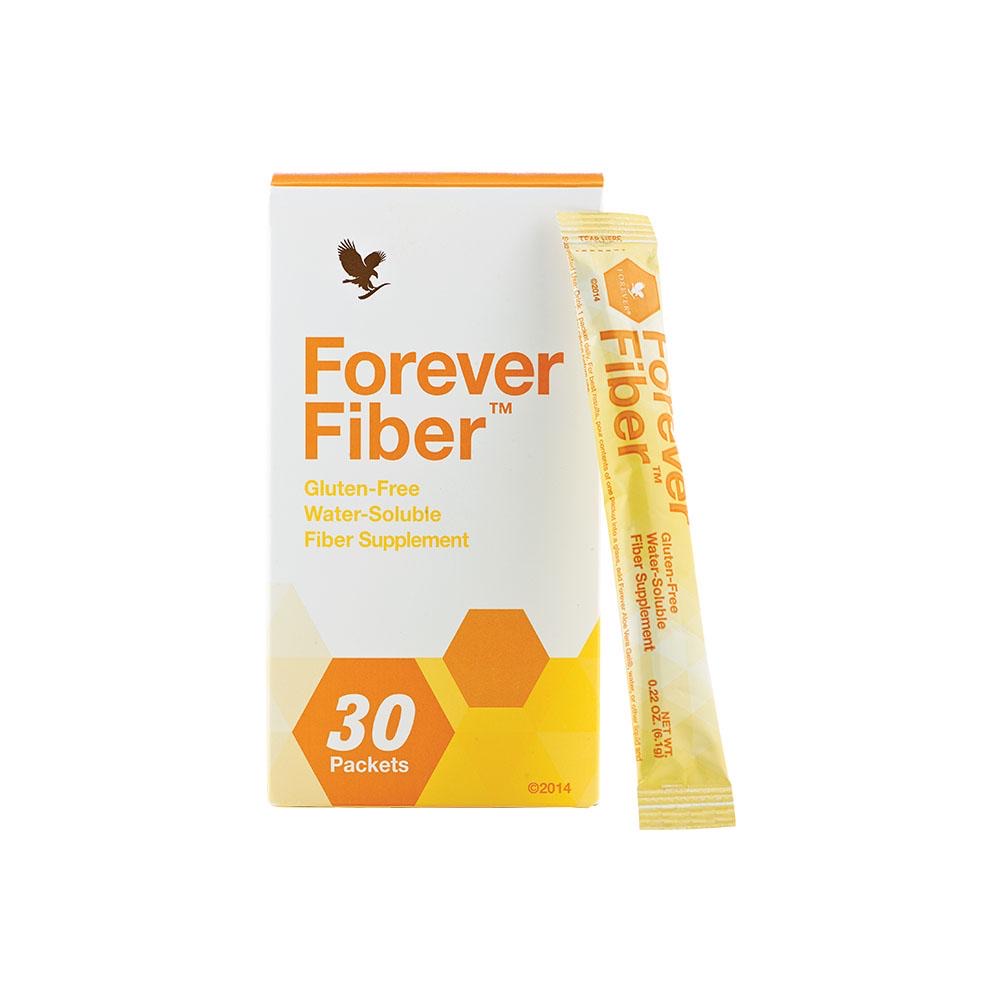
Eat fibre-rich foods such as vegetables, fruit, pulses and whole grains, and drink enough fluids. Do not put off going to the toilet, do not strain and do not sit on the toilet for long, for example with your phone. NIDDK notes that a fibre supplement may also help. If you do not get enough fibre from food, Forever Fiber, a supplement with about 5 grams of fibre per sachet, can be an optional way to top up your fibre intake. Ask a pharmacist before use if you take medicines or have a bowel condition.
What about aloe vera
Aloe vera is not part of the standard NHS and NIDDK advice for haemorrhoids. Do not put a cosmetic gel into the anal canal or on open or bleeding wounds. If you still want to use one on the skin around the anus, ask a pharmacist first and stop if stinging or a rash appears.
When to see a doctor and when it is urgent
See a doctor if symptoms get worse or do not improve with home care, or if haemorrhoids keep coming back. Get help promptly if you have painless bleeding from the bottom, pus leaking from the haemorrhoids or a high temperature. Seek emergency care if bleeding does not stop, if there is a lot of blood or large clots, if you are in severe pain, or if severe pain and bleeding come with tummy pain, diarrhoea or fever.
Sources: NHS NIDDK Forever Living.
Common questions
Can aloe vera cure haemorrhoids?
No. Aloe vera is not part of the standard advice for haemorrhoids. The basis is a warm bath, hygiene, fibre and, on a pharmacist's advice, a cream or ointment.
Is blood after a bowel movement always from haemorrhoids?
Not necessarily. Bright blood often comes from haemorrhoids, but painless bleeding, repeated bleeding or a change in bowel habits need a check by a doctor.
Before first use
Choose products for your dietary routine and care needs. Follow a healthcare professional’s advice for diagnosis and treatment of symptoms. Check suitability first during pregnancy and for use by children.