Serotonin, dopamine, endorphins and oxytocin are often called happiness hormones. No food or supplement raises them all at once. Mood is shaped by daily habits, so that is a good place to start.
Movement and people
WHO recommends at least 150 minutes of moderate activity a week for adults, and regular activity reduces symptoms of depression and anxiety. The NHS lists five steps for mental wellbeing: connect with others, be active, learn new skills, give to others and pay attention to the present moment.
Food, sleep and light
Choose a varied plate: legumes, whole grains, nuts, vegetables, fruit and oily fish. Limit sweets and too much coffee, because sudden energy spikes often bring a mood dip. Sleep regularly and get daylight.
A simple weekly plan
- Walk briskly for 30 minutes, five days a week.
- Eat oily fish or legumes twice a week.
- Have one real conversation or meet-up every day.
- Go to bed and get up at similar times.
- Go outside for at least 15 minutes in the morning.
Start with one change a week. That way a habit becomes routine more easily, and you note what really does you good.
At the end of the week write down one thing that lifted your mood and keep it in your plan.
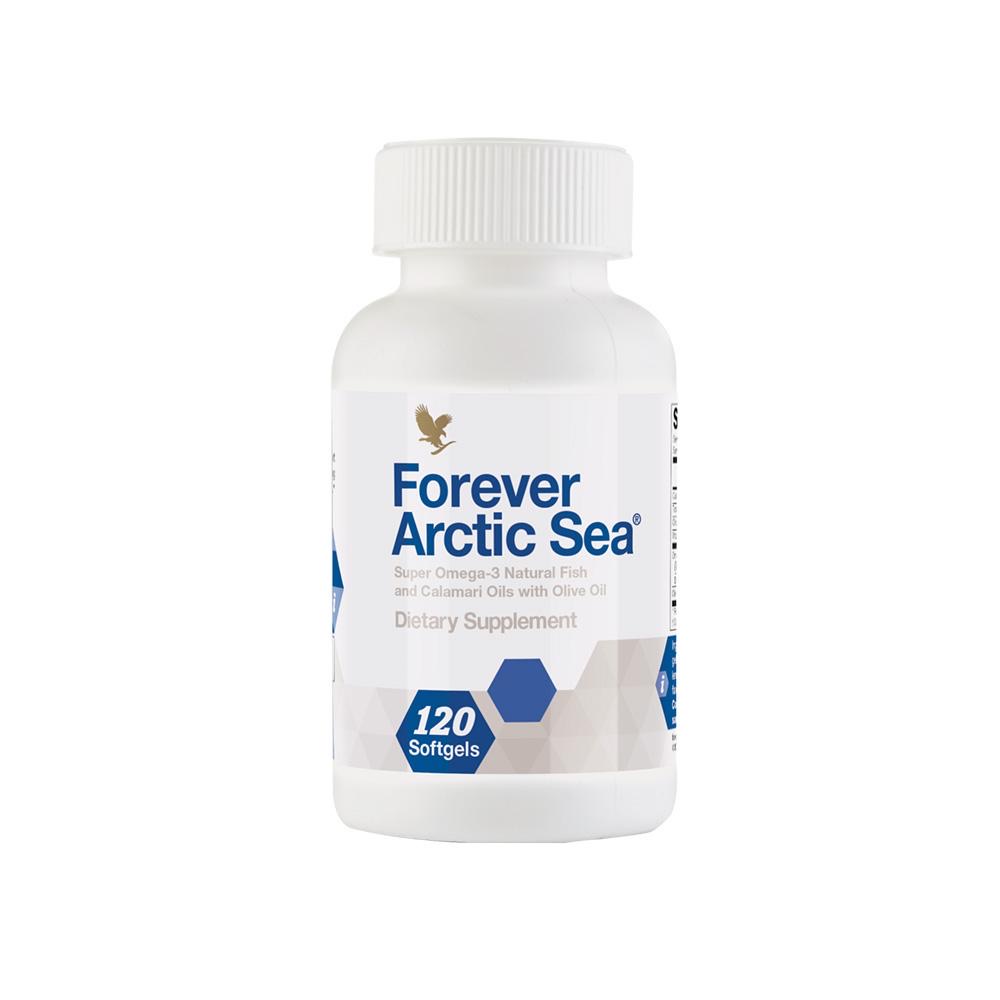
If fish is rare on your menu, an omega-3 supplement such as Forever Arctic Sea can complement your diet, but it does not replace habits. If low mood or anxiety does not ease within a few weeks, see a doctor. This text does not replace treatment.
Common questions
Can food raise my happiness hormones?
No single food does that. A varied diet, regular meals and fewer sweets support steadier energy.
When should I see a doctor?
When low mood, anxiety or loss of interest lasts several weeks or interferes with daily life.
Before first use
Choose products for your dietary routine and care needs. Follow a healthcare professional’s advice for diagnosis and treatment of symptoms. Check suitability first during pregnancy and for use by children.