The key points from this article
- Habits that weaken nails are often so small that you don't even notice them during the day.
- You may be wearing perfectly painted hands, but the nail polish is peeling on the second day.
- For a personal choice, continue with a recommendation after reading.
Products most closely related to this topic
If you want to compare concrete options after reading, these products are the closest match to the article topic.
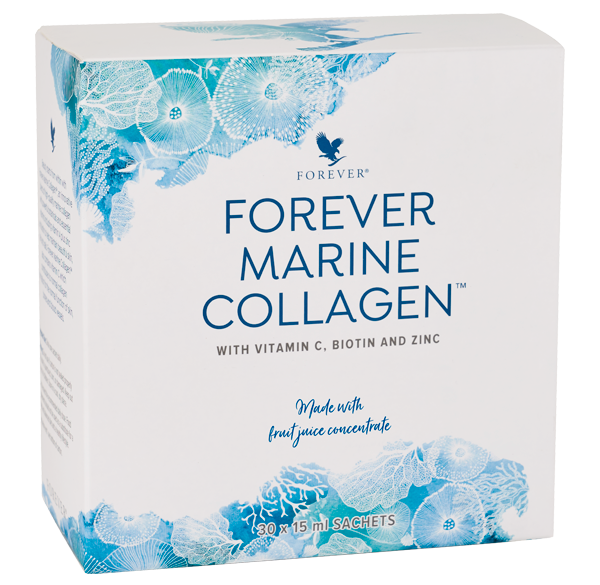 Forever Marine Collagen
A good fit when the goal is a routine for skin, hair, nails or joint-support habits.
Closest to a care routine for skin, hair or everyday personal care.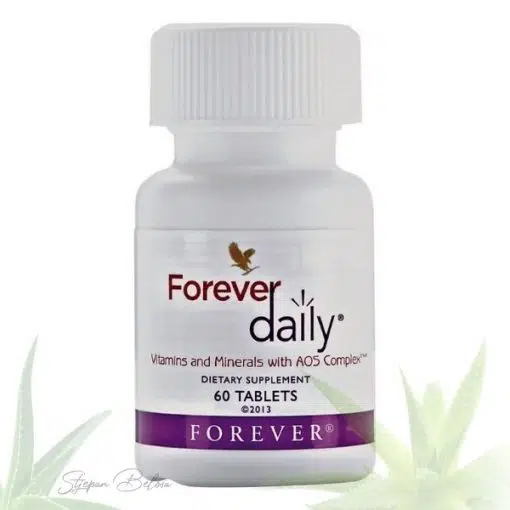 Forever Daily
Daily vitamin support when you want a steadier immunity, energy or nutrition routine.
Connected with daily support for immunity, energy or baseline nutrition.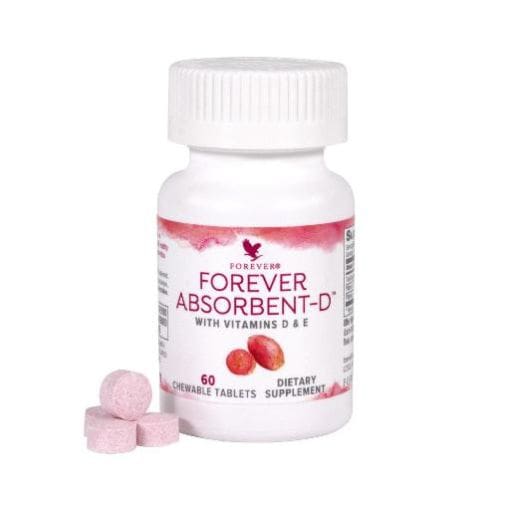 Forever Absorbent D
A simple fiber add-on when you want digestion and satiety support during the day.
It fits topics such as appetite, portions, energy or a weight-management routine.Habits that weaken nails: top list of the most common mistakes and how to avoid them
Habits that weaken nails are often so small that you don't even notice them during the day. You may be wearing perfectly painted hands, but the nail polish is peeling on the second day. Maybe your nails break in the same place. Or they leaf out as soon as they grow a little longer. If this happens to you regularly, you are not alone.
Nails are a reflection of general health, but also of your daily choices. The good news is that most nail problems are pretty much fixable. The key is to recognize the habits that weaken your nails and replace them with smarter steps. Below we provide a detailed guide through the most common mistakes and specific ways to avoid them.
Why are nails so sensitive?
Nails are made of keratin. It is the same protein that builds hair and the top layer of skin. Although they look solid, nails are actually porous. They absorb water, chemicals and products you put on your hands. That's why they are strongly affected by washing, cleaning and everything you do during the day.
Professional sources state that nail brittleness is most often associated with frequent urination and drying of hands and aggressive cleaning agents. Such habits change the moisture balance in the nail plate and make it more fragile. He writes about this in more detail iresearch on brittle nails.
Brittle nails are sometimes related to thyroid health, iron deficiency, or other nutrient deficiencies. That's why we always look at the big picture. Habits that weaken nails can be external or internal. This article focuses on habits you can change today.
Top habits that weaken nails
1. Wetting your hands too often and using aggressive cleaning agents
Every time you dip your hands into detergent without gloves, your nails undergo a mini endurance test. Water expands the nail plate. Drying is again more expensive. You keep repeating that cycle. The result is scrolling and shooting.
If we add to that cleaning agents, soaps with strong surfactants and warm long-term baths, the nails become even more sensitive. Studies show that frequent exposure to detergents and solvents significantly increases the risk of brittle nail syndrome. Dermatological reviews describe brittle nail syndrome and its association with chemical irritants.
The practical solution is simple. Wear gloves for household chores. Choose a milder soap and avoid long soaks in hot water whenever possible.
2. Using nails as tools
You open the can with your fingernails. You scrape the sticker off the surface. Scratch styrofoam or cardboard. The nails"remember"all that. The mechanical force always cracks first in the weakest part of the plate.
Even if you have strong nails, constantly using your nail as a mini screwdriver leads to micro cracks. Over time, they turn into larger fractures or split ends. Use a tool instead of nails. The key to preserving your nails is to stop treating them as a tool and start treating them as part of your body care.
3. Biting nails and cuticles
Nail biting is not only an aesthetic problem. It damages the nail plate, the cuticle and the skin around it. This opens the way for bacteria and fungi. Nails become uneven, tear easily and grow irregularly.
Expert articles state that nail biting increases the risk of inflammation around the nail, but also of the spread of microorganisms from the mouth to the skin of the hands. If this habit is your way of reducing tension, try replacing it with a better ritual. Examples are stress balls, short deep breathing or a ballpoint pen in your hand instead of a nail in your mouth.
4. Frequent varnishing and aggressive varnish removers
The nail polish itself is not necessarily the problem. The main problem arises when you constantly wear nail polish without a break. An even bigger problem is when you remove it with acetone removers several times a week.
Acetone dries out the nail plate and cuticle very much. Nails become dull, rough and sensitive. Professional texts on nail health point out that it is important to limit the use of aggressive removers and to choose acetone-free formulas whenever possible.
Always leave your nails without polish for at least a few days between manicures. During this period, take care of them with oil and cream. You will see the difference after just a few weeks.
5. Gel, acrylic and improper removal of artificial nails
Gel and acrylic may look perfect, but the natural nails underneath often suffer. Especially when the treatments are done too often or when the gel is removed by rougher filing and scraping.
Improper removal of the gel literally"takes"the upper layers of the nail plate. Then the nails look like paper. They are rough and bend. Experts recommend taking breaks between cycles of artificial nails and professional removal rather than pulling or peeling layers at home.
If you already like gel or acrylic, agree with the beautician on cycles in which the nails can"breathe". In addition, introduce targeted care and quality supplementation for regeneration.
6. Neglecting cuticles and hand hydration
The cuticle protects the root of the nail. When you cut it too deeply, jerk or push aggressively, you open the door to inflammation. Dry, cracked skin around the nail is one of the first signs that the protective barrier is suffering.
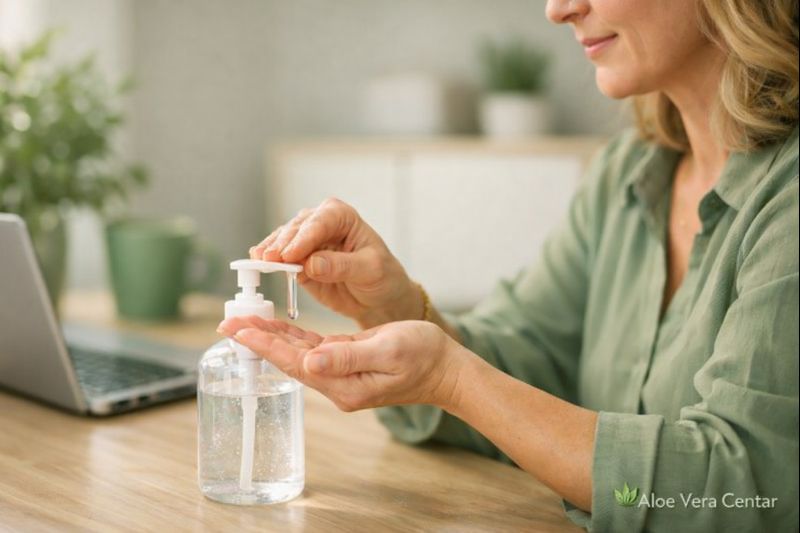
Hand and nail care is incomplete without a quality cuticle cream and oil. You can find more details about the role of hydration in hand care in the product articlemoisturizing hand cream with aloe vera and olive oil.
The best time for cuticle care is in the evening before going to bed. Then the product can work for several hours without frequent hand washing.
7. Poor diet, lack of proteins and micronutrients
Nails are living tissue. Protein, iron, zinc, group B vitamins and essential fatty acids are needed to build quality keratin. When the diet does not cover these needs for a long time, the nails become thinner and more prone to cracking.
Research shows that a lack of biotin and certain B vitamins can be associated with brittle nails. In one study, biotin supplementation improved nail thickness and strength in most subjects. The paper published in the database describes more about itPubMed, which studies the effect of biotin on brittle nails.
Practically this means the following. Include eggs, nuts, seeds, legumes and quality sources of protein in your daily diet. Consider a high-quality multivitamin supplement if your diet often"bursts"under obligations.
8. Dehydration and too little liquid
Nails do not like extremes. Not too much moisture on the outside, not too little moisture on the inside. When you drink too little liquid during the day, the whole skin becomes drier. This includes nails.
Optimal water intake depends on your body weight, activity and climate. But most adults drink less than they think. Drink water, herbal teas and drinks without added sugar more often. This helps your nails and energy during the day.
9. Chronic stress and lack of sleep
Long-term stress affects circulation, hormones and eating habits. All this indirectly affects the nails as well. Under stress, we bite our nails more often,"pluck"our skin or forget to take care of ourselves.
Lack of sleep slows tissue regeneration. Nails grow more slowly and react more easily to external stimuli. The introduction of short evening rituals of relaxation and regular sleep can also be seen in the quality of the nails after a few months.
How to strengthen nails step by step
Once you've identified the habits that weaken your nails, it's time for a new plan. Small changes in routine often make the biggest difference. Start with one or two new steps and gradually add the rest.
1. Protect nails in contact with water and chemicals
Use gloves for cleaning. Choose a model that fits you well to really wear them. Choose milder liquid soap for hand washing. After washing, gently tap with a towel instead of aggressive rubbing.
Before major household chores, apply a little cream to your hands and nails. This creates a thin protective film. After work, boost hydration again. This simple step is often enough to reduce the scrolling within a few weeks.
2. Introduce proper filing and shorter length
Nails of medium length are more resistant to shocks. If they break frequently, shorten them for a few weeks and allow them to strengthen. File in one direction, with gentle pressure, with a finer file.
Avoid metal files and rough sawing back and forth. This creates small cracks that later turn into larger fractures. The slightly rounded shape of the tip of the nail is usually the most stable in everyday life.
3. Focus on nutrition and targeted supplements
A stable intake of protein, iron, zinc, biotin and vitamin D is important for healthy nails. If you are often tired and have weak nails, talk to your doctor about blood tests. Sometimes it is necessary to correct anemia or other deficiencies.
As support for a balanced diet, many choose a multivitamin like productForever Daily. Such complexes combine key vitamins and minerals in one daily dose. Of course, a supplement does not replace a quality diet, but it can fill in the gaps during busy periods.
Collagen is another important part of the nail story. Collagen peptides help the structure of skin, hair and nails. One of the options is a potionForever Marine Collagen. In combination with vitamin C and other ingredients, it supports collagen synthesis and tissue elasticity.
For additional information on the role of minerals in nail health, you can read the articlesilicon for bones, hair and nails. Silicon is often overlooked, and can be an important piece of the puzzle for weak nails.
4. External care with aloe vera and mild preparations
Regular nail and cuticle care helps restore the protective barrier. Gentle creams and gels with aloe vera soothe the skin, hydrate and reduce redness. If you are interested in what a detailed routine looks like, check out the articlenail transformation with aloe.
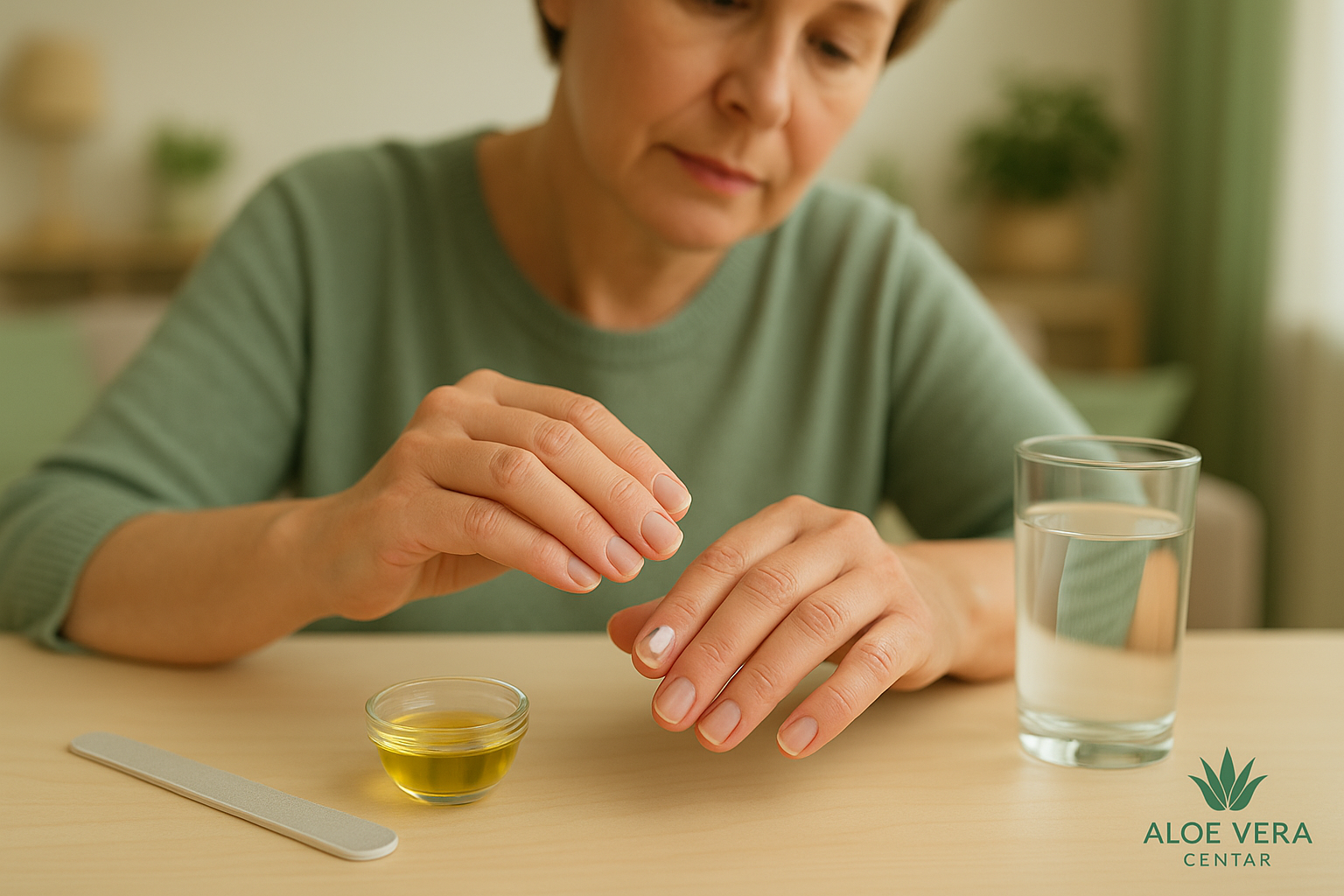
A simple ritual can look like this. In the evening, gently massage the oil or cream into the nails and cuticles. Once or twice a week, add a gentle exfoliation of the skin of the hands, but avoid harsh formulas on the nail plate itself.
5. Plan your gel and polish wisely
If you like nail polish, invest in a quality base that protects the plate. Give your nails occasional"bare"days without polish. During this period, increase care and nutrients.
For gels and acrylics, agree with the beautician on cycles in which there is a break. It is important that the removal is gentle and professional. If you want more detailed recommendations for skin and nail care around already existing treatments, you can find inspiration in the articleanti age approach to slow skin aging. Many of the steps here can also be adapted for hands.
6. Use the power of personalized recommendations
Every person's everyday life is different. This is why personalized advice on choosing supplements and products helps many. If you want recommendations tailored to your habits, you canuse our AI advisor. He suggests practical steps and products based on your goals and habits.
An example of a daily routine for stronger nails
Start the morning by washing your hands briefly with lukewarm water and mild soap. After drying, apply a thin layer of cream on hands and nails. If you know you're going to have a day with a lot of water and cleaners, prepare your gloves.
Avoid using your nails as tools during the day. When you feel the urge to snack, consciously turn your attention to another activity. Examples are a deep breath, a short stretch or a sip of water.
The evening is the ideal time for targeted care. Massage the nourishing oil or cream around the nail. If necessary, apply a specialized treatment to strengthen the board. If you use nail supplements, take them at the same time every day for a better routine.
When to consider visiting a doctor or dermatologist
Habits that weaken nails are a common cause of the problem, but not the only one. Sometimes brittle nails are a sign of a deeper condition. It could be anemia, a thyroid disorder, or another chronic illness.
Be sure to contact your doctor if, in addition to brittle nails, you also experience fatigue, dizziness, unexpected weight loss, or shortness of breath when exerting yourself. This also applies if the nails change suddenly, indentations, black lines or severe pain appear.
A more detailed examination of the nails and skin can often detect health changes early. This gives you the opportunity to react in time and protect your nails and general health.
Frequently asked questions
Are brittle nails always a sign of vitamin deficiency?
They don't have to be. Nail brittleness is most often caused by a combination of external habits. Examples are water, chemicals and mechanical damage. However, a lack of iron, biotin or other nutrients can further worsen the condition. If you suspect a deficiency, talk to your doctor and get your blood count checked.
How long should the nails get stronger after changing habits?
A fingernail takes about six months to grow completely from root to tip. You can see the first changes after four to eight weeks of consistent care. However, a complete change of structure often requires several months of patient work.
Do nutritional supplements really help with weak nails?
For people who lack certain vitamins or minerals, supplements can be a great help. Studies on biotin and other nutrients show improvements in nail thickness and strength in some subjects. The best result is achieved when you combine supplements with a change in habits and a quality diet.
Can I permanently repair nails damaged by gel and acrylic?
In most cases, yes. It is necessary to stop aggressive treatments for at least a few months. At that time, you should protect your nails with gloves, use care products and, if necessary, include supplements with collagen and vitamins. When the new nail plate grows, the result is more visible and stable.
Conclusion
Habits that weaken nails are often a hidden part of the daily routine. We scratch stickers, wash dishes without gloves, bite our nails while scrolling. When we add up all these small moments, we get nails that break at the slightest impact.
Remember that nails change slowly. Don't expect an overnight miracle. But with consistent care, their appearance will become one of the most beautiful indicators that you have introduced healthier habits into your day.
Note: The content of this article is informative in nature and does not replace the advice of a doctor, dermatologist or other health professional. For any serious or long-term nail problem, consult a specialist and follow the recommended therapy. For inspiration on how modern technology and artificial intelligence are used to build a global online business, read the articleHow this couple is building a global business with AI and working 95% online.
Products most closely related to this topic
If you want to compare concrete options after reading, these products are the closest match to the article topic.
Forever Marine CollagenA good fit when the goal is a routine for skin, hair, nails or joint-support habits.
Closest to a care routine for skin, hair or everyday personal care.Forever DailyDaily vitamin support when you want a steadier immunity, energy or nutrition routine.
Connected with daily support for immunity, energy or baseline nutrition.Forever Absorbent DA simple fiber add-on when you want digestion and satiety support during the day.
It fits topics such as appetite, portions, energy or a weight-management routine.Short answers that help
If you are still comparing options, these are the points worth checking before you continue.
What should I take from this article?
Use it to understand the topic in practical terms and compare it with your current routine, needs and next step.
When does it make sense to ask for a recommendation?
Ask when the topic feels relevant, but you are not sure which Forever Living Products product or routine fits you best.
Does this article replace professional advice?
Habits that weaken nails: the most common mistakes and how to avoid them is educational content. For medical conditions, medication, pregnancy or persistent symptoms, include qualified professional advice.
Describe what you want to achieve
If you do not know which product to choose, write your goal, habits or doubts and get a more concrete suggestion.
Recommended products
Related articles to keep exploring