Aloe vera is a succulent that stores water in its leaves. That is why it tolerates drought but quickly suffers from too much water and cold. With a few rules it grows well on a windowsill, and on a terrace in summer.
Growing in a pot
- Choose a sunny spot, ideally by a south or west facing window. If leaves turn brown from strong sun behind glass, move it a little further back.
- Plant in a pot with drainage holes, using cactus compost or soil mixed with coarse sand or grit.
- Water thoroughly, then wait until the soil has dried well before the next watering. Empty the saucer.
- In winter water very rarely, because the plant is resting.
- From May to August you can feed with liquid fertiliser once a month.
Growing outdoors
According to the British RHS, aloe vera can stay outdoors in summer in a sheltered, sunny place, but in winter it needs protection and a minimum of 5 to 10 °C. In colder regions, bring the pot indoors before the first cold nights. Garden soil must drain freely.
Common mistakes
Soft, brown leaves at the base often mean too much water. Long, pale leaves mean too little light. You can separate offsets at the base in spring and plant them in their own pot.
Safety
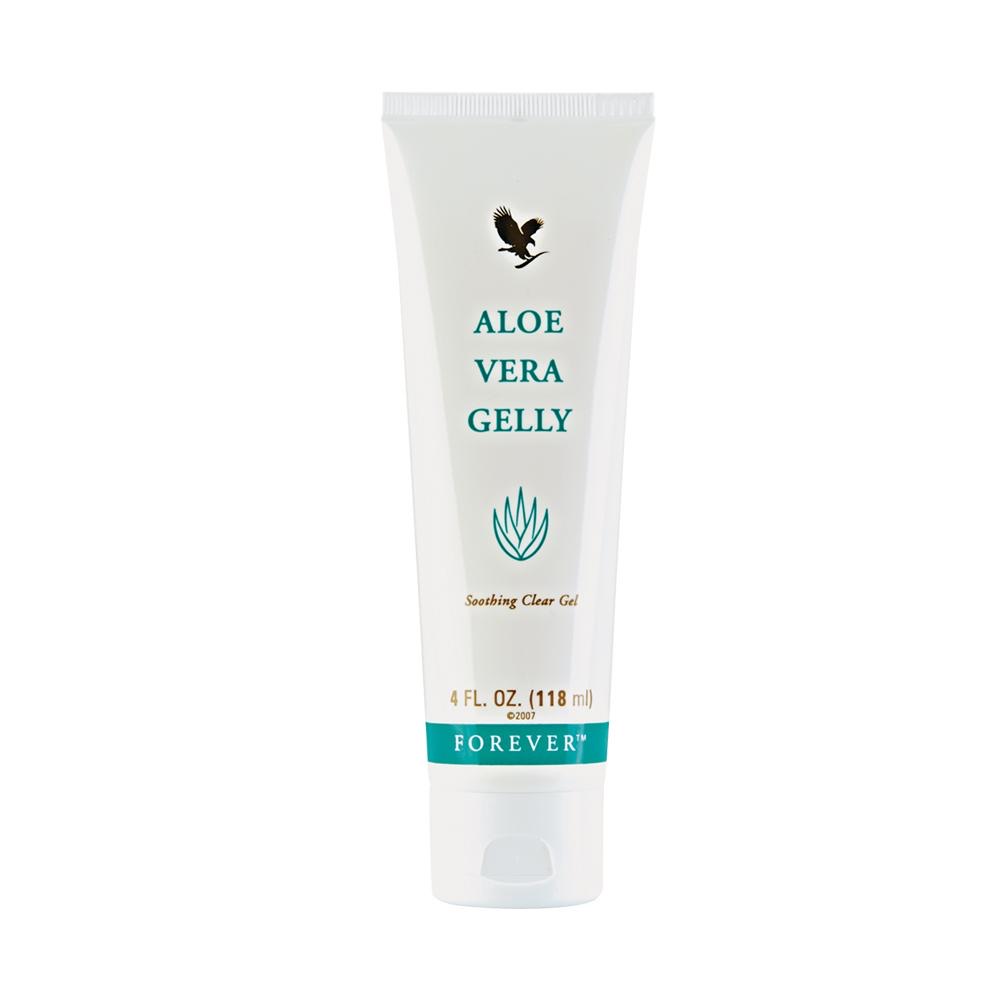
The RHS notes that the plant is harmful if eaten, by people and pets, so keep it away from children and animals and wear gloves when repotting. NCCIH warns that the yellow latex under the skin can cause digestive problems if swallowed. If you want a ready made gel for the skin instead of cutting leaves, you can compare Aloe Vera Gelly as a stabilised aloe vera gel for external use. Try it on a small patch of skin before wider use.
Sources: Royal Horticultural Society NCCIH.
Common questions
How often should I water aloe vera?
When the soil has dried well. In summer that may be every few weeks, and even less in winter. Check the soil with a finger first.
Can aloe vera stay outdoors in winter?
Not in colder regions. It needs protection and at least 5 to 10 °C, so bring it inside before cold nights.
Before first use
Choose products for your dietary routine and care needs. Follow a healthcare professional’s advice for diagnosis and treatment of symptoms. Check suitability first during pregnancy and for use by children.