Vegetables, fruit, pulses, whole grains, nuts and seeds provide fibre. Different foods also supply other nutrients, so a fibre supplement does not replace a varied eating pattern.
Change one meal first
Prepare oats and fruit for breakfast. Add beans, lentils or chickpeas to lunch, and vegetables with a wholegrain side to dinner. Choose a change you can repeat rather than suddenly introducing many unfamiliar foods at once.
How to fit a supplement into your diet
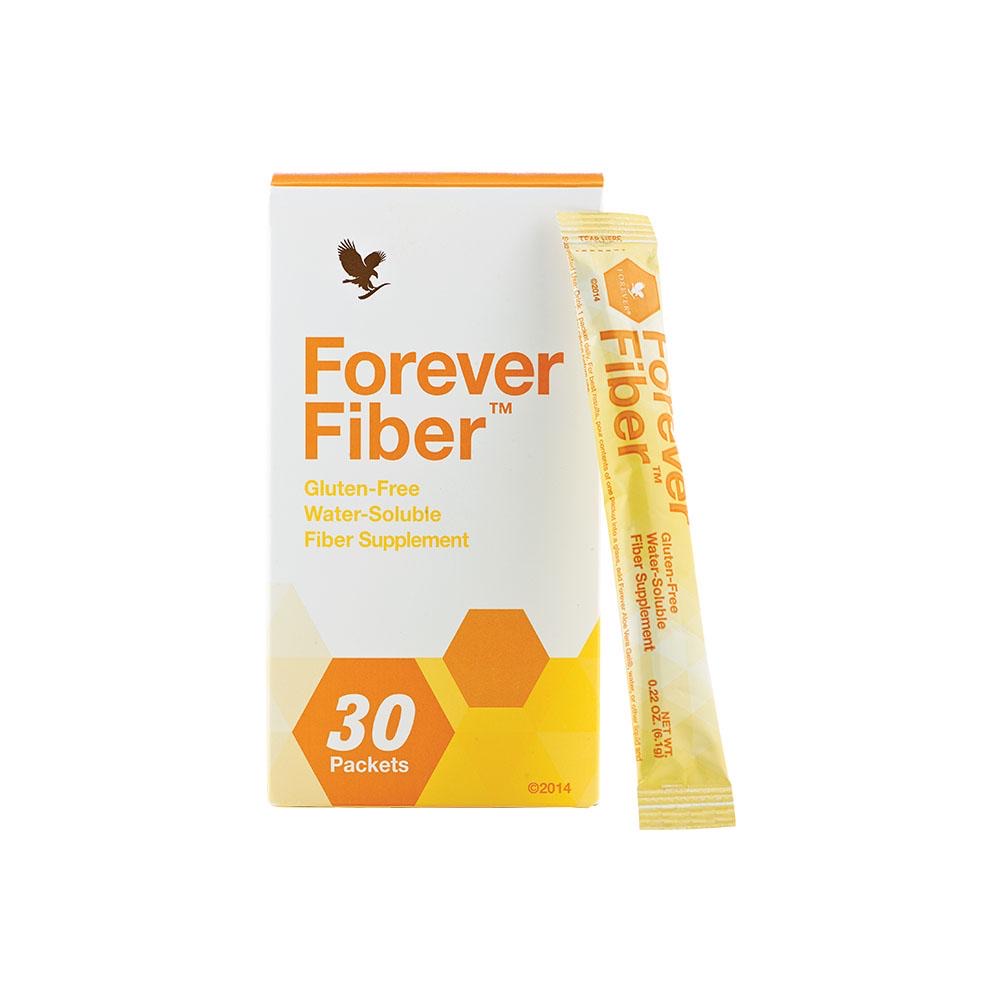
You can consider Forever Fiber as a convenient extra source of dietary fibre in a prepacked sachet if getting enough from food is difficult. This format makes carrying and tracking the labelled serving easier. It does not promise weight loss, blood glucose control or treatment of constipation.
- On the local label, distinguish the total powder weight from grams of actual fibre per serving.
- Check sachet count, ingredients and mixing instructions. Do not choose the liquid or amount from someone else’s recipe.
- Track food and supplement intake together. Increase fibre gradually and drink an appropriate amount of fluid, observing any medical restrictions.
If you take medicines, ask a pharmacist about specific spacing: half an hour is not a universal rule. With bowel disease or after surgery, agree a plan with your doctor. Persistent bowel changes, blood or severe pain need assessment. Record tolerance and reduce abrupt changes if bloating occurs rather than automatically increasing the serving.
Sources: NHS Forever Living NIDDK.
Common questions
Does a sachet replace vegetables?
No. Vegetables and other foods provide additional important nutrients.
Does half an hour’s spacing apply to every medicine?
No. Ask a pharmacist about the particular medicine and product.
Before first use
Choose products for your dietary routine and care needs. Follow a healthcare professional’s advice for diagnosis and treatment of symptoms. Check suitability first during pregnancy and for use by children.