For information only. Products do not replace diagnosis, treatment or a varied diet. Seek professional advice for symptoms, pregnancy and use by children.
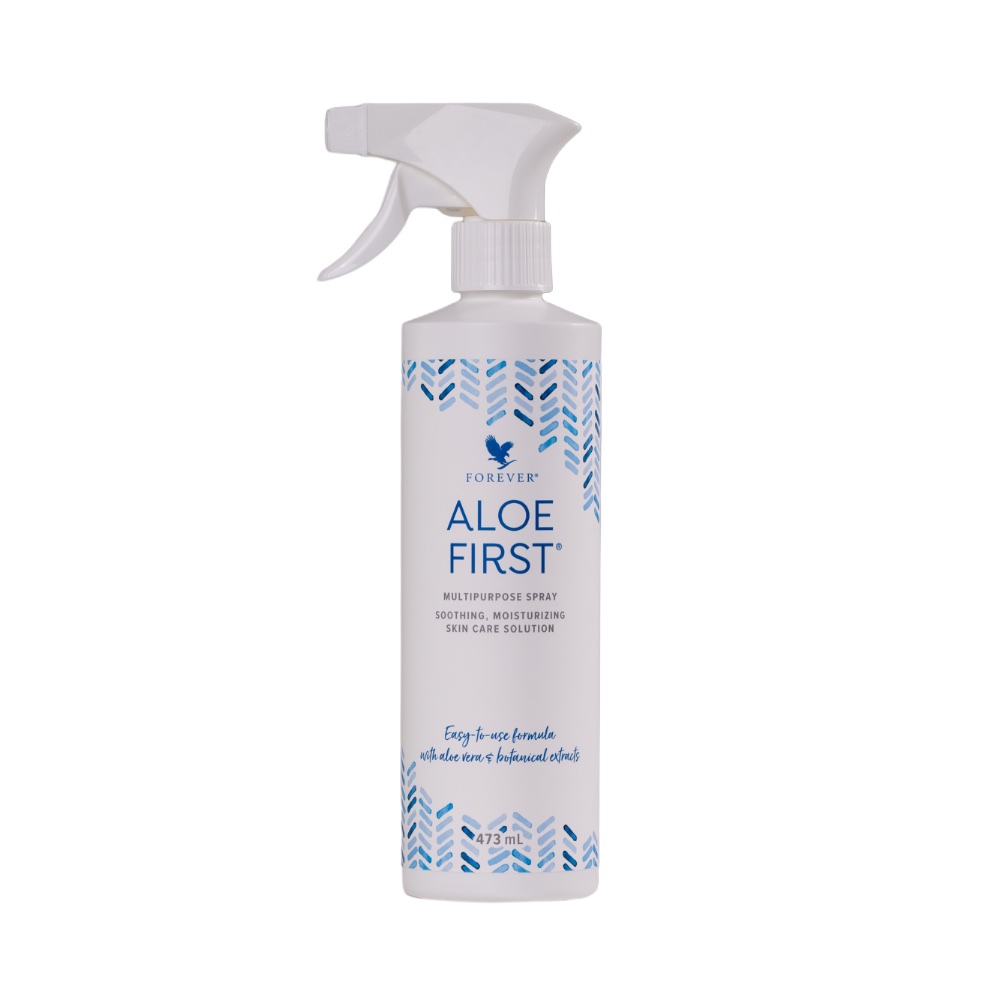
Before reaching for a spray, decide whether you want more comfortable dry skin or need to care for an injury. These are different tasks. Aloe First is a cosmetic spray containing aloe, propolis and other ingredients. Its name alone does not demonstrate a first aid effect.
A practical check at home
Read the local label and check allergens, particularly if you react to bee products. Try a small amount on a limited area of intact skin and monitor tolerance. Keep the spray away from eyes and avoid inhaling it. If burning or a rash develops, rinse it off and stop using it.
Aloe First can be considered as a light spray for intact skin when that application format suits you. Compare it with your current cream: skin feel, ingredients, consumption and price per quantity. For hair use, check whether your particular label includes that application; it is not an established treatment for dandruff or hair loss.
When skin is injured
Gently clean a minor cut and protect it with an appropriate dressing. A cosmetic spray does not replace those steps. Persistent bleeding, a deep wound, pus or increasing pain and redness require medical assessment. Routine skin care does not require oral royal jelly or a weight management package alongside it.
Sources: Forever Living American Academy of Dermatology.
Common questions
Is Aloe First a wound disinfectant?
That purpose has not been established here. Use appropriate wound care for an injury.
Do I need supplements with the spray?
A cosmetic skin care routine does not require that combination.