In this guide
Separate the name from evidence
The word detox on a box does not establish toxin removal or treatment of liver disease. NCCIH reports a lack of convincing evidence for such programs. Temporary weight loss or increased urination does not establish cleansing either. Do not use tea instead of meals or prescribed treatment.
Different herbs are different products
For rosehip, nettle or dandelion, read the exact plant name, plant part and instructions first. Do not choose a dose from a social media promise. With kidney or liver disease or regular medicines, check the actual blend with a doctor or pharmacist. Uncontrolled large fluid intakes alongside fasting can be risky.
A practical tea comparison
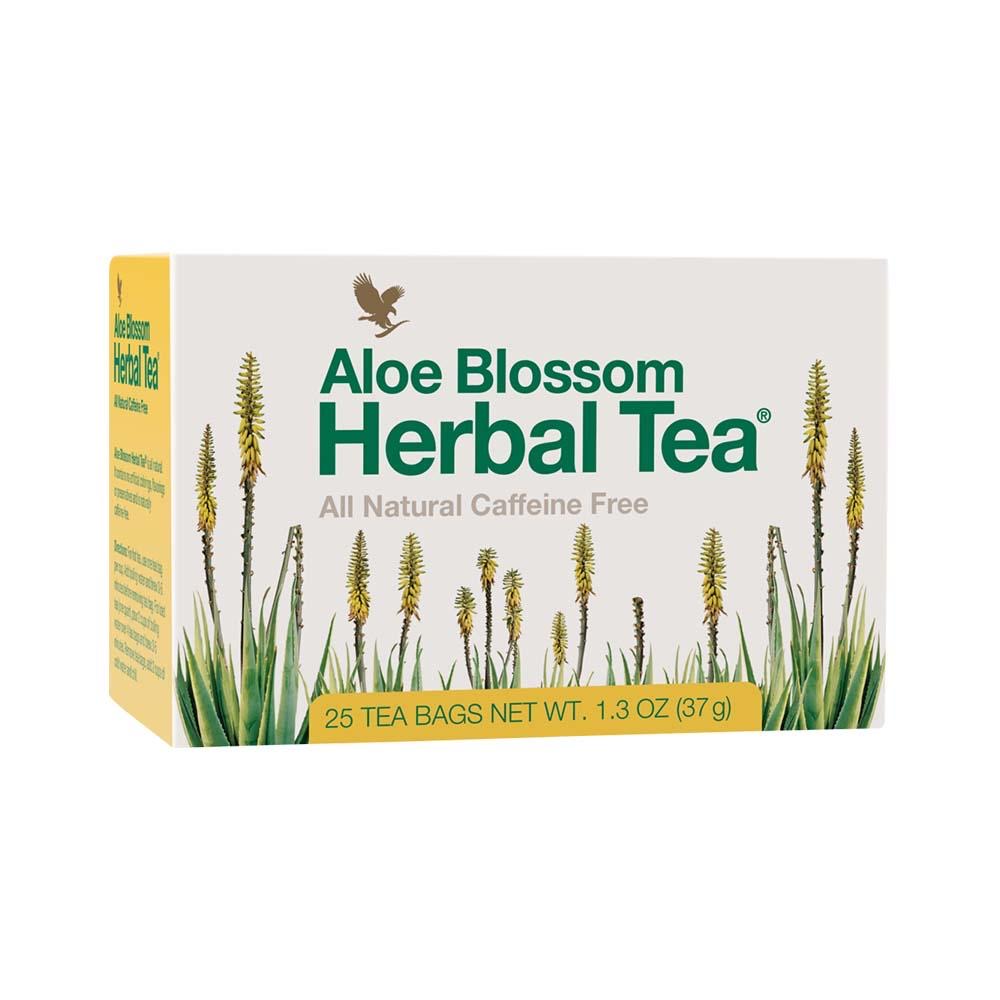
You can compare Aloe Blossom Herbal Tea as an aromatic herbal blend, without claiming that it cleanses the liver or kidneys. Do not assume it contains rosehip or another herb without checking the current label. Consider flavour, brewing instructions and whether the pack suits your needs. Water and regular meals remain a simple starting point. Do not interpret persistent weakness, swelling or other new symptoms as a need for a stronger detox.
When buying tea, separate the flavour you want from the health promise on the front of the box. Read every ingredient and check for laxative or other active herbs. An ordinary break needs a drink you tolerate rather than a cleansing programme. Diarrhoea or cramps after tea are not evidence of toxins leaving your body or a reason to increase intake for a supposed effect.
Sources: NCCIH Forever Living.
Common questions
Does more urination establish cleansing?
No. A change in fluid excretion does not prove removal of unspecified toxins.
Do all herbal teas contain the same herbs?
No. Check the label of your actual blend and market.
Before first use
Choose products for your dietary routine and care needs. Follow a healthcare professional’s advice for diagnosis and treatment of symptoms. Check suitability first during pregnancy and for use by children.