Step counts can show how much you move, but 10,000 is not a threshold below which walking has no value. Activity below a general target still helps, especially after long periods of sitting.
Understand your ordinary week
Track several normal days without deliberately increasing movement. Notice the longest sitting periods and look for a safe short route. If you already walk to a shop, part of that journey could become a slightly brisker walk; every session need not be a separate workout.
Next week, choose a manageable addition, such as a short loop after lunch on several days. Moderate effort usually allows conversation while breathing becomes faster. If that pace feels too difficult, slow down and gradually build duration. Pain that changes your walking pattern is not a target to endure.
Make repetition practical
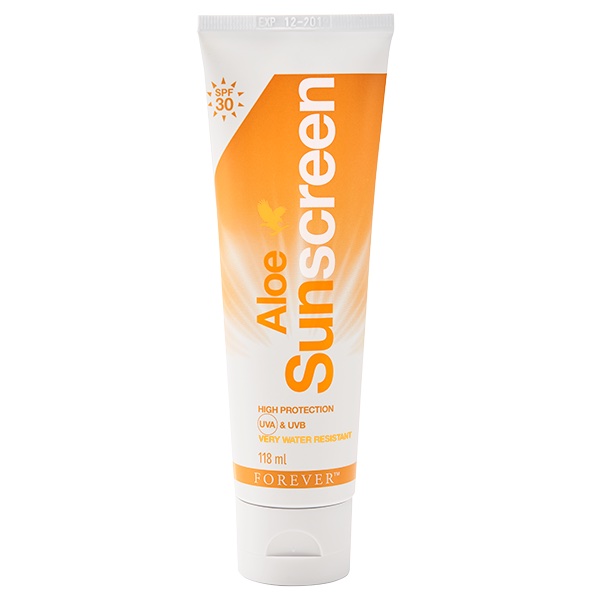
Choose comfortable footwear and a well lit route. On a daytime walk in sunshine, Aloe Sunscreen serves exposed skin protection according to its local label, alongside clothing and shade. It does not increase energy expenditure or replace water and adjustments for heat.
At the end of the week, count how often you actually went out rather than only your best watch reading. Consider fatigue and recovery before raising the goal. Weight change depends on the wider pattern of diet, activity and health, so a step count cannot guarantee weight loss. Stop for chest pain, fainting or unusual breathlessness and seek assessment.
Sources: WHO Forever Living.
Common questions
Do I need a watch to walk?
No. Track duration and consistency without counting steps.
Do 10,000 steps guarantee weight loss?
No. Weight change depends on several factors.
Before first use
Choose products for your dietary routine and care needs. Follow a healthcare professional’s advice for diagnosis and treatment of symptoms. Check suitability first during pregnancy and for use by children.