Calcium gives bones and teeth structure, while vitamin D helps its absorption. This does not mean a supplement will prevent fractures in everyone. A bone health plan also involves food, appropriate activity and assessment of osteoporosis risk.
Start with your meals
Record your usual calcium sources: yoghurt, cheese, fish with edible bones or a fortified plant drink. Check labels on fortified foods. Count the total from food and supplements rather than adding up tablets alone. Tiredness and muscle cramps do not by themselves establish a calcium or vitamin D deficiency.
How to fit a supplement into your diet
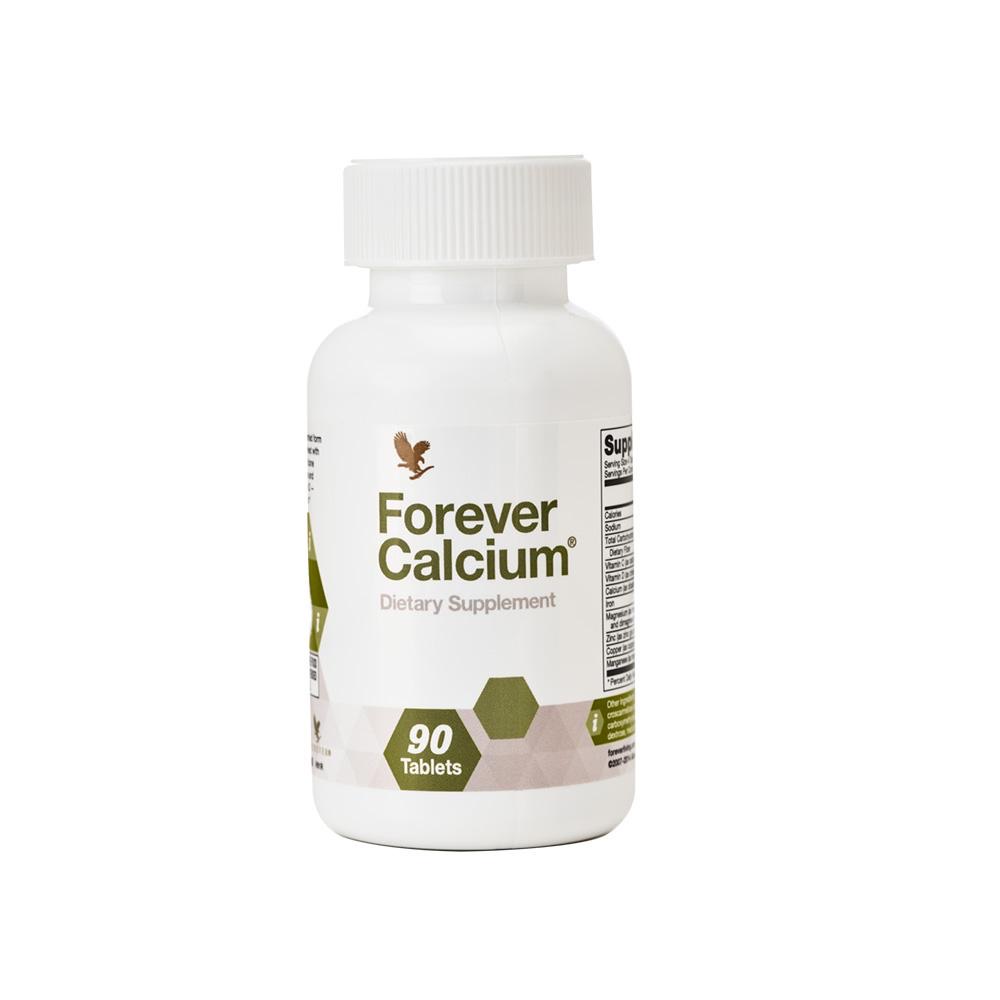
Forever Calcium is a specific product for comparing declared calcium per daily serving. Check the precise local composition; the name does not establish that every formula contains vitamin D. Show a pharmacist your medicines and other supplements because calcium can interfere with their absorption. Discuss intake with a clinician if you have kidney disease or previous kidney stones. A larger amount is not automatically a better choice.
Before choosing a supplement, record several typical food days, including dairy or fortified alternatives, other calcium sources and existing supplements. Intake comes from multiple sources rather than one capsule alone. Bring labels to a review so calcium or vitamin D is not inadvertently duplicated across products. Discuss whether replacement is needed and how its effect should be followed in your particular circumstances.
Sources: NIH ODS NIH ODS Forever Living.
Common questions
Does everyone need a supplement?
No. The decision depends on diet, age, risk factors and professional assessment.
Does tiredness prove low vitamin D?
No. Tiredness has many causes; a clinician decides whether testing is appropriate.
Before first use
Choose products for your dietary routine and care needs. Follow a healthcare professional’s advice for diagnosis and treatment of symptoms. Check suitability first during pregnancy and for use by children.