There is no single best diet for everyone. Mediterranean and DASH approaches describe food choices, 16/8 describes meal timing, and keto restricts carbohydrates. Ranking them only by the speed of scale loss compares different categories.
Compare three ordinary days
For each plan, write breakfasts, lunches, dinners and snacks you would actually eat. Mark vegetables, protein sources, fibre and preparation time. Add costs and check what is excluded. Could you follow it at work, with family and after a month?
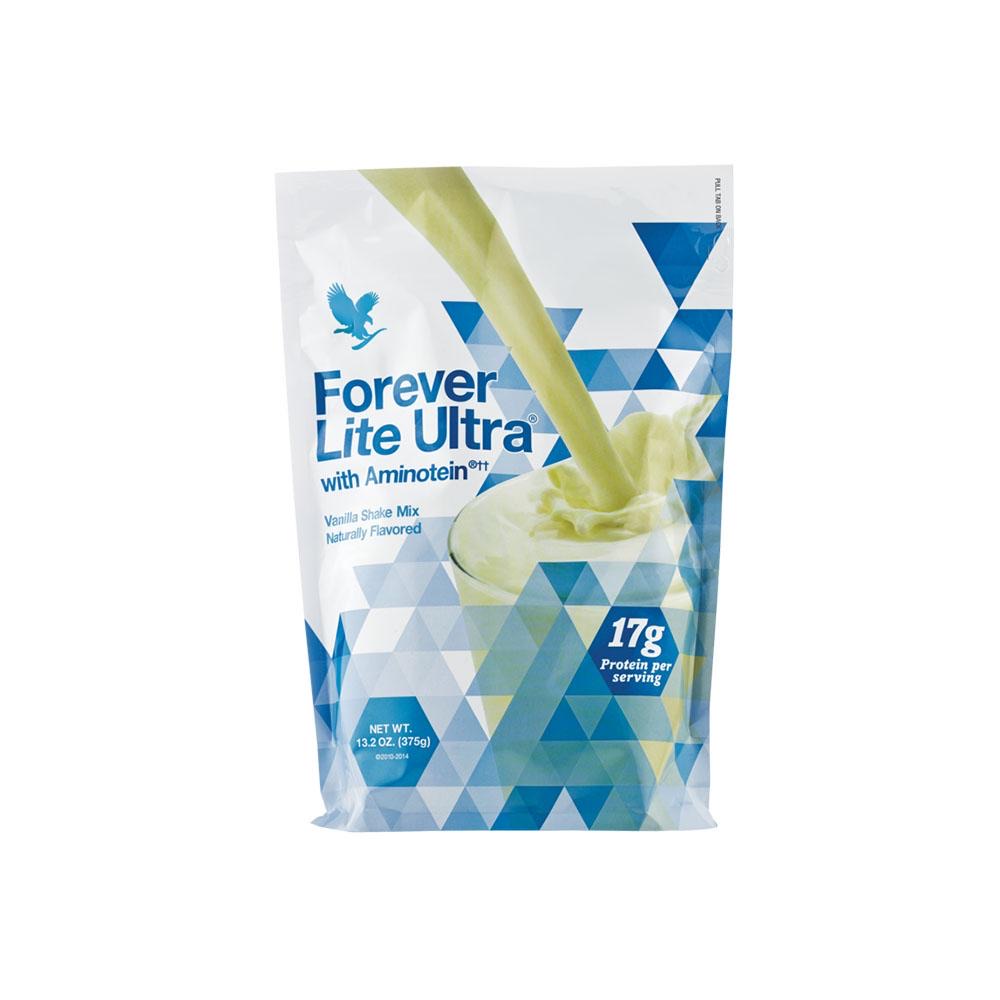
If preparing the protein component is the obstacle, Forever Lite Ultra Vanilla can be compared by price and labelled protein per prepared serving. Compare it with yogurt, eggs or pulses you tolerate. Include mixing ingredients in the calculation. This is a convenience choice rather than proof that one diet is superior.
Choose a trial step
Try one sustainable change for a week and assess hunger, energy, schedule and cost. C9 is not an established toxin cleanse, and Lean or garcinia are not required diet components. Conditions, medicines or a history of eating disorders require professional input into the choice.
Compare two menus against the same situation, such as a working day with a packed lunch. Record evening preparation time. This reveals the everyday burden rather than just the diet’s name.
Sources: NIDDK NHLBI Forever Living.
Common questions
Is the fastest diet the best?
No. Health, sustainability and food quality matter.
Does every plan need supplements?
No. Supplements need a specific purpose and need assessment.
Before first use
Choose products for your dietary routine and care needs. Follow a healthcare professional’s advice for diagnosis and treatment of symptoms. Check suitability first during pregnancy and for use by children.