In this guide
Atopic dermatitis (atopic eczema) is a long term skin condition with dryness, itching and redness. It is not contagious. This text is general information and does not replace medical advice.
Daily care
- Use an emollient (a moisturising cream) at least twice a day, and even when the skin is better.
- Use an emollient instead of soap for washing.
- Take it from a tube or pump, or with a spoon, not with fingers from a tub.
- Keep nails short and rub an itchy spot gently with a finger instead of scratching.
- Avoid heat, as it makes itching worse.
Bathing and clothing
Bathe or shower briefly in lukewarm water. Pat the skin dry gently afterwards and apply emollient while it is still slightly damp. Wear cotton clothing and avoid wool and rough fabrics next to the skin. Wash laundry with a mild detergent and rinse it well.
Triggers
The NHS lists common triggers such as soaps, detergents, some fabrics, house dust mites, pollen, pets, stress, heat and skin infections. Note what makes your skin worse. Do not change your diet without medical advice.
Aloe and new products
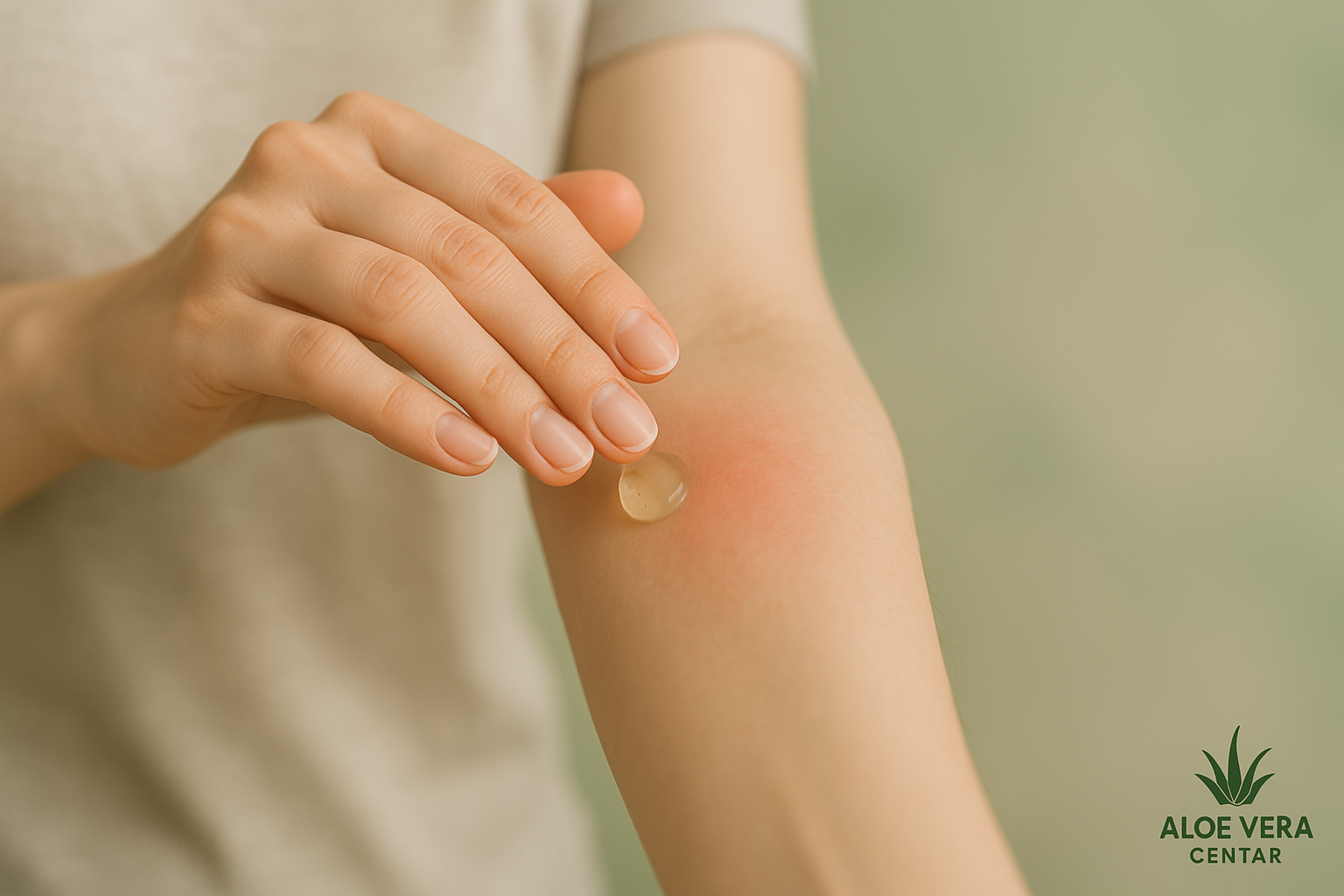
NCCIH states there is no reliable information on aloe for eczema, and topically it can cause burning, itching or rash. Introduce a new product only on medical advice, on a small area.
When to see a doctor urgently
Get urgent help if blisters, crusts, weeping, pus, severe pain, swelling, warmth, fever or a sudden worsening appear. They can be signs of infection. For a child under five, contact an emergency medical service.
Common questions
Does aloe vera help atopic dermatitis?
There is no reliable information, and topically it can cause irritation. Ask a doctor before using it.
Should I change my diet because of eczema?
Not without medical advice. Track triggers and discuss any suspected allergy.
Before first use
Choose products for your dietary routine and care needs. Follow a healthcare professional’s advice for diagnosis and treatment of symptoms. Check suitability first during pregnancy and for use by children.