In this guide
Anxiety and sleep often disturb each other. When you lie down, thoughts spin, and less sleep increases anxiety the next day. You can break that circle with simple evening habits. If the problem continues, an assessment by a professional is needed.
Three exercises for 5 to 15 minutes
- Mindful breathing: breathe in counting to four, hold for two and breathe out counting to four. Repeat about ten times.
- Progressive muscle relaxation: from feet to face, tense each muscle group for a few seconds, then release.
- Writing down worries: before bed write what bothers you and the first step for tomorrow, then close the notebook.
Sleep hygiene according to the NHS
Go to bed when you feel sleepy, get up at the same time every day and spend an hour before bed on something calming. Keep the bedroom dark and quiet. Exercise during the day, but not within four hours of bedtime. Avoid coffee, caffeinated tea, alcohol and cigarettes for six hours before sleep, and skip large late meals. Put screens away before bed.
A warm caffeine-free drink
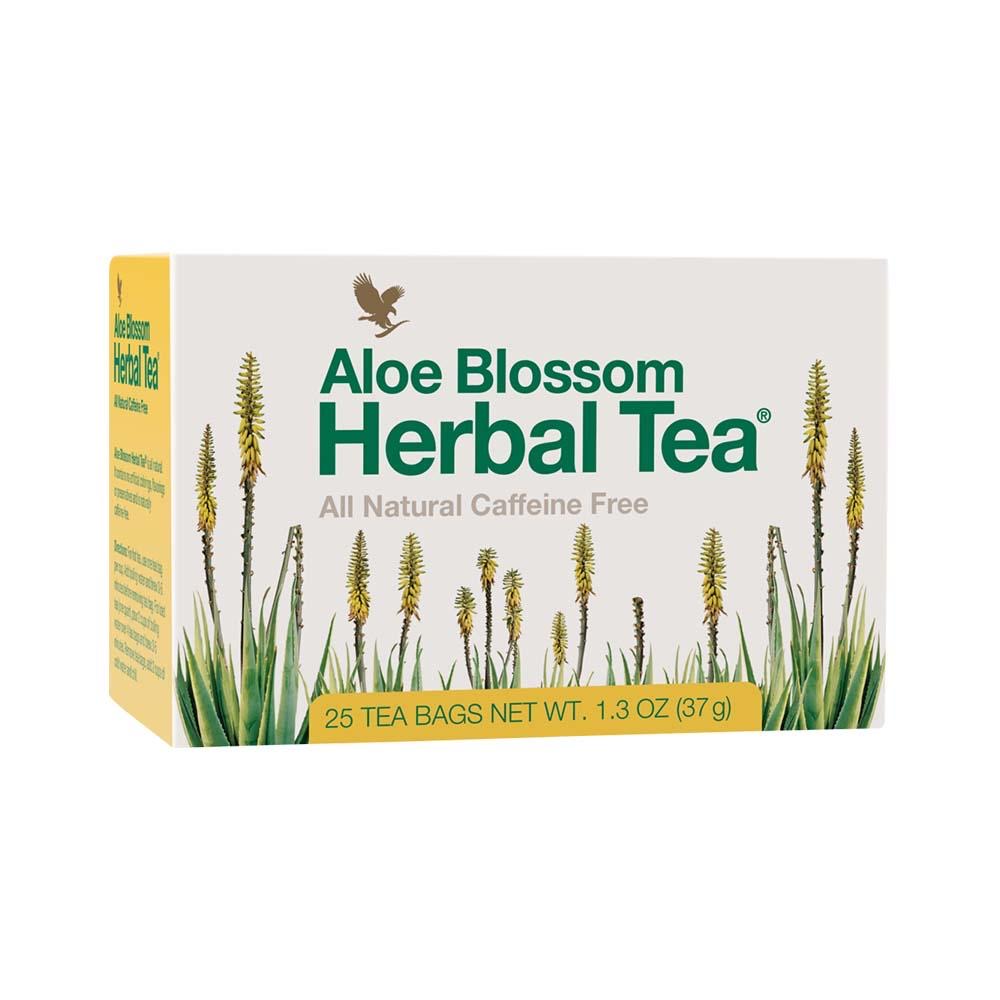
As part of the routine you can brew a warm caffeine-free drink, for example Aloe Blossom Herbal Tea. It is a calming ritual, not a medicine for anxiety or insomnia.
When to see a doctor
The NHS states that anxiety can include difficulty sleeping, restlessness and palpitations. See a doctor if worry is hard to stop or interferes with daily life. This text is general information.
Common questions
Can teas cure anxiety?
No. A warm caffeine-free drink can be part of an evening routine, but anxiety is assessed and treated by a professional.
When should I see a doctor about anxiety?
When worry is hard to control, disturbs sleep and daily life or does not ease despite self-help.
Before first use
Choose products for your dietary routine and care needs. Follow a healthcare professional’s advice for diagnosis and treatment of symptoms. Check suitability first during pregnancy and for use by children.