Frozen aloe cubes sound like a quick summer trick, but a recipe using a beverage is not verified skincare. Freezing does not turn food into a cosmetic or establish its hygienic safety. Ice should not be applied to sunburnt skin, and intense cooling can further damage a sensitive area.
What to do instead of freezing
If you simply feel hot, move into shade and refresh yourself with comfortably cool water or a clean damp towel. After the beach, rinse off salt gently and avoid vigorous rubbing. For routine care, use a product intended for skin according to its label, without adding lemon, tea or kitchen ingredients.
If your skin is sunburnt, leave the sun and cool it with a cool shower or damp towel. Ask a pharmacist about suitable care. Do not burst blisters or remove peeling skin. Blistering, swelling, dizziness or feeling generally unwell warrants prompt medical assessment.
Use a cosmetic gel as a cosmetic
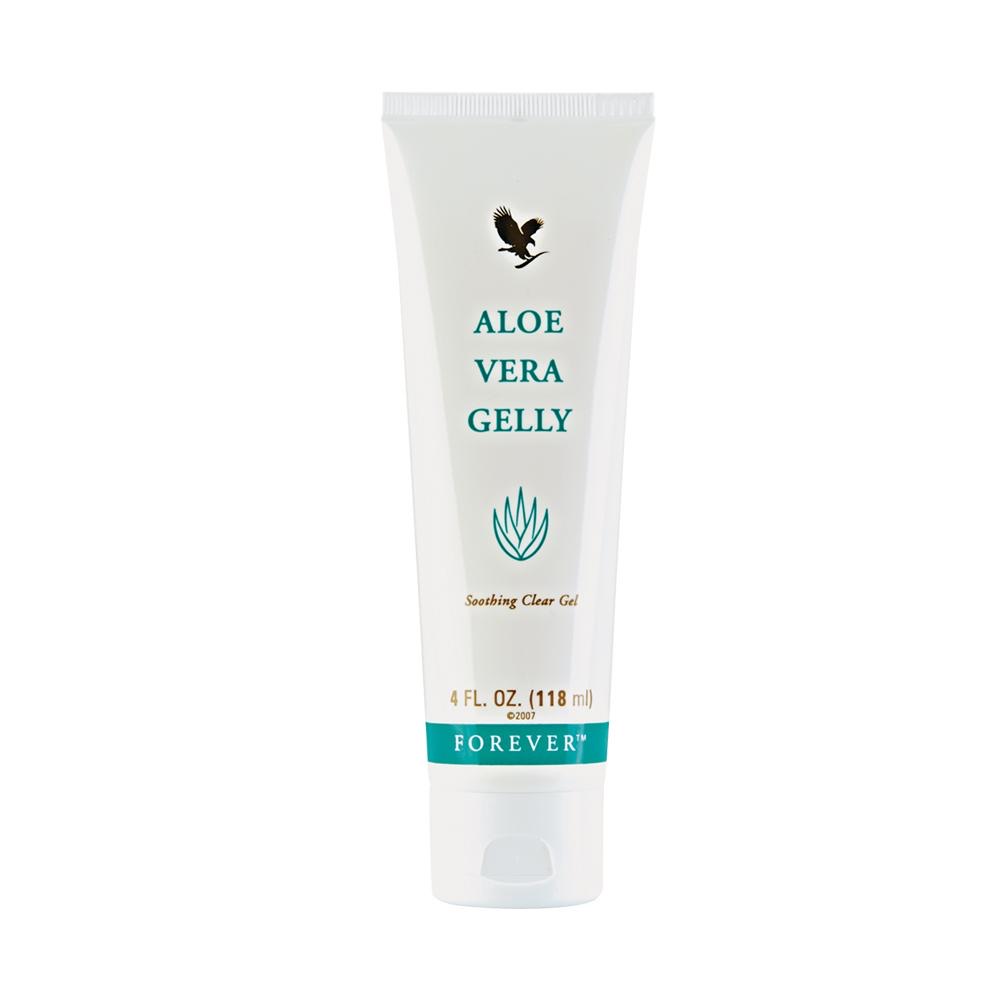
Aloe Vera Gelly is available as a prepared cosmetic gel for moisturizing intact skin. The benefit of that choice is a defined purpose and product label instead of freezing a beverage and inventing a storage life for a homemade mixture. It does not need freezing and should not be treated as sun protection.
For your next time outdoors, plan shade, clothing and appropriate sunscreen. Feeling refreshed after cooling does not mean UV damage has been reversed.
Sources: NHS Forever Living Forever Living.
Common questions
Can I freeze the Aloe Vera Gel drink for my face?
That is not its labelled cosmetic purpose.
Does Gelly replace sunscreen?
No. Cosmetic gel does not replace an appropriate sun protection product.
Before first use
Choose products for your dietary routine and care needs. Follow a healthcare professional’s advice for diagnosis and treatment of symptoms. Check suitability first during pregnancy and for use by children.