The key points from this article
- Aloe vera may be your first association with sunburn, but more and more often we hear advice to use it for sports scratches, blisters and minor skin injuries.
- Maybe you yourself have reached for aloe gel after running, football or the gym and wondered: does this really help or is it just cool for a moment?
- For a personal choice, continue with a recommendation after reading.
Products most closely related to this topic
If you want to compare concrete options after reading, these products are the closest match to the article topic.
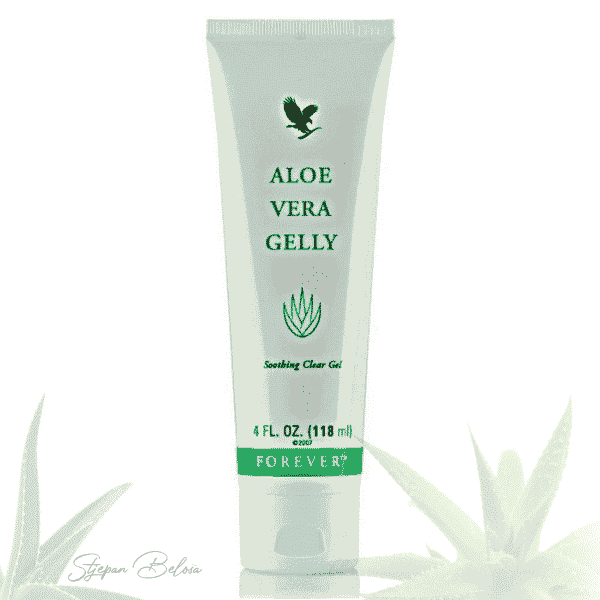 Aloe Vera Gelly
A practical outer-care product when the goal is skin comfort and a simpler care routine.
Closest to a care routine for skin, hair or everyday personal care.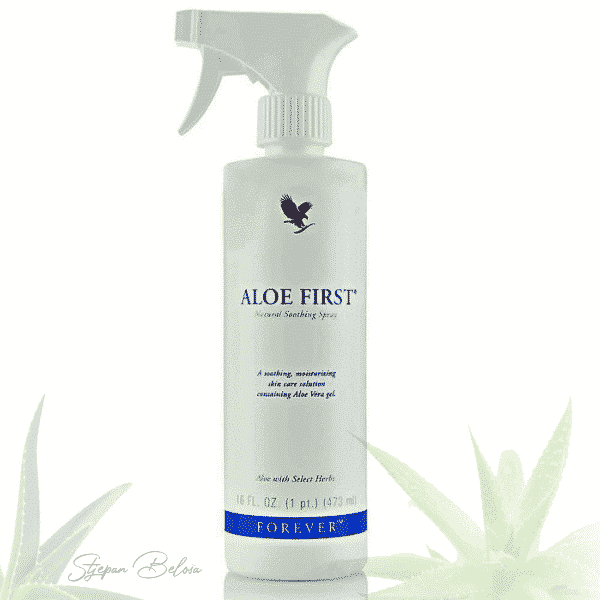 Aloe First – First aid for the skin with Aloe vera and propolis
A practical outer-care product when the goal is skin comfort and a simpler care routine.
Closest to a care routine for skin, hair or everyday personal care.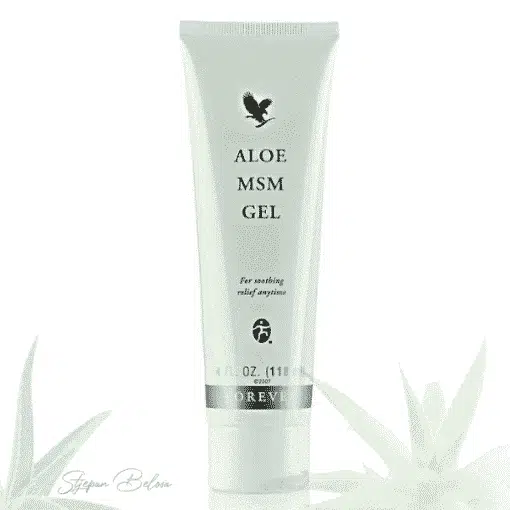 Aloe MSM Gel
A practical outer-care product when the goal is skin comfort and a simpler care routine.
Closest to a care routine for skin, hair or everyday personal care.Aloe Vera for Sports Scratches and Blisters: What Really Helps and How It's Safe to Include
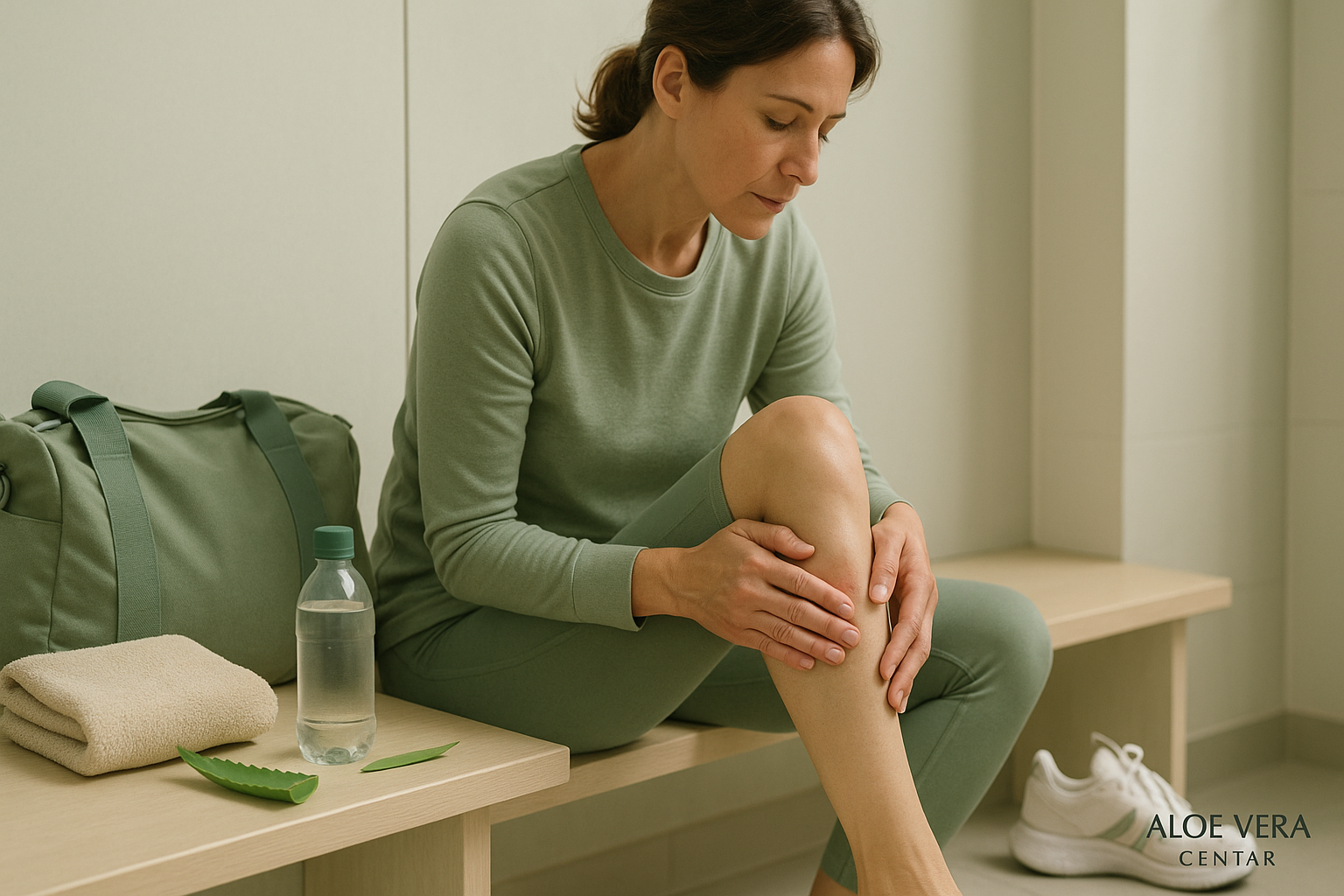
Aloe vera may be your first association with sunburn, but more and more often we hear advice to use it for sports scratches, blisters and minor skin injuries. Maybe you yourself have reached for aloe gel after running, football or the gym and wondered: does this really help or is it just cool for a moment?
Sports scratches, scraped knees, blisters from sneakers or exercise equipment look harmless, but they can burn, tighten and interfere with further training. In addition, any injury to the skin opens the door to bacteria, so it is logical that we look for natural ways to soothe the skin and support healing.
According to some review articles, aloe gel can help with minor burns and superficial skin damage by cooling, hydrating, and promoting epidermal regeneration, especially when used on clean, intact skin or shallow wounds.according to the article on the use of aloe vera on the skin. But that doesn't mean that aloe is a magic cure for every sports injury.
Why sports scratches and blisters occur
Scratches and peeled skin are often caused by falls, sliding on the surface or friction of the skin against the equipment. Typical examples are knees after football on artificial grass, elbows in cyclists or scratched palms from falls on asphalt. In such injuries, the upper layer of the skin is damaged, sometimes to the point of slight bleeding.
Blisters are the result of repeated friction and pressure. In sports, they most often appear on the feet due to tennis shoes, on the palms due to weights or rackets, and on the heels during long walks and hiking. First there is redness and burning, then a bubble filled with liquid that protects the deeper layers of the skin.
What aloe vera can really do and what it can't do for scratches and blisters
Aloe vera is rich in water, polysaccharides such as acemannan, antioxidants and numerous phytonutrients. Some of these ingredients are associated with potential antibacterial and antifungal effects, so it's no wonder that more and more research is being doneantibacterial and antifungal action of aloe. It is this combination of hydration and protection that makes it interesting for minor skin damage.
Clinical research shows that topical aloe can in some situations accelerate epithelization and encourage faster closure of superficial wounds, but the results are not always the same and depend on the type of injury, the concentration of the gel and the method of applicationaccording to a review paper on aloe vera and wound healing. An important message for you: aloe can be a useful support, but it should not replace basic wound hygiene, proper cleaning and, if necessary, a medical examination.
When it comes to shallow scratches and superficial wounds, a good number of readers will recognize the combination approach with natural preparations such as honey or aloe. In such situations, a detailed presentation of the differences between different methods is also useful, for example when comparing aloe and honey compresses forhealing of superficial wounds. The key is always to make the right choice for your condition and not blindly rely on one ingredient.
How to safely use aloe vera for a sports scratch
First and foremost: aloe vera comes only after good hygiene. Minor sports scratches can be washed with lukewarm water and a mild skin cleanser, without aggressive perfumes and sulfates. If you like practical bathroom products, a gentle aloe-based liquid soap, like a product with a similar formulaAloe Liquid Soap, can be a good choice for everyday use.
After cleaning, there are a few simple steps that will become your routine before you put your sneakers back on:
- carefully pat the skin dry with a clean towel, without rubbing
- assess the depth of the injury and see if it is still bleeding
- if necessary, disinfect the area with a mild antiseptic that does not burn very much
- only when the skin is clean and the bleeding has stopped, consider applying aloe gel
For minor scratches on the knees, elbows or thighs, a clear, thick gel that does not stick or burn is suitable for many people. This is where a product likeAloe Vera Gelly, which contains a high proportion of stabilized aloe gel and is intended for local application on the skin after minor injuries, depilation or irritation.
If it is a larger area of skin, for example a scratch on the thigh after falling on artificial grass, a spray is practical that can be sprayed without touching the wound itself. In this situation, many athletes choose products of the typeAloe First, because they combine aloe, propolis and plant extracts, so they soothe and at the same time create a thin protective film on the surface of the skin.
Aloe vera and sports blisters: when it is useful and when it is better to avoid
Blisters are a bit of a different story. While the bubble is closed and the skin above it hasn't broken, your body has already made its own"band-aid"that protects the deeper layers. In that phase, comfortable footwear, protective pads and reduction of friction are the priority. This is where aloe can be used to hydrate the surrounding skin to make it more elastic and less prone to cracking.
For painful blisters after running, hiking or football, many people find it helpful to gently massage the surrounding muscles and tendons with gels that combine aloe and ingredients for a sense of relief, such as product-like formulationsAloe MSM Gel. It is important that you apply the gel to the undamaged skin around the blister, and not to the open blister, because an open blister should be treated as a small wound that must first be cleaned, protected from infection and covered with sterile gauze.
A broader approach to recovery after training
While it may seem like it's all in the cream or gel you put on your skin, recovery from sports scrapes and blisters starts from within. Sufficient hydration, quality sleep and smart training planning help the skin and connective tissues get everything they need for regeneration.
In the phases of more intense training, it is worth remembering how important fluids and electrolytes are, especially if you sweat a lot or train in the heat. In this context, you can use a practical guide on how much and what to drink during exercise, such as the article onrehydration during training, in order to reduce the risk of cramps, fatigue, and slower skin recovery.
How to choose a quality aloe product and not overdo it
There are many aloe vera gels and creams on the market, but not all are created equal. When choosing, pay attention to several things: a high proportion of aloe in the composition, as little perfume and alcohol as possible, and clear instructions for use. It is ideal for the product to clearly emphasize what it is intended for (skin care, help with irritations, support for the healing of superficial injuries).
If you're not sure which product is the best choice for your skin, training regimen, and medications you may already be taking, a personalized recommendation is a good place to start. A digital tool like ours can help you with thatAI advisor for choosing products and routines, where you can describe your habits, complaints, and goals, and then get suggestions that make sense for your situation.
When aloe vera is not enough and you need to seek medical help
Although it's tempting to"solve"every scratch at home, there are situations where aloe vera and home care aren't enough. If the wound is deep, bleeding profusely, the serous fluid does not stop leaking, the edges are separated or you see foreign particles (gravel, glass, soil), you should contact your doctor. The same applies if after a few days there is more redness, swelling, warmth around the wound, an unpleasant smell or pus, which can be a sign of infection.
Frequently asked questions
Can I apply aloe vera immediately to freshly scratched sports skin?
In the case of a fresh scratch, the first step is always to rinse with lukewarm water and clean with a slightly foaming agent. Only when the skin is clean, the bleeding has stopped and there are no visible impurities, you can apply a thin layer of aloe gel to the surrounding skin or, according to the product's instructions, to the surface of the wound itself if it is a shallow damage. If you are not sure whether the injury is mild enough for home treatment, it is better to seek the advice of a doctor.
Can aloe vera replace wound disinfection?
No. Aloe vera is not a classic antiseptic and should not replace basic wound hygiene. First, cleaning and, if necessary, disinfection with the recommended agent, and only then you can consider the application of aloe as an additional support for hydration and soothing of the skin. If you notice more severe pain, spreading redness or signs of infection, stop using it and contact your doctor.
Is aloe vera safe for children and the elderly with minor scratches?
The skin of children and the elderly is often more sensitive, so it is especially important to choose products with a clear composition and without excessive perfumes. Many preparations with aloe are suitable for the whole family, but before the first application it is good to do a small test on a small area of the skin. If there are chronic diseases, blood-thinning therapies or immune problems, consultation with a doctor or pharmacist is mandatory.
Can I pierce the blisters and then apply aloe vera?
If at all possible, it is better not to pierce blisters, but to protect them with pads and reduce friction. If the blister has already burst or it was necessary to open it, it is treated as a small wound: washing, disinfection and possibly sterile protection. Aloe is then applied only to the surrounding skin, never deep into the open wound without expert advice.
Conclusion: a smart combination of routine and aloe vera for an active life
Sports scratches and blisters are an integral part of an active life. The good news is that in most cases they require nothing more than smart home care, a little patience and consistency. Aloe vera can be an important ally here: it cools, hydrates, potentially supports the natural healing process and makes the skin feel more comfortable after exertion.
The biggest difference is in the way you combine it all: clean skin, properly cleaned wound, selection of proven products and, if necessary, expert advice. When you add enough sleep, a quality diet and a tailored training plan, you get a formula that not only protects your skin, but also your continuity in sports. If you want additional inspiration on how modern technology and smart planning can fit into a healthy and active lifestyle, check out the articleHow this couple is building a global business with AI and working 95% online and consider how you can apply a similar approach to your habits.
Note: This text serves as a general informational aid and is not a substitute for professional medical advice, diagnosis or treatment. If you suspect a more serious injury, infection, chronic illness, or if you are taking medications that affect healing, be sure to consult your doctor or pharmacist before using any supplements and preparations based on aloe vera.
Products most closely related to this topic
If you want to compare concrete options after reading, these products are the closest match to the article topic.
Aloe Vera GellyA practical outer-care product when the goal is skin comfort and a simpler care routine.
Closest to a care routine for skin, hair or everyday personal care.Aloe First – First aid for the skin with Aloe vera and propolisA practical outer-care product when the goal is skin comfort and a simpler care routine.
Closest to a care routine for skin, hair or everyday personal care.Aloe MSM GelA practical outer-care product when the goal is skin comfort and a simpler care routine.
Closest to a care routine for skin, hair or everyday personal care.Short answers that help
If you are still comparing options, these are the points worth checking before you continue.
What should I take from this article?
Use it to understand the topic in practical terms and compare it with your current routine, needs and next step.
When does it make sense to ask for a recommendation?
Ask when the topic feels relevant, but you are not sure which Forever Living Products product or routine fits you best.
Does this article replace professional advice?
Aloe vera for sports scratches and blisters: safe use is educational content. For medical conditions, medication, pregnancy or persistent symptoms, include qualified professional advice.
Describe what you want to achieve
If you do not know which product to choose, write your goal, habits or doubts and get a more concrete suggestion.
Recommended products
Related articles to keep exploring