For information only. Products do not replace diagnosis, treatment or a varied diet. Seek professional advice for symptoms, pregnancy and use by children.
A watery aloe product is not automatically a hydrolate, a gentler formula or a beverage. The same plant name can appear in different formulations. If a seller uses the word hydrolate, request the exact production description and full ingredients rather than judging by the liquid's clarity.
Three different questions
First check what the product is: cosmetic toner, skin spray or food beverage. Then review how its aloe ingredient was obtained and what else was added. Finally read its actual purpose and directions. An ingredient name in a cosmetic database does not by itself confirm safety of the entire formula or permission to drink it.
Do not assume a botanical water contains the same amounts of substances as a gel or juice. Faster absorption, less irritation or a stronger effect from combining several aloe forms should not be promised in advance either. The specific manufacturer determines storage and expiry rather than a universal table for all botanical waters.
A specific cosmetic liquid example
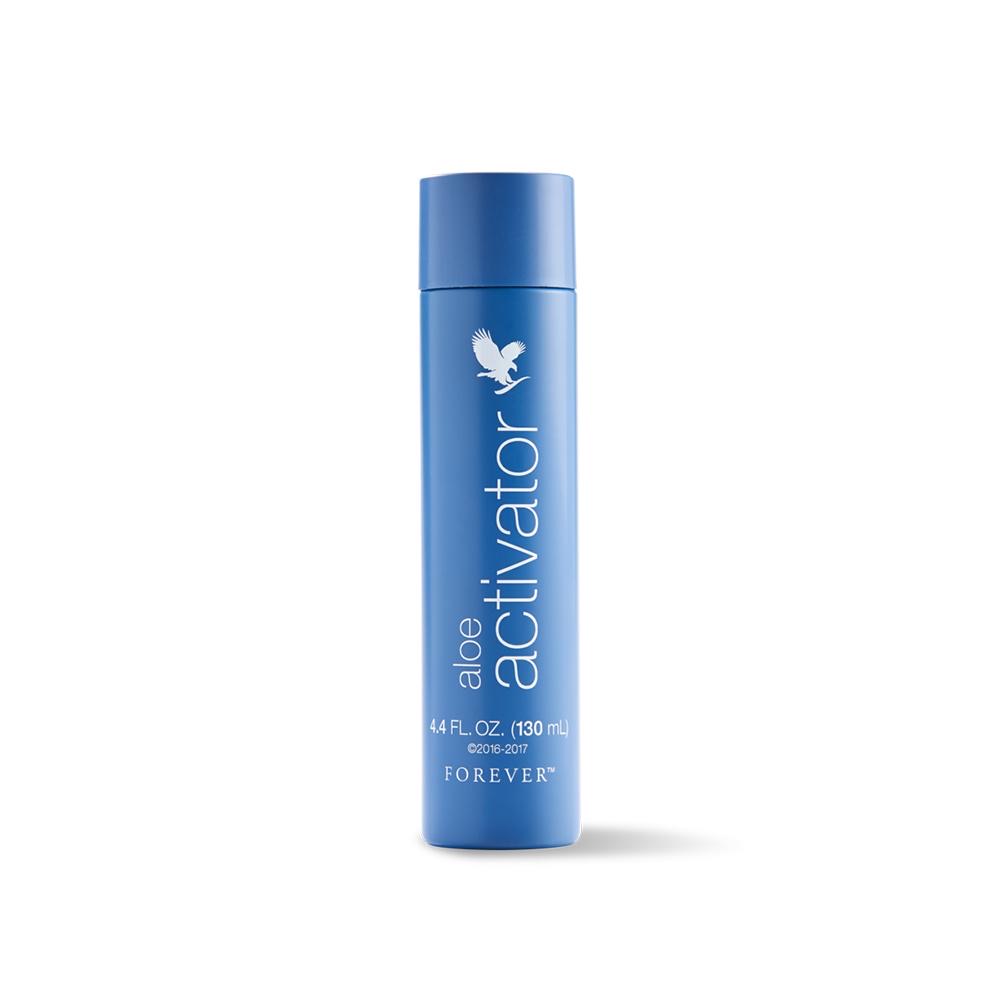
Aloe Activator can be compared as a prepared cosmetic skincare toner according to its local label. The benefit is a defined purpose and prepared product; we do not present it as a verified distilled hydrolate or beverage. When combining it with a mask, follow the instructions for those actual products rather than inventing a ratio.
Use one new formula at a time and observe tolerance. Avoid eyes and uses outside the label. For children or skin with active disease, check suitability with a professional before experimenting.
Sources: European Commission Forever Living Forever Living.
Common questions
Is Aloe Activator automatically a hydrolate?
No. The verified description establishes a cosmetic toner, not that production claim.
Can any aloe water be added to a drink?
No. The product must be specifically intended for food use.