Skin changes naturally with age. A moisturising product may ease dryness and change the appearance of fine lines without establishing rebuilt collagen or elastin. Cell experiments or studies on a special aloe extract do not automatically apply to every gel and beverage.
A routine you can observe
Choose gentle cleansing and moisturising care your skin tolerates. Introduce one new product at a time. Stop if it stings or causes persistent redness. A large stack of serums based on your decade of life is unnecessary.
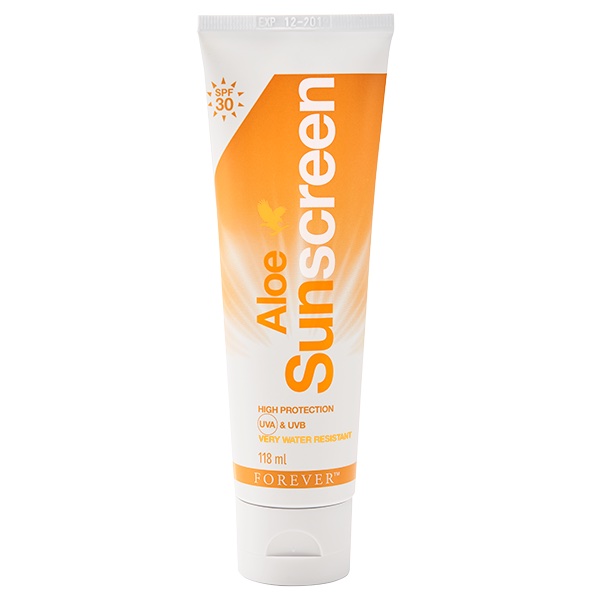
Aloe Sunscreen can be compared for the actual step of protecting skin from sunlight. Check its local SPF and UVA label and reapplication instructions. Use clothing, shade and limited exposure too. A moisturising gel does not replace that protection.
Ask before buying
Look for evidence concerning the finished product and a particular result rather than just an interesting ingredient name. A dermatologist can discuss wrinkle treatment options and risks or assess skin disease. An oral supplement is not a compulsory part of skin care.
For an ordinary outdoor day, plan shade and clothing, then use sunscreen according to its label. Check that you have enough with you for reapplication. Introduce other skin care products one at a time to notice irritation more easily. A personal feeling of softer skin can be described as comfort rather than proof of new collagen or measurable rejuvenation from a specific ingredient.
Sources: AAD NCCIH Forever Living.
Common questions
Can every aloe drink improve elastin?
That conclusion does not follow from studies on separate extracts.
Do I need a full kit for my age?
Not necessarily. Adapt care to your skin and tolerance rather than age alone.
Before first use
Choose products for your dietary routine and care needs. Follow a healthcare professional’s advice for diagnosis and treatment of symptoms. Check suitability first during pregnancy and for use by children.