For information only. Products do not replace diagnosis, treatment or a varied diet. Seek professional advice for symptoms, pregnancy and use by children.
A creative hobby is not a luxury. For many people it is a way to focus on one thing and slow down. It does not treat stress or replace professional help, but it can be a pleasant part of everyday self care.
Why it can help
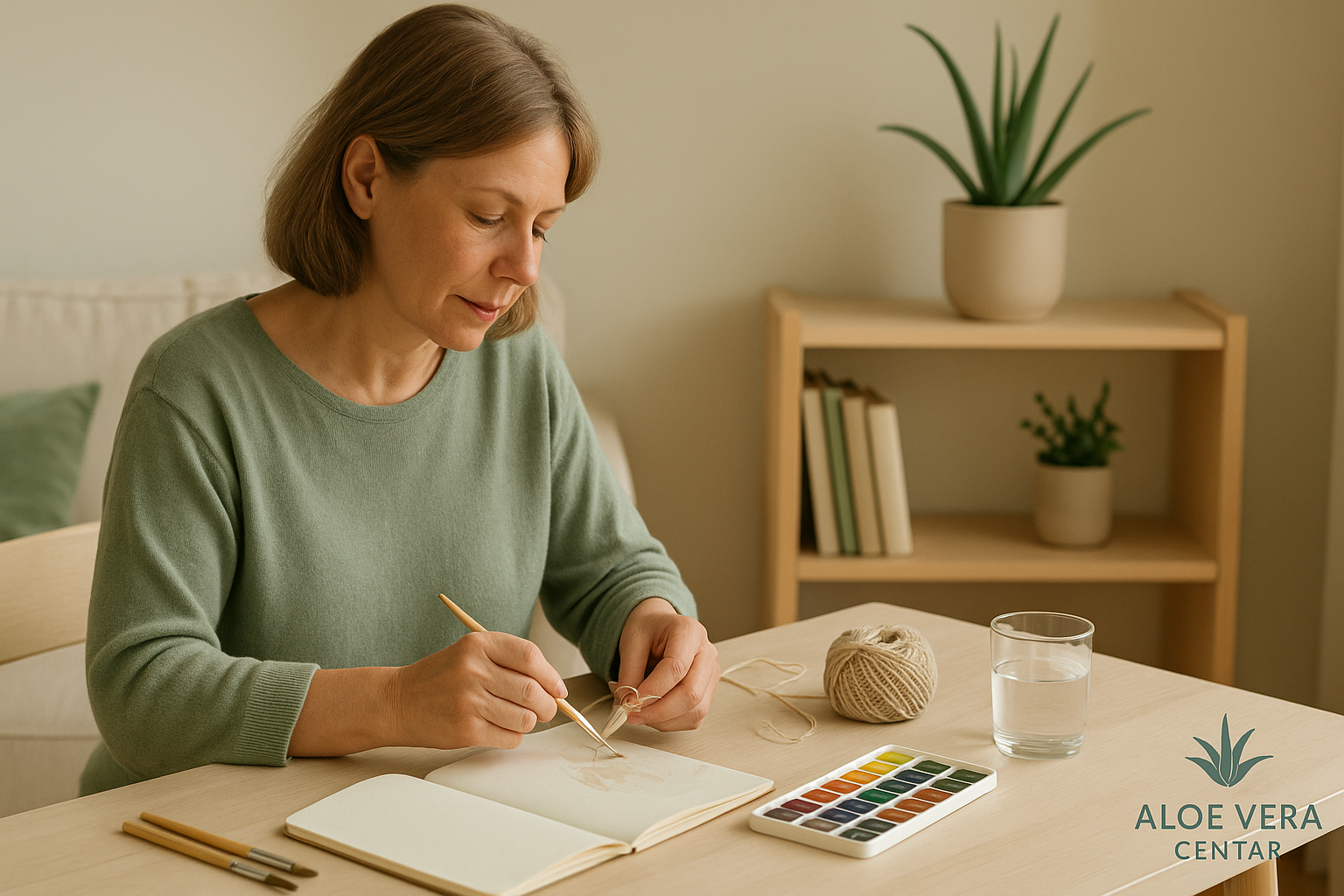
When you draw, write or work with your hands, attention moves from worries to the process. The NHS five steps to mental wellbeing include learning new skills and paying attention to the present moment. A creative activity combines both.
How to start in five steps
- Pick an activity that attracts you: drawing, knitting, music, writing, gardening or puzzles.
- Begin with ten minutes at the same time each day.
- Set your materials out in advance so preparing takes no effort.
- Judge success by whether you sat down and began, not by the result.
- After three weeks, note how you feel and whether to continue or switch hobbies.
A ritual can help a hobby turn into a habit: set up a fixed spot with your materials, silence phone notifications and put a reminder in your calendar. If the hobby has become a duty or a source of pressure, cut it to five minutes or switch activities. You can also enjoy a hobby with others, in a class or a club, which adds social contact.
If tiredness is constant
A hobby is a good habit, but it does not explain constant tiredness. If you feel exhausted for weeks, sleep badly, or struggle with anxiety or low mood, talk to your doctor. Help is available, and you do not have to earn it.
Sources: NHS NHS Every Mind Matters.
Common questions
Which hobby is best for stress?
There is no single best one. Try three activities over a month and keep the one that leaves you feeling more relaxed.
Can a hobby replace professional help?
No. A hobby supports daily life. If symptoms last or get in the way of life, contact a doctor or a mental health professional.