Mental hygiene can mean regularly caring for everyday needs. It does not mean suppressing sadness, clearing toxins from the mind or an obligation to feel good all the time.
Five adaptable steps
- Check how you feel. Write down a feeling and one need, such as rest or help with a task.
- Limit one source of interruptions. Set a time for news or silence unnecessary notifications.
- Plan a brief pause and movement that suits you. Not every break must be productive.
- Contact someone you trust. Say clearly whether you want listening, company or practical help.
- Prepare a simple evening routine and a realistic schedule for tomorrow, allowing sleep and meals.
Diet has a separate role
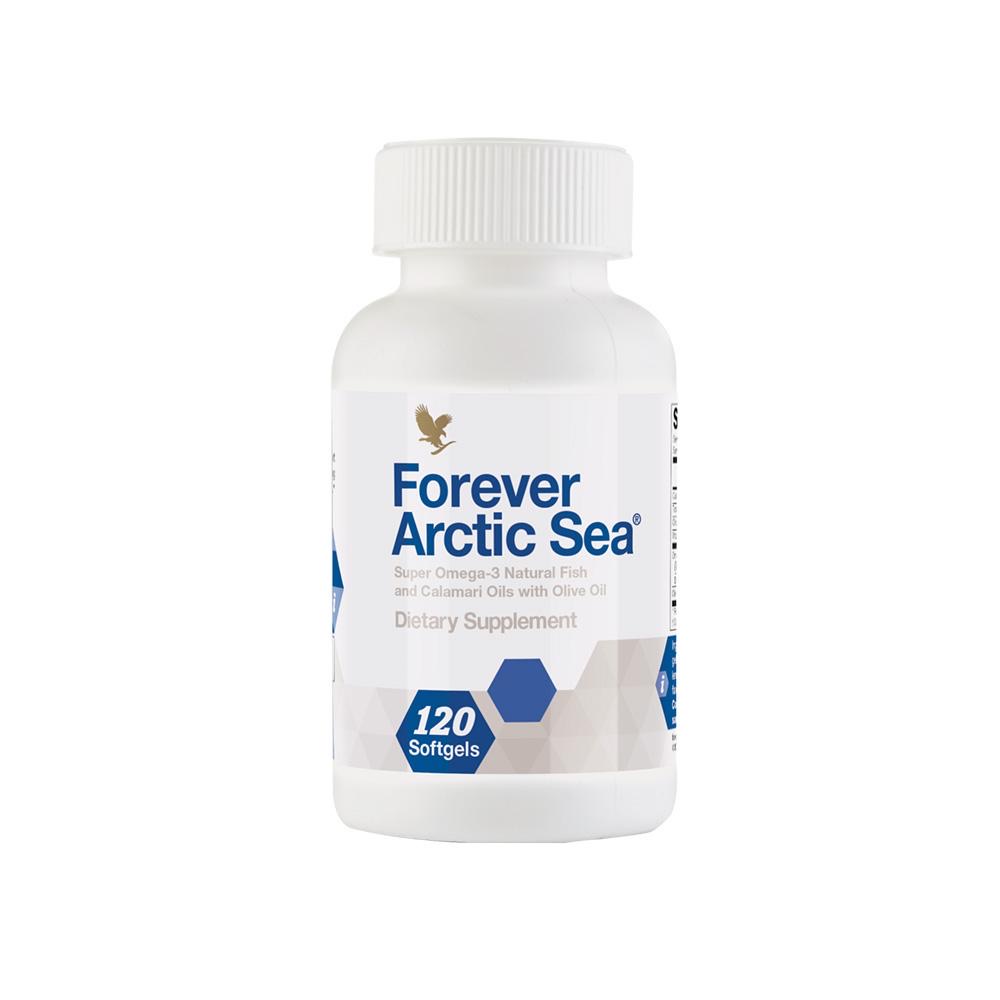
If you are reviewing diet alongside these habits, first consider what you regularly eat. You can compare Forever Arctic Sea as a marine oil supplement when there is a reason to add EPA and DHA. Capsules are a convenient format for tracking amounts from the local label. This is not a product for mental hygiene, anxiety treatment, mood changes or improved focus. Check ingredients, allergens and medicines before choosing.
Start with just one habit and assess after a few days whether it suits you. If an exercise increases discomfort, adapt or stop it. Persistent anxiety, low mood, insomnia or difficulty functioning in everyday life calls for professional support while continuing prescribed treatment.
Sources: APA NHS NIH ODS Forever Living.
Common questions
Must I meditate?
No. Choose another form of rest or support that suits you.
Do these habits replace therapy?
No. Seek professional support for persistent or severe difficulties and do not stop treatment.
Before first use
Choose products for your dietary routine and care needs. Follow a healthcare professional’s advice for diagnosis and treatment of symptoms. Check suitability first during pregnancy and for use by children.